


If you have ever looked at a pile of old computer hardware and wondered if there is a hidden fortune inside, you are not alone. Many people hear rumors about how much gold is in a computer motherboard, but the reality is often less like a treasure hunt and more like a lesson in industrial engineering.
Manufacturers use gold specifically for its excellent conductivity and resistance to corrosion, making it a staple in the high-stakes world of electronic components. While these boards do contain precious metals, understanding the actual yield requires looking past the hype to see the physics and economics of modern recycling.
Motherboards serve as the central nervous system of any machine, housing the CPU, RAM, and various expansion slots. To ensure these components communicate without interference, engineers rely on gold plating for the pins and contact points.
Because gold does not oxidize, it provides a stable connection that can last for years, even in humid environments. However, the thickness of this plating is measured in micrometers, meaning the total weight of the precious metal is surprisingly low compared to the bulk of the board.
Why Gold Is Used in Modern Electronics
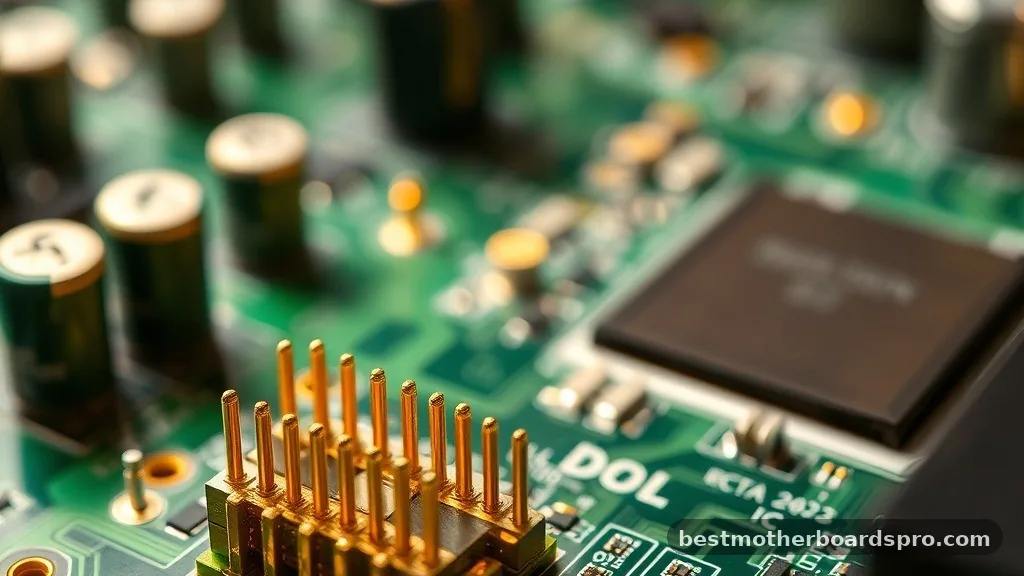
Gold is the gold standard in electronics because it is incredibly reliable. While copper is a better conductor, it corrodes easily when exposed to air.
Gold, on the other hand, remains inert, ensuring that the signals traveling between your processor and your memory modules remain clean and uninterrupted. This reliability is vital for the longevity of high-performance hardware.
You will find this gold plating primarily on the contact fingers of expansion cards, the pins inside CPU sockets, and the various connectors that link peripheral devices. Because these areas are subject to wear and tear during assembly or upgrades, the gold layer acts as both a conductive pathway and a protective shield. Even though the amount of gold in a single motherboard is small, the sheer volume of computers produced globally creates a significant stockpile of precious metals that could potentially be reclaimed.
Estimating the Gold Content
When asking how much gold is in a computer motherboard, it is essential to distinguish between a standard consumer board and the high-density server boards used in data centers. A typical desktop motherboard might yield anywhere from 0.05 to 0.2 grams of gold, depending on its age and complexity. Older boards from the 1990s or early 2000s often contain significantly more gold than modern ones, as manufacturers have become much more efficient at using the bare minimum required to maintain a solid connection.
The following table provides a rough comparison of gold yields across different types of electronic waste to give you a better sense of scale.
| Component Type | Estimated Gold Yield per Unit |
|---|---|
| Desktop Motherboard | 0.05g – 0.2g |
| Server Motherboard | 0.5g – 1.5g |
| RAM Sticks (per stick) | 0.01g – 0.03g |
| CPU (High-end) | 0.1g – 0.5g |
The Reality of Recovering Gold
The process of recovering gold from electronic waste is not a simple DIY project you can handle on a kitchen counter. Professional refining involves complex chemical processes, including the use of strong acids like aqua regia to dissolve the metals before they are separated and purified. Because of the toxic chemicals involved, this is strictly an industrial operation.
For the average person, the cost of the reagents and the safety equipment needed to handle hazardous waste far outweighs the value of the tiny amount of gold you might extract. Most professional recycling centers don’t just target the gold; they process the entire board to recover copper, silver, palladium, and even base plastics. By handling thousands of boards at once, these facilities turn a microscopic amount of gold into a profitable enterprise through economies of scale.
- Safety: Amateur extraction involves dangerous acids that release toxic fumes.
- Equipment: Proper refining requires ventilation systems and specialized chemical handling.
- Environmental Impact: Improper disposal of waste chemicals can cause significant ecological damage.
- Economic Viability: The value of the gold in one board is often less than the cost of the chemicals needed to extract it.
Addressing Common Myths and Misconceptions

Many people believe that old motherboards are essentially gold bars waiting to be melted down. This myth persists because of the striking visual appearance of gold-plated connectors, which look more substantial than they actually are. In reality, the gold is deposited through an electroplating process, creating a layer so thin it is barely detectable by weight.
Another misconception is that all motherboards are created equal. You will find that high-end server boards often have more gold because they are designed for extreme durability and 24/7 operation.
Conversely, budget-tier consumer boards use thinner plating and fewer pins, leading to a much lower gold yield. When you look at the total weight of a board, the gold accounts for a tiny fraction of a percentage, with the rest being fiberglass, resin, copper, and aluminum.
The Future of Precious Metal Recovery
As technology moves forward, the trend is toward “dematerialization.” Engineers are constantly finding ways to use less gold while maintaining the same level of performance. This makes the recycling of old hardware even more important, as we are essentially mining the past to feed the needs of the future.
Advancements in bio-leaching and greener chemical processes are beginning to change how we look at electronic recycling. Instead of relying on harsh, environmentally damaging acids, researchers are developing methods that use bacteria or mild organic solvents to pull gold from circuit boards. While these methods are still largely in the experimental or small-scale phase, they represent a shift toward a more sustainable way of managing our digital footprint.
Frequently Asked Questions
Is it worth extracting gold from circuit boards at home?
Generally, no. The amount of gold in a single motherboard is far too small to justify the cost of the chemicals, safety gear, and time required. Furthermore, the chemical processes involved produce hazardous waste that is difficult and expensive to dispose of safely without professional equipment.
Which PC part contains the most gold?
CPUs and high-end server motherboards typically contain the most gold by weight. The pins on the underside of a processor are often heavily gold-plated to ensure a stable connection to the socket, and server boards feature more robust connectors to handle constant data traffic and thermal stress.
How many motherboards do you need to get an ounce of gold?
Depending on the age and quality of the boards, you would likely need between 150 and 300 desktop motherboards to recover one troy ounce of gold. This estimate assumes a very efficient refining process that captures almost all of the available gold from the connectors and pins.
Does RAM contain significant amounts of gold?
Individual RAM sticks contain very little gold, usually limited to the contact fingers that plug into the motherboard. While they are worth collecting for large-scale recycling, a single stick provides a negligible amount of gold that would not be profitable to extract on its own.
Taking Action with Electronic Waste
Understanding how much gold is in a computer motherboard helps ground expectations in reality. While there is certainly precious metal to be found, it is spread thin across millions of devices, and the magic happens at the industrial level rather than in the home garage.
If you have a collection of old electronics, the best approach is to find a certified e-waste recycler. These facilities ensure that the materials are handled safely and that the gold, copper, and other metals are returned to the supply chain efficiently.
By choosing responsible recycling, you contribute to a circular economy that reduces the need for destructive new mining operations. Whether you are clearing out a closet or managing an office upgrade, keeping these boards out of landfills is the most practical and environmentally sound path forward. If you have a large stockpile, consider reaching out to a local refiner who can offer a fair market price for your scrap, turning your old hardware into a modest return while doing the right thing for the planet.
