
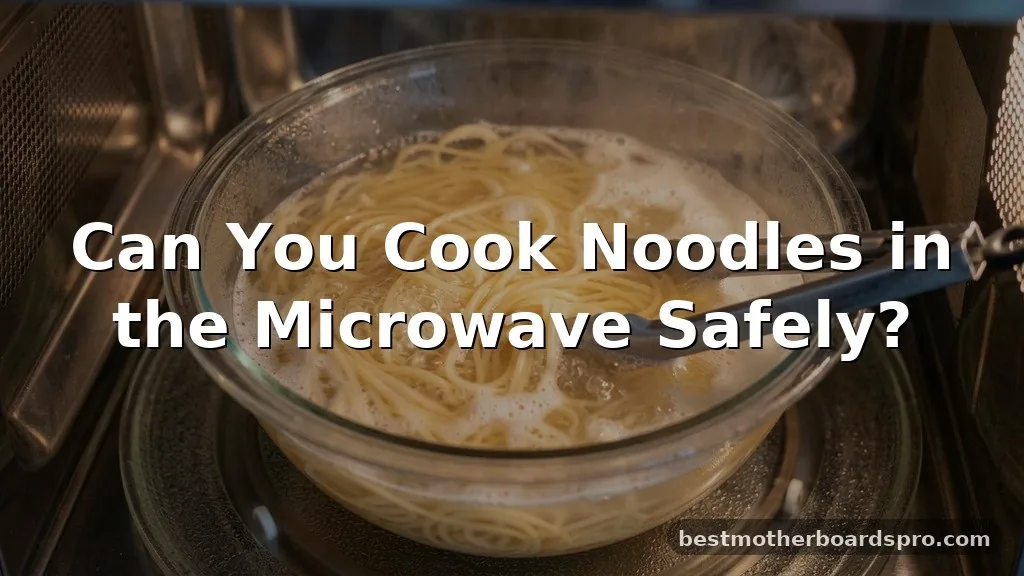
Finding out that you can cook noodles in the microwave is often a revelation for busy students, office workers, or anyone looking to save time in the kitchen. While traditional stovetop methods remain the gold standard for achieving the perfect al dente texture, modern kitchen appliances are surprisingly capable of handling this task. Mastering the technique requires understanding how microwave energy interacts with starch and water.
With the right bowl, a bit of patience, and a few adjustments to your cooking time, you can produce a satisfying meal without ever touching a burner. This guide covers how to achieve consistent results, ensuring your pasta is cooked through, flavorful, and ready to enjoy in minutes.
Understanding Microwave Pasta Dynamics
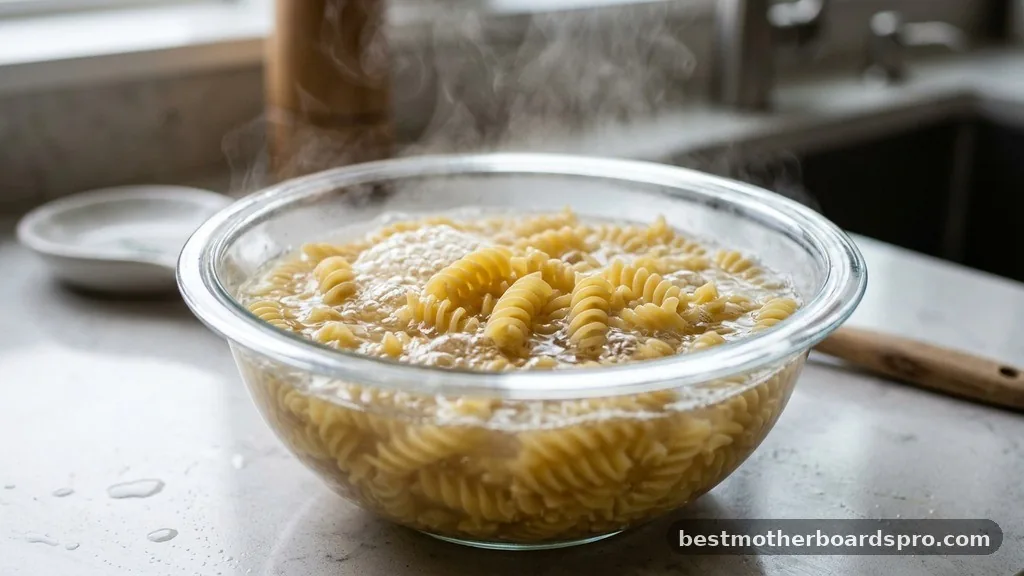
The primary mechanism behind microwave cooking is the agitation of water molecules within the food. When you decide to cook pasta in the microwave, you are essentially boiling the water directly inside your container.
Unlike a stovetop pot, where heat is applied to the bottom and circulates, a microwave sends waves through the entire dish. This means the water reaches a rolling boil much faster, but it also creates a risk of boilovers if the vessel is too small.
Choosing the right bowl is critical. A standard ceramic or glass bowl that is microwave-safe is essential.
Because the water needs to stay at a high temperature for several minutes, you must ensure the container has enough depth to hold the noodles and plenty of water without splashing over the sides. Always leave at least two inches of clearance at the top of your dish to account for the bubbling action that happens once the water reaches its boiling point.
Essential Steps for Microwave Success
To get the best results, you need to follow a consistent process that mimics the stovetop boiling method. First, place your noodles in the bowl and cover them with enough water to submerge them completely. If you are using long pasta like spaghetti, you might need to break the noodles in half so they fit comfortably.
Once the pasta is submerged, add a pinch of salt to the water. This helps with flavor absorption. Place the bowl in the microwave and cook on high power.
The time required varies depending on the type of noodle and the wattage of your appliance. Always check the texture frequently, as microwave cooking can sometimes lead to uneven results if the water circulation is poor.
| Noodle Type | Estimated Cooking Time | Water Level Requirement |
|---|---|---|
| Instant Ramen | 2-3 Minutes | Just enough to cover |
| Penne or Fusilli | 8-10 Minutes | 1 inch above pasta |
| Spaghetti | 10-12 Minutes | Generous coverage |
Techniques for Perfect Texture
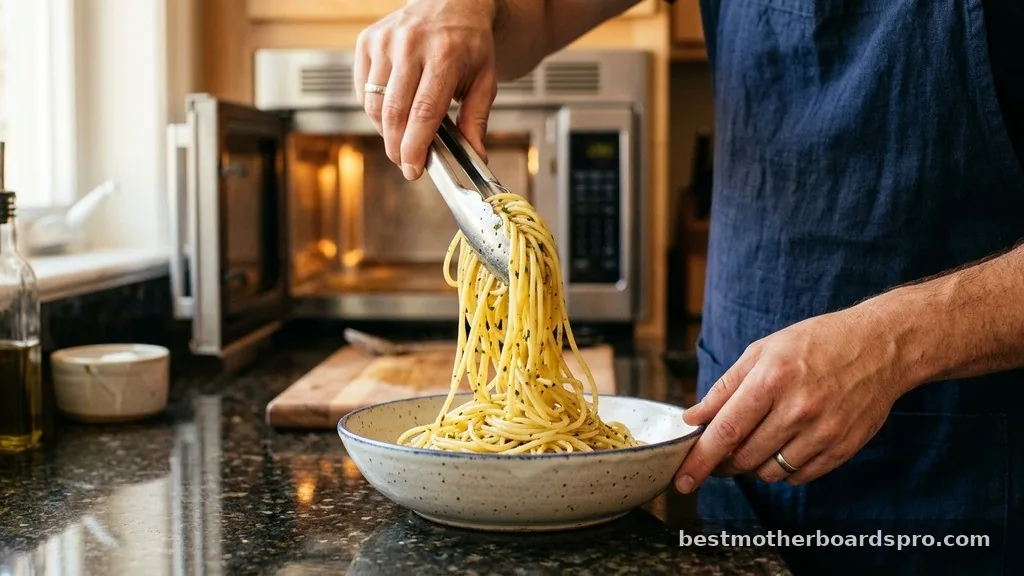
Achieving that ideal, non-mushy texture is the biggest challenge when you use a microwave. The starch released during the cooking process can make the water thick and gummy, which eventually coats the noodles in a way that isn’t always pleasant.
To prevent this, stir the pasta halfway through the cooking cycle. This simple action redistributes the heat and prevents the noodles from sticking together or clumping at the bottom of the bowl.
If you find that your pasta is still a bit too firm after the recommended time, add a splash of hot water and microwave it in 30-second bursts. It is much easier to add more time than it is to fix overcooked, mushy noodles. Once the pasta is cooked to your liking, drain the excess water carefully using a colander or by holding a lid over the bowl.
Addressing Common Topical Gaps
Many people wonder if they can add sauce directly into the bowl while the noodles are cooking. While it is possible to cook noodles in the microwave with sauce, it is generally not recommended for beginners.
Pasta sauce often contains sugar and thickeners that can burn or caramelize too quickly under high heat, leading to scorched spots on your dish. It is better to cook the noodles in plain water first, drain them, and then stir in your favorite sauce.
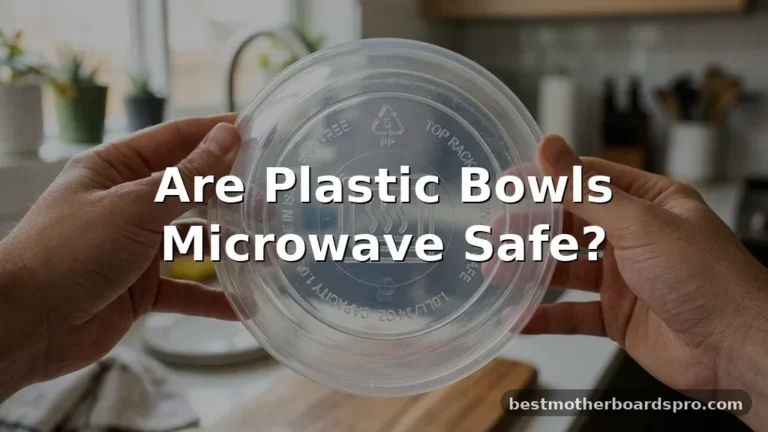
Another common concern involves using plastic bowls. While many plastics are labeled as microwave-safe, they can degrade over time, especially when exposed to boiling water for extended periods.
Glass or ceramic is the safest choice for long-term use. Furthermore, if you are cooking fresh pasta rather than dry, reduce your cooking time by at least half, as fresh varieties are much more delicate and prone to turning into a paste if overcooked.
- Use a deep, microwave-safe bowl to prevent messy overflows.
- Always add salt to the water to enhance the flavor of the pasta.
- Stir the noodles every few minutes to ensure even heat distribution.
- Test for doneness early to avoid the dreaded mushy texture.
- Drain the water carefully, as the bowl will be extremely hot.
- Add your sauce after the pasta is fully cooked and drained.
Safety and Practical Tips
Safety is paramount when using high heat in a microwave. Always use oven mitts or a towel when removing the bowl, as the glass or ceramic will retain heat long after the cycle ends.
Be cautious of steam when removing the cover, as it can cause painful burns. If you are cooking for a large group, it is actually more efficient to use a traditional stove, as microwaves are best suited for single-serving portions.
If you notice the water turning cloudy or foamy, this is perfectly normal. It is just the starch being released from the wheat.
However, if you see the water bubbling over the sides, stop the microwave immediately and let it settle for a moment. You may need to remove a small amount of liquid or switch to a larger container.
FAQ Section
Is it safe to cook noodles in the microwave?
Yes, it is perfectly safe as long as you use microwave-safe containers like glass or ceramic. Avoid using metal or non-microwave-safe plastics, which can melt or spark. Always handle the hot bowl with caution after the cooking cycle is complete to prevent steam burns from the boiling water.
Do I need to cover the bowl while cooking?
Covering the bowl is optional but highly recommended. It helps trap the steam and heat, which allows the water to reach a boil much faster. If you use a lid, ensure it is slightly vented to allow pressure to escape, preventing the bowl from potentially cracking or splashing.
How do I prevent the pasta from becoming mushy?
To avoid mushy pasta, strictly monitor the cooking time and stir the noodles frequently. Since microwaves vary in power, start checking the texture a minute before the recommended time ends. Drain the water immediately once the noodles reach your desired level of firmness to stop the cooking process.
Can I cook different types of pasta together?
It is best to cook one type of pasta at a time. Different shapes and thicknesses require different cooking times; if you mix them, one type will likely be overcooked and mushy while the other remains raw. Stick to one variety per batch for the most consistent and enjoyable result.
Final Thoughts on Microwave Cooking
Learning the nuances of how you can cook noodles in the microwave opens up a world of convenience for quick meals. While it might take a few tries to dial in the perfect timing for your specific appliance, the process is straightforward and effective. By selecting the right bowl, stirring occasionally, and keeping a close watch on the texture, you can achieve a delicious bowl of pasta without the need for a stove.
Whether you are prepping a fast lunch or a simple dinner, this method is a reliable tool in your culinary arsenal. Experiment with different sauces and toppings to make your microwave-cooked dishes truly your own, and enjoy the simplicity of this modern kitchen hack.