

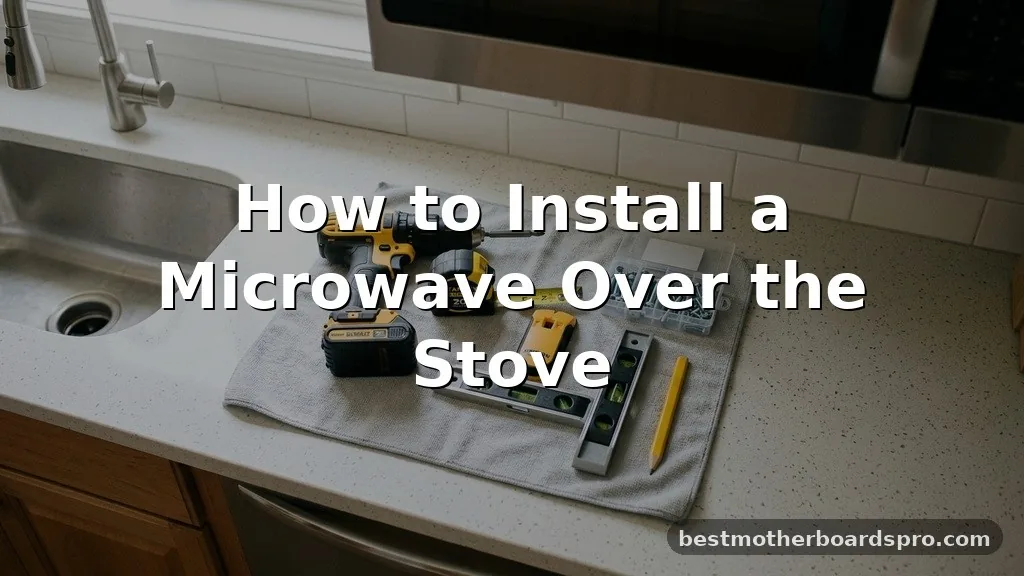
Installing a microwave over the stove is a rewarding weekend project that instantly modernizes your kitchen while freeing up valuable counter space. While the process might seem intimidating at first, it primarily involves precise measurements, finding secure anchor points, and managing the electrical connection safely.
Whether you are replacing an existing unit or upgrading from a standard range hood, having the right tools and a clear understanding of the mounting process makes the task manageable for most homeowners. By following the correct sequence—from securing the mounting plate to aligning the cabinet bolts—you can ensure your new appliance is level, stable, and ready for daily use.
Preparation and Essential Tools
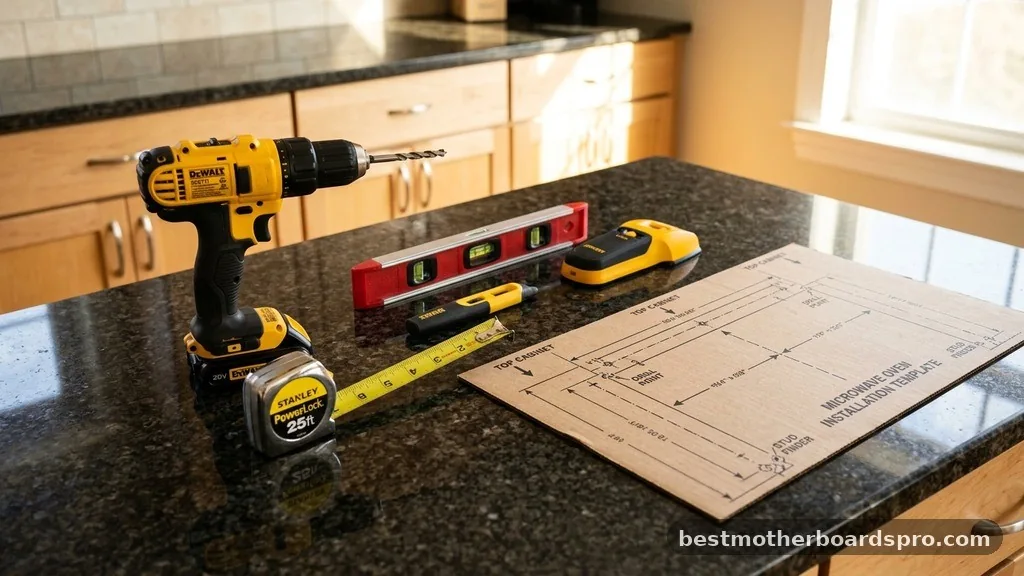
Before you begin, gather everything you need to avoid mid-project trips to the hardware store. A successful installation relies on preparation and ensuring your wall structure can support the weight of the unit. You will need a reliable stud finder to locate the vertical supports behind your drywall, as these provide the necessary strength for the mounting plate.
You should also have a quality cordless drill, a variety of drill bits, and a level to ensure the unit sits perfectly horizontal. Safety is non-negotiable, so keep a pair of safety goggles nearby, especially when drilling into overhead surfaces where debris can fall into your eyes.
| Tool | Primary Purpose |
|---|---|
| Stud Finder | Locating wood framing for secure mounting |
| Level | Ensuring the microwave is perfectly horizontal |
| Power Drill | Driving mounting bolts and drilling pilot holes |
| Tape Measure | Verifying cabinet depth and height clearances |
Understanding Ventilation Requirements
Proper kitchen ventilation is critical when operating a microwave above a cooking surface. Most units offer two primary configurations: exterior venting or recirculating mode. If your home already has existing ductwork that leads outside, you should configure your microwave to connect directly to that path to maximize smoke and steam removal.
If you cannot vent to the outside, the microwave will operate in recirculating mode. In this setup, air is pulled through a charcoal filter to trap grease and odors before being pushed back into the kitchen. Ensure you check the manufacturer’s manual to see if you need to adjust the internal blower motor direction, as many units come factory-set for one mode but can be converted to the other.
Step-by-Step Mounting Process
The physical installation begins with the mounting plate. This metal bracket takes the brunt of the appliance’s weight.
You must align it with the wall studs whenever possible. If the studs do not align with the pre-drilled holes on the plate, use high-quality toggle bolts to secure the plate to the drywall.
- Use the cabinet template provided by the manufacturer to mark the exact hole locations on the bottom of your upper cabinets.
- Double-check the cabinet depth to ensure your microwave won’t protrude awkwardly or interfere with your range’s back controls.
- Drill the holes for the cabinet mounting bolts carefully; these bolts keep the top of the microwave from pulling away from the wall.
- Lift the microwave into position with a helper, hooking the back onto the mounting plate first, then swinging the top forward.
Electrical Safety and Final Connections
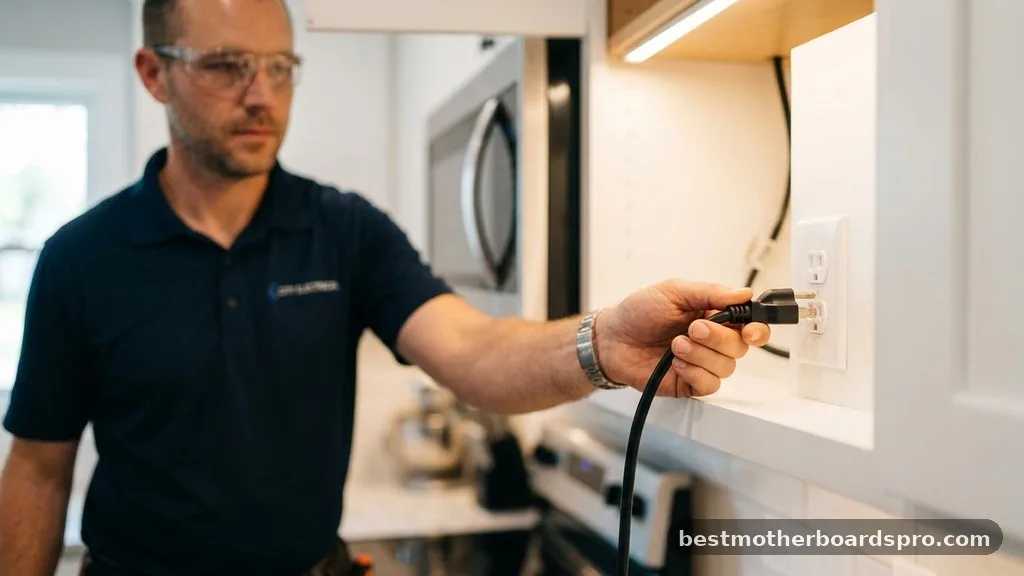
Electrical work requires caution. Most over-the-range microwaves connect to a standard GFCI outlet located inside the upper cabinet. Before you push the unit into its final position, ensure the power cord is routed through the designated hole in the cabinet, avoiding any sharp metal edges that could fray the insulation.
Do not attempt to modify the plug or the cord length, as this can void your warranty and create a fire hazard. If your kitchen lacks an appropriate outlet near the microwave location, consult a licensed electrician. Never try to hardwire the unit unless you are experienced with electrical codes, as improper wiring is a common cause of household electrical failures.
Addressing Topical Gaps
Many people worry about the weight capacity of their cabinets. If your upper cabinets are made of particleboard or are older, consider reinforcing the interior with a plywood backing to distribute the load of the cabinet mounting bolts.
Another common concern is the gap between the stove and the microwave. Most manufacturers specify a minimum clearance, usually around 30 inches, to prevent the heat from the stovetop from damaging the microwave’s underside components.
If you find that your microwave is not sitting level even after following the steps, check the mounting plate again. A slightly crooked plate will translate into a crooked appliance.
Use your level frequently throughout the process, not just at the end. Taking an extra five minutes to adjust the mounting plate before the microwave is hung saves significant frustration later.
FAQ Section
Can I install an over-the-range microwave by myself?
While technically possible, it is highly recommended to have a second person assist you. These units are heavy and awkward to hold while trying to thread bolts through the cabinet. A helper ensures you can safely align the mounting hooks without damaging your backsplash or the stove below.
Do I need a special outlet for the microwave?
Most over-the-range microwaves use a standard 120V household outlet. However, because they draw significant power, it is best if the outlet is on a dedicated circuit to prevent tripping the breaker. Always ensure the outlet is a GFCI type if it is located near a sink or wet area.
Can I install a microwave over any type of stove?
You can install them over most gas or electric ranges, but you must respect the manufacturer’s clearance requirements. If your stovetop is a high-BTU professional gas range, check the microwave’s manual, as excessive heat output can sometimes damage the underside of the microwave or melt the plastic components.
What if my wall studs do not line up with the mounting plate?
If the mounting plate holes do not align with your studs, do not rely on drywall screws. Use heavy-duty toggle bolts designed for drywall mounting. These anchors expand behind the wall, providing the necessary strength to hold the weight of the microwave securely against the surface without pulling out.
Closing Thoughts
Successfully completing the task of installing a microwave over the stove significantly enhances your kitchen’s utility and aesthetic appeal. By methodically checking your wall studs, ensuring the exhaust vent is properly aligned, and verifying that all cabinet mounting bolts are tightened securely, you create a safe and functional cooking environment. Remember that the secret to a professional-looking result lies in the initial measurements and the use of a reliable level throughout the process.
If you encounter any issues with the electrical connection or the structural integrity of your cabinets, do not hesitate to reach out to a professional for guidance. Taking your time during this installation ensures that your new appliance will serve your kitchen reliably for many years to come.
