
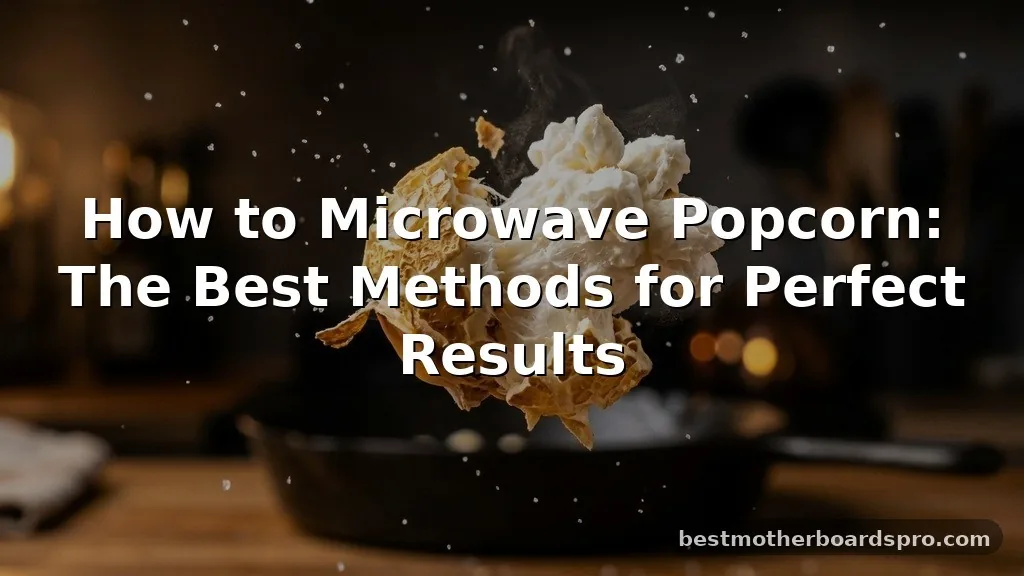
Mastering the art of microwaving popcorn is a simple way to upgrade your movie night snack without relying on pre-packaged bags filled with artificial additives. Whether you are using loose kernels in a dedicated vessel or experimenting with pantry staples, achieving that perfect, fluffy texture requires just a little bit of technique.
Understanding the science of heat distribution and moisture content allows you to turn raw, hard kernels into a light, airy treat in minutes. You will find that taking control of your ingredients—from the type of oil you choose to the seasoning you add—results in a superior snack every single time.
The Science of Popping Kernels
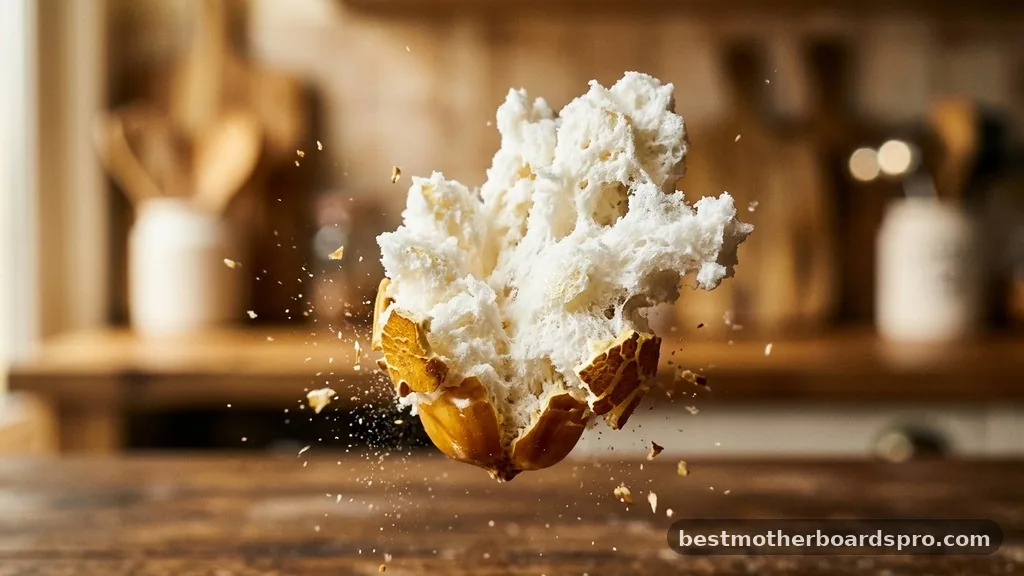
At its core, the process of popping corn is a race against time and thermal energy. Each kernel contains a tiny droplet of water stored inside a circle of soft starch, all encased in a hard outer hull. When you heat these kernels, the water turns into steam, which builds immense pressure inside the hull until it finally ruptures.
The starch expands instantly, creating the white, fluffy structure we recognize as popcorn. If the heat is too low, the moisture escapes slowly, leaving you with a “dud” kernel. If the heat is too high or concentrated, the hulls burn before the starch can fully expand.
Equipment Options for Home Popping
You have several ways to prepare your snack, ranging from specialized hardware to simple household items. Choosing the right tool often depends on how often you plan on enjoying this treat and how much cleanup you are willing to handle.
| Method | Equipment Needed | Pros | Cons |
|---|---|---|---|
| Brown Paper Bag | Paper sack, kernels | Zero cleanup, cheap | Risk of scorching |
| Glass Bowl | Microwave-safe bowl, plate | Reusable, no waste | Bowl gets very hot |
| Silicone Popper | Dedicated silicone bowl | Consistent results | Requires storage space |
Using a Brown Paper Bag
The classic brown paper bag method is widely considered the ultimate hack for those who want to avoid the chemicals found in store-bought microwave popcorn. To start, place about 1/4 to 1/3 cup of high-quality popcorn kernels into a standard lunch-sized brown paper bag.
Fold the top of the bag over twice to create a seal, ensuring there is enough room inside for the corn to expand as it pops. Place the bag in the center of your microwave and set the timer for roughly two to three minutes, though you should always listen closely to the sound of the pops rather than relying solely on the clock.
Microwaving with a Glass Bowl
If you prefer not to use paper, a glass bowl is a fantastic alternative that allows you to see the progress of the popping. Use a large, microwave-safe glass bowl and cover it with a heavy plate or a dedicated microwave-safe silicone lid.
You do not necessarily need oil for this method, but adding a teaspoon of high-smoke point oil—like avocado or coconut oil—can help distribute heat more evenly and provide a base for your seasonings to stick. If you choose to add oil, toss the kernels thoroughly before you cover the bowl and start the heating process.
Timing and the Importance of the Pause
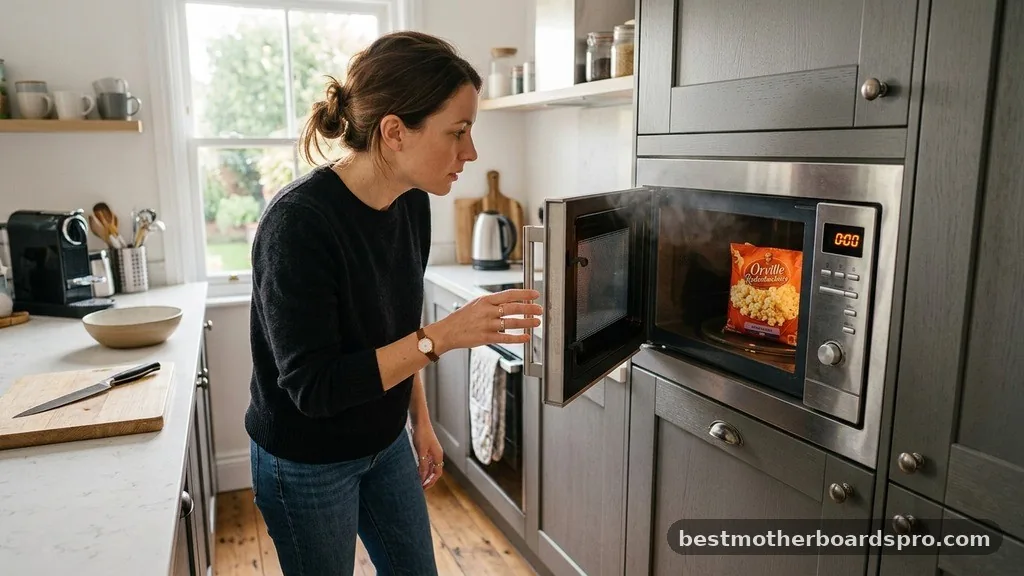
The most critical skill you can develop is knowing exactly when to stop the machine. You should listen for the duration of the seconds between pops. When you hear the interval between individual pops stretch to two or three seconds, it is time to remove the vessel immediately.
Leaving it in for even a few extra seconds significantly increases the risk of burning the bottom layer. Because every microwave has a different power output, your first attempt might require a bit of trial and error to calibrate the timing perfectly.
Flavoring and Seasoning Techniques
Once you have successfully popped your corn, the real fun begins with customization. Since you aren’t using a pre-packaged bag, you have total control over the sodium and fat content.
If you want a movie-theater experience, melt a small amount of butter and drizzle it over the bowl while tossing vigorously. To ensure the salt adheres to the popcorn rather than falling to the bottom of the bowl, grind your salt into a fine powder or use a specialized popcorn salt.
- Nutritional yeast for a savory, cheesy flavor profile.
- Smoked paprika or chili powder for a spicy, bold kick.
- Cinnamon and a touch of brown sugar for a sweet alternative.
- Truffle oil for a sophisticated, earthy aroma.
- Dried herbs like rosemary or thyme for a gourmet twist.
Addressing Common Challenges
Even experienced snackers run into issues, such as unpopped kernels or scorched bits. If you frequently find a large number of “old maids” at the bottom of your bowl, it is often due to the freshness of your corn. Popcorn kernels rely on a specific moisture content to explode; if they are too old or have been stored in a dry environment, they simply won’t pop.
Try storing your kernels in an airtight container to keep them hydrated. If you notice burning, your microwave might be running too hot, or you may be overloading the vessel. Try reducing the amount of kernels slightly to allow for better airflow and heat distribution.
Safety Considerations
Safety is paramount when dealing with high-heat cooking. Always use oven mitts when removing a glass bowl or paper bag from the microwave, as the steam trapped inside can cause significant burns. Be especially careful when opening a paper bag, as the escaping steam is extremely hot.
Additionally, ensure your glass bowl is strictly labeled as microwave-safe to prevent cracking or shattering under rapid temperature changes. Never leave the microwave unattended while the corn is popping, as the transition from perfectly popped to burnt happens in a matter of seconds.
FAQ
How do I make popcorn in the microwave without a bag?
You can use a large, microwave-safe glass bowl with a heavy plate or lid on top. Place the kernels inside, cover securely, and heat on high. Listen for the popping to slow down to two-second intervals, then remove it carefully using oven mitts to avoid steam burns.
Can I microwave popcorn without using any oil?
Yes, you can absolutely pop kernels without oil. The moisture inside the kernel provides enough steam to cause the explosion. However, without oil, salt and other seasonings will not stick well to the pieces, so you may want to add a light spritz of water or butter afterward.
What is the best way to prevent burning?
The secret is to rely on your ears rather than the microwave timer. When the popping slows to two or three seconds between pops, turn off the microwave immediately. Overloading the container also leads to uneven heating, so use fewer kernels to ensure every one has space to pop.
How long should I keep the kernels?
Popcorn kernels stay fresh for six to twelve months if stored in an airtight container in a cool, dry place. If the kernels become too dry, they won’t have enough internal moisture to create steam, resulting in a high percentage of unpopped kernels when you try to use them.
Conclusion
Perfecting the art of microwaving popcorn is a rewarding skill that changes your snacking habits for the better. By moving away from store-bought convenience packs, you gain the freedom to experiment with healthier oils and creative flavor combinations that suit your personal palate. Remember that the key to success lies in listening to the rhythm of the pops and ensuring your kernels are stored properly to maintain their moisture.
With a little practice, you will find it incredibly easy to produce a consistent, delicious result every time you crave a quick, warm snack. Grab your favorite bowl, select your seasonings, and enjoy the satisfaction of making your own perfectly popped corn from scratch.