
Many home cooks wonder if they can safely use paper towels in the microwave when reheating leftovers or steaming vegetables. It is a common kitchen convenience, yet concerns about fire hazards or chemical leaching often cause hesitation. Determining whether paper towels go in the microwave depends largely on the duration of the cycle and the specific composition of the product.
While most standard options are designed to handle moisture and heat, understanding the underlying safety factors ensures you avoid accidental ignition. By following a few simple guidelines, you can use these absorbent sheets effectively without compromising your kitchen safety or the quality of your meal.
Understanding Microwave Compatibility for Paper Products
Most kitchen-grade paper towels are manufactured to be absorbent and durable, which makes them generally compatible with short microwave cycles. The primary concern when placing any paper product in an appliance is the flash point—the temperature at which the material can ignite. Because microwaves heat the water molecules within the food rather than the air itself, the moisture absorbed by the towel acts as a thermal buffer.
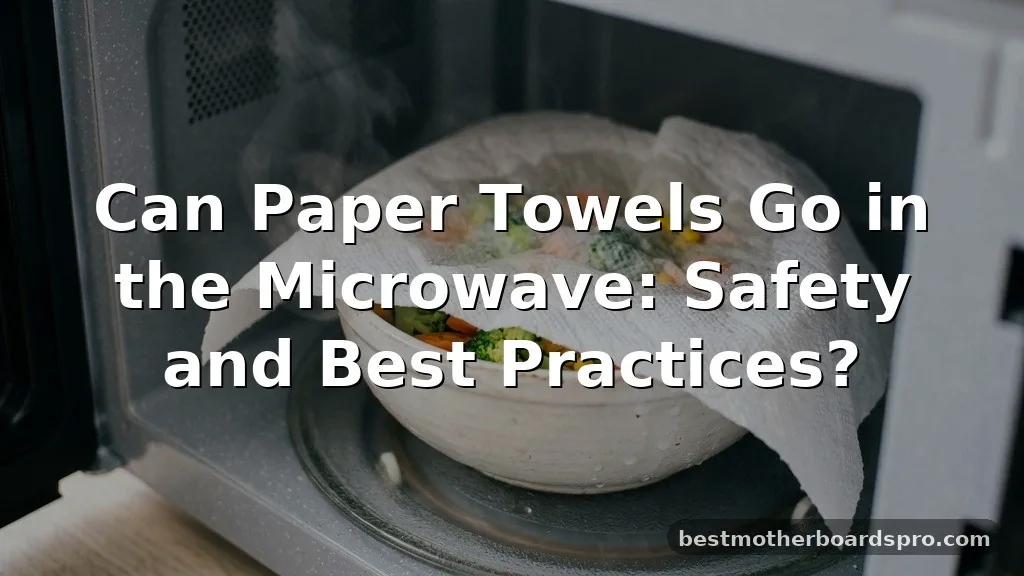
When you use a paper towel to cover a bowl or wrap food, it absorbs steam and prevents splatters. As long as the towel remains slightly damp or the heating duration is brief, the risk of combustion remains extremely low. However, you should avoid using paper towels that contain decorative inks, synthetic fibers, or metallic flecks, as these can spark or release toxic fumes under high heat.
The Role of Moisture in Microwave Safety
The relationship between moisture and heat is the most critical factor in determining if your kitchen supplies are safe for high-heat environments. Dry paper is highly flammable, but when it is saturated with water or oil from food, its ability to withstand heat increases significantly.
Why Dampness Matters
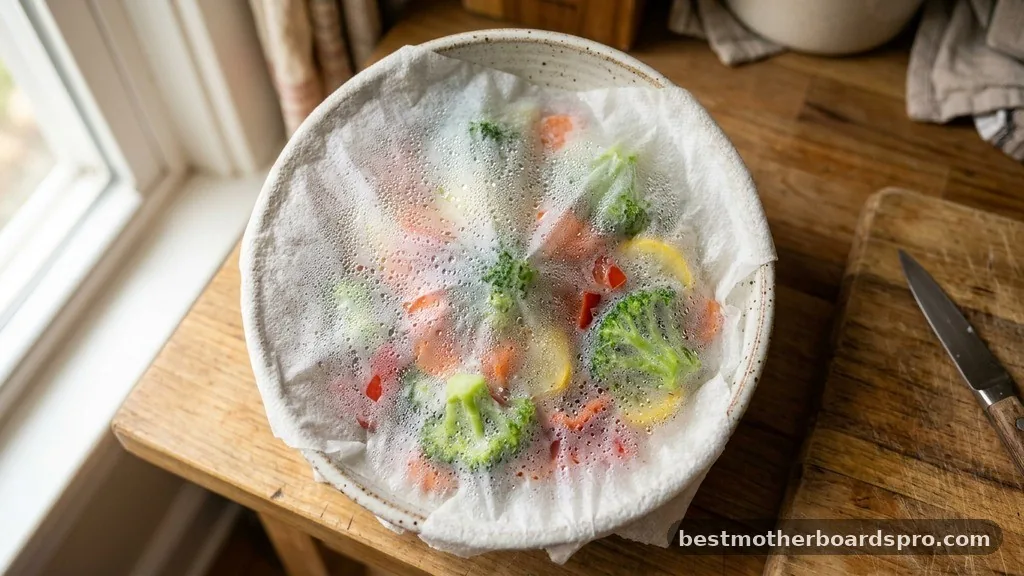
When you place a paper towel over a dish, it captures rising steam. This moisture keeps the paper cool enough that it does not reach its ignition temperature. If you are heating something very dry—such as a piece of bread or a dry pastry—the paper towel might dry out quickly, losing its protective buffer. To maintain safety, always ensure the paper is not sitting directly against a heating element or dry surface for an extended period.
| Condition | Safety Level | Recommended Action |
|---|---|---|
| Damp towel over food | High | Excellent for steaming |
| Dry towel over food | Moderate | Use for short intervals only |
| Towel with metallic print | None | Never use in microwave |
| Towel touching heating coils | None | Avoid contact with heat sources |
Differentiating Between Paper Types
Not all paper products are created equal. While standard white paper towels are typically processed to be food-safe, other types of paper found in your home may pose different risks.
Brown Paper and Recycled Materials
You might be tempted to use brown paper bags or recycled paper towels for reheating. While these are often compostable, they are not always processed to be microwave-safe. Recycled products may contain trace impurities or adhesives that could react poorly to heat. Furthermore, brown paper bags are often treated with chemicals that are not intended for food contact at high temperatures. It is safer to stick with standard, white, unprinted paper towels designed specifically for kitchen use.
- Use only plain, white paper towels without patterns or dyes.
- Avoid using paper napkins, which are often thinner and ignite more easily.
- Check for a “microwave-safe” label on the packaging if you are unsure.
- Never use paper towels that have been treated with scented oils or lotions.
Common Risks and How to Prevent Fire
The fear of fire is the primary reason people hesitate to use paper products in their appliances. While rare, fires can occur if the user ignores basic operating procedures. The most common cause of ignition is leaving a dry paper towel in the microwave for an excessive amount of time, causing it to dehydrate and char.
Duration and Power Settings
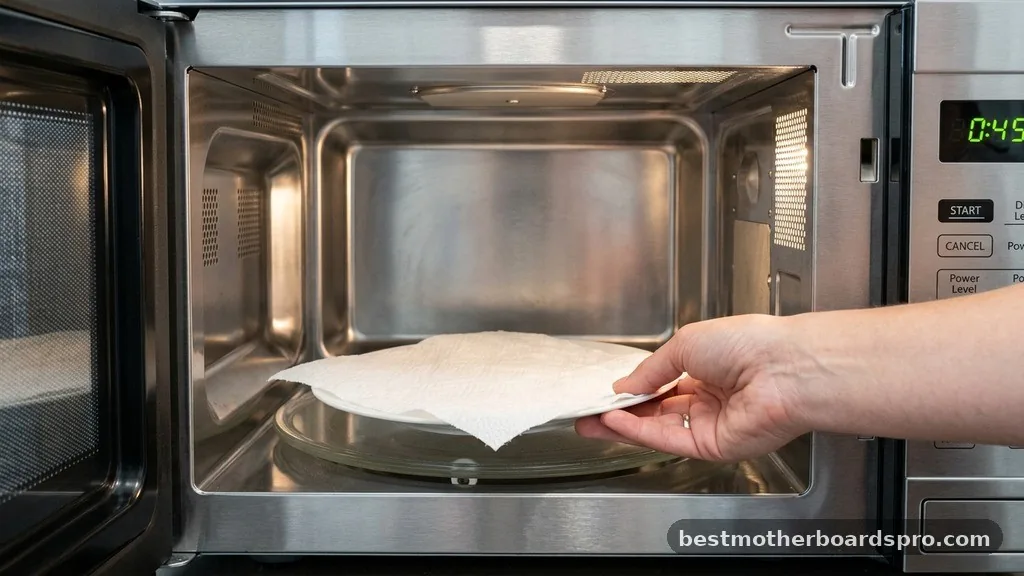
For most reheating tasks, 30 to 60 seconds is perfectly fine. If you need to heat something for several minutes, check the paper towel periodically. If it begins to curl or brown, stop the microwave immediately. It is also important to ensure the towel is not touching the sides of the microwave, as localized hot spots on the interior walls can cause the paper to scorch even if the air inside is not hot enough to cause a fire.
Addressing Misconceptions
There is a persistent myth that all paper products are inherently dangerous in a microwave. This stems from a misunderstanding of how the appliance works. Microwaves do not heat the paper directly; they heat the food, and the heat is transferred to the paper through contact and steam.
Many users worry about chemicals leaching into their food. While high-quality paper towels are generally safe, you should avoid “heavy-duty” or “shop” towels.
These often contain synthetic resins or binders meant to increase wet strength, which are not intended for contact with food. Stick to standard household brands to minimize exposure to non-food-grade chemicals.
Alternatives for Reheating
If you are uncomfortable with the idea of using paper products, there are several effective alternatives that provide similar benefits without the risk of combustion.
Glass and Silicone Covers
Glass plates or dedicated microwave-safe silicone lids are excellent for preventing splatters. Unlike paper, these materials do not absorb moisture or fats, making them easier to clean and reuse. If you are looking to steam vegetables, a glass bowl with a small amount of water covered by a microwave-safe plate is a superior method to using a paper towel.
The Role of Wax Paper
Wax paper is another viable option that is generally more heat-resistant than standard paper towels. Because it is coated in a thin layer of food-safe wax, it does not absorb moisture as aggressively as a towel, making it ideal for covering dishes that you do not want to become soggy.
FAQ Section
Is it safe to put a paper towel in the microwave for short intervals?
Yes, it is generally safe to use a standard white paper towel for short bursts of 30 to 60 seconds. The moisture from the food acts as a buffer, preventing the paper from drying out and reaching its ignition point, provided it does not contain metallic inks or dyes.
What materials should never be put in the microwave?
You should never place metal, aluminum foil, or any containers with metallic trim in the microwave, as these can cause arcing and fire. Additionally, avoid using thin plastic bags, Styrofoam, or non-microwave-safe containers, as these can melt or release harmful chemicals into your food during the heating process.
Why do paper towels sometimes burn in the microwave?
Paper towels burn when they become too dry and are exposed to high heat for too long. If the moisture is completely evaporated from the paper, it becomes susceptible to ignition. Always ensure the paper is damp or the heating time is short to prevent scorching or fire.
What can I use instead of paper towels for reheating?
If you prefer not to use paper, a glass saucer or a dedicated microwave-safe silicone lid is the best alternative. These options are reusable, easy to clean, and effectively contain splatters without the risk of absorbing food particles or posing a fire hazard during longer heating cycles.
Final Thoughts on Microwave Safety
Using paper towels to cover or wrap food is a convenient kitchen hack that remains safe when practiced with caution. By selecting plain, white towels and keeping your heating intervals short, you can effectively prevent messes without worrying about fire hazards. Always prioritize safety by checking the moisture content of the towel and avoiding any products with decorative prints or synthetic additives.
While alternatives like glass or silicone covers are excellent for long-term use, a quick paper towel is often the most practical solution for daily reheating. By staying mindful of these simple guidelines, you can keep your kitchen routine efficient and hazard-free.