
Deciding whether you can microwave Rubbermaid containers often feels like a guessing game when you’re staring at a leftover meal. While many of us assume every plastic box is built for high heat, the reality is that material science plays a massive role in whether your container will warp, melt, or leach chemicals.
Rubbermaid produces a wide variety of storage solutions, from thin, disposable-style tubs to thick, glass-like premium sets, and each has a specific thermal limit. Understanding which ones belong in your microwave and which should stay on the counter is essential for both your food safety and the longevity of your kitchen storage gear.
Identifying Microwave-Safe Plastic
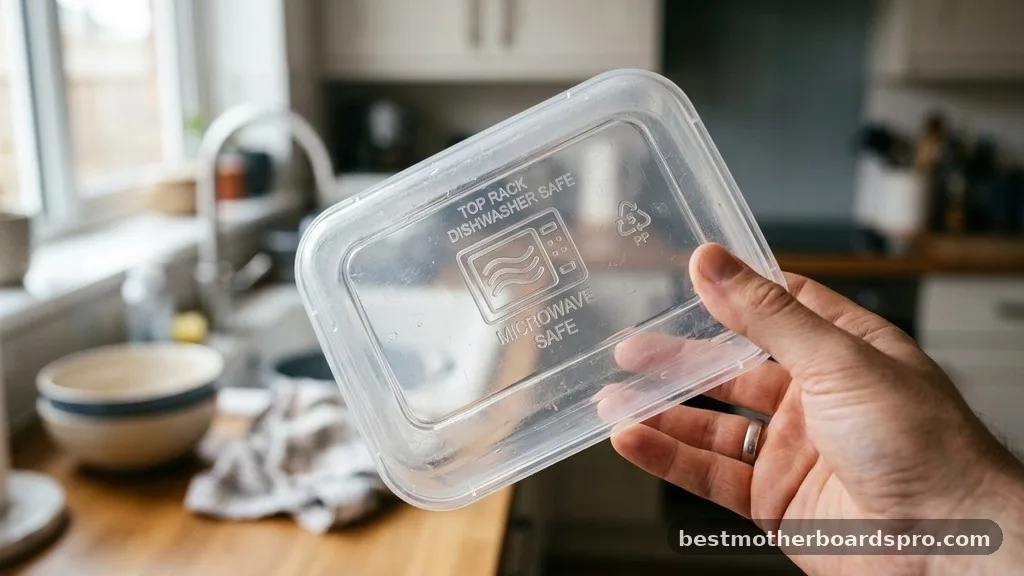
Most people assume that if a container holds food, it’s safe for every appliance in the kitchen. However, plastic is a broad category, and manufacturers use different polymers for different purposes.
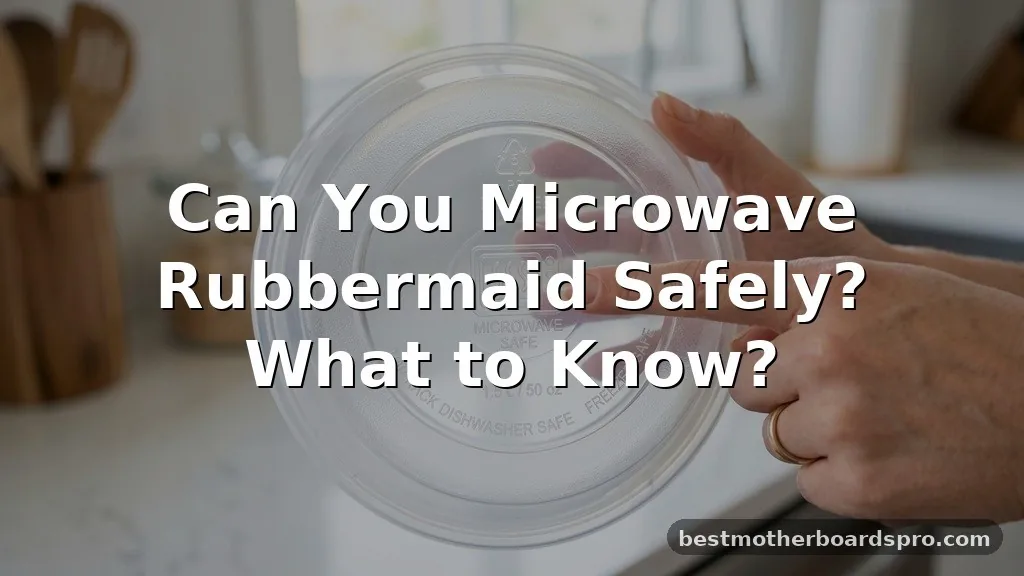
Rubbermaid marks its microwave-safe products with specific iconography, usually found on the bottom of the container or the lid. If you are wondering if you can microwave Rubbermaid, the first step is to flip the container over and look for a symbol that features a wavy line or a square with a microwave icon inside.
If the container lacks this symbol, it is safer to transfer your food to a ceramic or glass bowl before heating. Many older containers or specific lightweight lines are designed only for pantry storage or refrigeration.
Using these in the microwave can lead to structural failure, where the plastic softens or loses its shape entirely. Always check the base for clear markings to ensure the material is rated to withstand the rapid temperature fluctuations that occur during a standard heating cycle.
The Difference Between Material Lines
Rubbermaid offers distinct product lines, and their heat tolerance varies significantly across the board. The Brilliance line, for instance, is made from Tritan plastic, which is highly resistant to staining, odors, and heat.
Conversely, the TakeAlongs line is intended for portability and short-term storage rather than heavy-duty microwave use. If you are unsure about the specific product you have in your hand, it is always better to err on the side of caution.
Comparing Rubbermaid Product Lines
| Product Line | Microwave Suitability | Best Use Case |
|---|---|---|
| Rubbermaid Brilliance | Highly Safe | Reheating and long-term storage |
| Rubbermaid TakeAlongs | Limited Use | Storing snacks and transport |
| Rubbermaid EasyFindLids | Generally Safe | Everyday meal prep |
Risks of Heating Plastic
When you push a container past its thermal limit, you aren’t just risking a melted mess in your appliance. High temperatures can cause plastic to degrade, potentially leading to the migration of additives into your food.
While modern consumer products are strictly regulated, heating plastic with high fat or sugar content can create localized hot spots that exceed the melting point of the material. This is why you will often see small pits or white spots on the inside of older containers that have been used for greasy foods like pasta sauce or chili.
To maintain the safety of your kitchenware, avoid running the microwave for long periods. Instead of doing one five-minute blast, try heating your food in shorter intervals, such as one minute at a time, while stirring in between. This helps distribute heat evenly and prevents the container from absorbing excessive thermal energy, which helps keep your food storage products in top shape for years to come.
Best Practices for Microwave Reheating
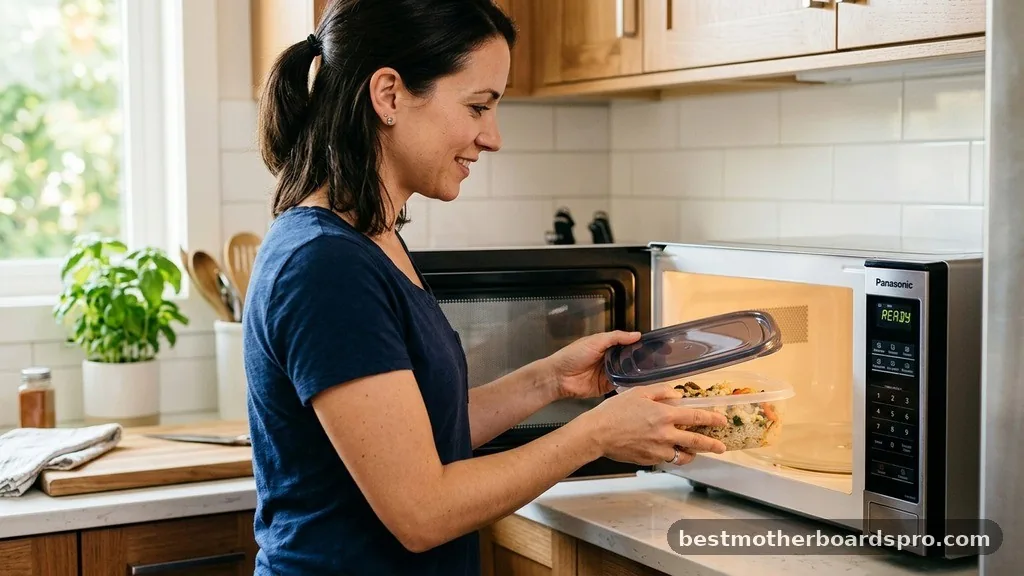
If you have confirmed your container is safe, there are still a few habits that will help you get the most out of your gear. First, never seal the lid tightly while heating.
Steam buildup creates internal pressure that can warp the plastic or cause the lid to pop off violently. Place the lid loosely on top or use a paper towel to cover the opening, which also prevents messy splatters.
- Always look for the microwave-safe icon on the bottom of the container.
- Avoid heating high-fat or high-sugar foods for extended periods in plastic.
- Remove or vent the lid to allow steam to escape during the heating process.
- Inspect containers for cracks, deep scratches, or signs of melting before use.
- Switch to glass containers if you frequently reheat food until it is boiling.
Addressing Common Misconceptions
Many consumers worry about the presence of BPA in their plastic storage. Rubbermaid has shifted its manufacturing processes over the years to ensure that its current, widely available products are BPA-free. However, it is vital to remember that being BPA-free does not automatically mean a container is indestructible.
The integrity of the plastic can still be compromised by age, dishwasher heat, and physical wear. If you find a container that has become cloudy, brittle, or stained, it is a clear sign that the polymer structure is breaking down. At this point, it is best to retire that piece of kitchenware, regardless of whether it was originally labeled as safe for the microwave.
How to Maintain Your Storage Containers
Proper care extends the life of your storage systems significantly. While many Rubbermaid products are dishwasher safe, the high heat of a drying cycle can sometimes be harsher on the plastic than a quick microwave session.
If you want to keep your containers looking clear and feeling sturdy, hand-washing is often the superior choice. Avoid using abrasive scrubbers that leave micro-scratches on the surface, as these scratches can harbor bacteria and make the plastic more prone to staining from acidic foods.
FAQ
Is it safe to microwave Rubbermaid lids?
Most Rubbermaid lids are designed to be microwave safe, but you should always check for the symbol on the lid itself. Even if the lid is safe, never snap it shut during heating. Always place it slightly askew to allow steam to escape and prevent pressure buildup.
What happens if I microwave a non-microwave-safe container?
If you put a container that isn’t designed for high heat into the microwave, the plastic may soften, warp, or even melt. In some cases, the container can fuse to your food or release chemicals due to the rapid temperature spike, which is why verifying the symbol is crucial.
How do I know if my container is too old to use?
If you see signs of degradation like deep scratches, a cloudy appearance, or warped edges, the container has reached the end of its lifecycle. These physical changes indicate that the plastic is no longer stable and could potentially leach particles into your food during the reheating process.
Can I safely reheat oily foods in plastic containers?
It is generally better to avoid heating oily or sugary foods in plastic. Fats and sugars can reach temperatures that exceed the melting point of many plastics much faster than water-based foods. Using a glass bowl for these types of dishes is a safer way to avoid damage.
Conclusion
Determining if you can microwave Rubbermaid products comes down to checking for the correct safety symbol and understanding the limitations of your specific containers. By opting for newer, BPA-free lines and respecting the thermal limits of plastic, you can safely enjoy the convenience of quick reheating. Remember that while these products are designed for everyday use, they are not permanent fixtures.
Keeping an eye on the condition of your storage gear ensures that your food remains safe and your kitchen remains organized. If you are ever in doubt about the safety of a particular container, choosing a glass alternative is always the most reliable path forward for your health and your home.