

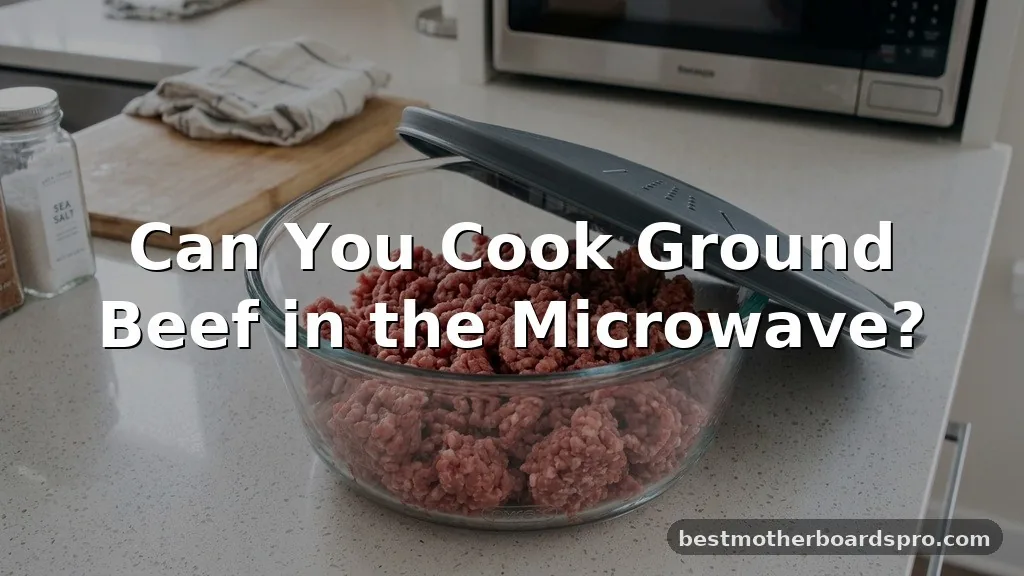
If you find yourself short on time or without access to a stovetop, you might wonder if you can cook ground beef in the microwave safely and effectively. The short answer is yes, it is entirely possible to prepare this protein using your microwave, provided you follow specific safety precautions to ensure the meat reaches a proper internal temperature.
While it might not yield the same Maillard reaction or crispy edges you get from a searing hot skillet, microwaving is a functional, time-saving method for quick meals like tacos, pasta sauces, or casseroles. Understanding the nuances of heat distribution and moisture control is the key to achieving a palatable result without turning your meal into a rubbery mess.
Safety and Preparation Basics
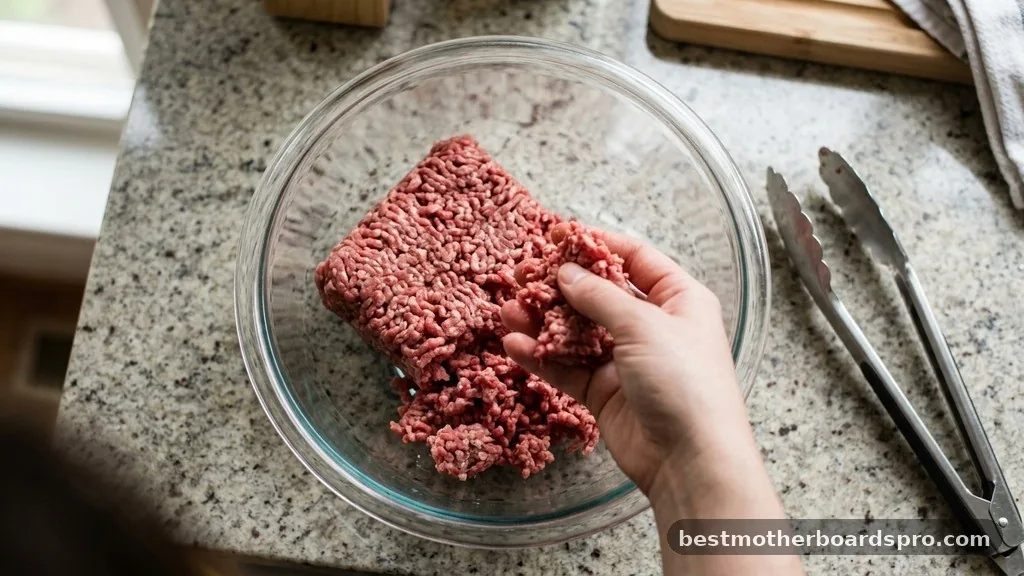
When you decide to cook ground beef in the microwave, safety is your primary concern. Because microwaves heat food by agitating water molecules, the process can sometimes be uneven, leaving cold spots where bacteria could potentially survive. To mitigate this risk, you must ensure the meat reaches an internal temperature of 160°F (71°C) throughout the entire dish.
Using a food thermometer is the only way to verify that your meat is fully cooked. Always choose a microwave-safe bowl with high sides to catch the rendered fat and juices that will inevitably accumulate during the process.
Before you start, it is helpful to break the meat into small, uniform chunks. Large clumps of meat will cook unevenly, with the outer edges becoming tough and dry while the center remains raw.
If you are starting with frozen ground beef, you should prioritize the defrost setting first. Microwaving a solid block of frozen meat directly is a recipe for disaster, as the outside will inevitably overcook before the middle even begins to thaw.
Step-by-Step Microwaving Process
To get the best texture, you need to manage the cooking process in short, controlled bursts. Continuous high-heat blasting often results in tough, gray, and unappealing meat. Follow this systematic approach to maintain moisture and improve the final texture of your dish:
- Place your ground beef into a large, microwave-safe glass bowl.
- Add a small splash of water or broth—about two tablespoons per pound—to help create steam and keep the beef moist.
- Cover the bowl with a microwave-safe lid or a vented paper towel to prevent splatter and trap heat.
- Microwave on medium-high power for two-minute intervals, stopping frequently to stir and break up the meat with a wooden spoon or spatula.
- Continue this cycle until the meat is no longer pink and the juices run clear.
- Drain any excess fat carefully before incorporating the beef into your final recipe.
Why Even Cooking Matters
The biggest challenge when using a microwave for raw meat is the lack of direct, conductive heat. In a pan, the surface of the meat is in constant contact with a hot metal surface, which promotes browning.
In a microwave, the energy penetrates the food, but it often does so inconsistently. If you do not pause to break the meat apart, you will likely end up with a mix of boiled, grayish clumps and potentially undercooked sections.
Stirring is not just a suggestion; it is a mechanical requirement for safety. By physically rearranging the meat, you redistribute the heat, ensuring that every piece spends an equal amount of time being cooked.
This also allows the rendered fat to mix with the juices, which prevents the beef from drying out too quickly. If you notice the meat is looking particularly dry, add another tablespoon of water during the final minutes of cooking.
Comparing Cooking Methods
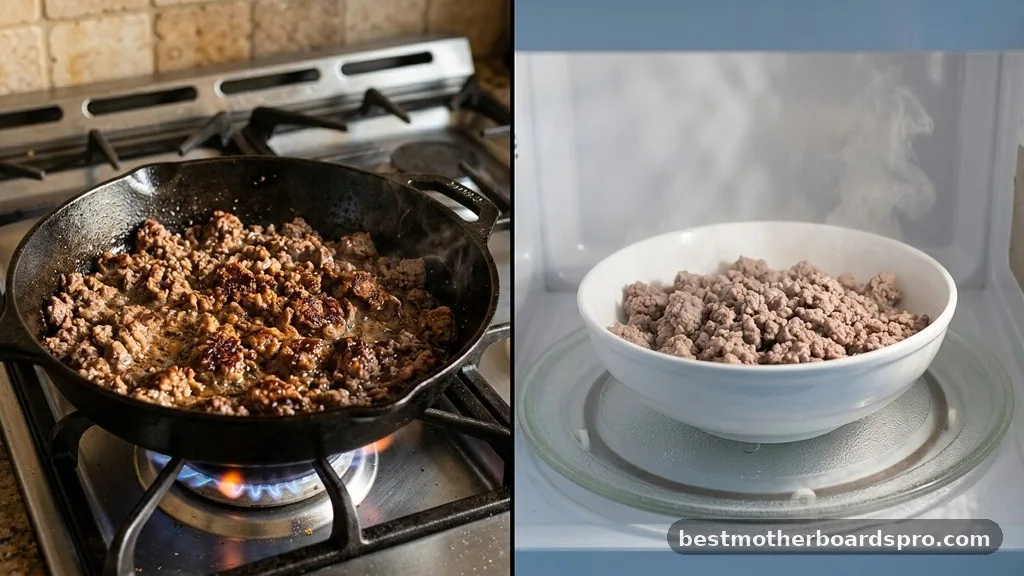
Choosing the right tool for the job depends on your goals. While the microwave is unmatched for speed, other methods provide superior flavor development. The table below highlights how different approaches impact your final result.
| Method | Speed | Flavor/Texture | Effort Level |
|---|---|---|---|
| Stovetop Sauté | Moderate | Excellent (Caramelization) | High |
| Microwave | Very Fast | Fair (Steamed Texture) | Low |
| Air Fryer | Fast | Good (Crispy) | Moderate |
| Oven Roast | Slow | Very Good | Low |
Addressing Common Hurdles
Many people struggle with the “gray” look of microwaved beef. Because the microwave uses steam rather than dry, high-heat searing, the meat never undergoes the chemical reaction necessary to turn brown and flavorful. To compensate, you should focus on how you use the meat afterward.
If you are adding the beef to a flavorful red sauce, chili, or taco seasoning, the visual appearance matters significantly less. The sauce will coat the meat, masking the lack of a crust and infusing it with the necessary savory notes.
Another common issue is the accumulation of excess grease. Since you aren’t pouring the fat out of a pan, it stays in the bowl with the meat. Leaving this fat in the dish can make your final meal feel heavy and greasy.
Always have a colander or a slotted spoon ready to drain the beef once it is fully cooked. If you are feeling particularly health-conscious, you can even pat the cooked meat with a paper towel to absorb any lingering surface oil.
Optimizing Results for Specific Dishes
If you are preparing a quick taco night, microwaving is quite efficient. The key is to add your spices after the meat is cooked.
If you add dry spice blends before microwaving, they may burn or turn bitter due to the intense steam and localized hot spots. Once the beef is drained and fully cooked, toss it with your seasonings and a splash of water, then give it one final 30-second blast to let the flavors marry.
For pasta sauces, you can cook the beef directly in a large bowl and then stir in your tomato sauce once the meat is browned. This allows the meat to simmer in the sauce, which actually helps improve the texture of the beef, making it tender rather than chewy. This hybrid approach—part microwave, part stovetop-style integration—is the professional secret to making microwaved ground beef taste like it was prepared the traditional way.
Frequently Asked Questions
Is it truly safe to cook raw ground beef in the microwave?
Yes, it is safe provided you cook the meat until it reaches an internal temperature of 160°F. Because microwaves can heat unevenly, you must stir the meat frequently during the process to ensure there are no cold spots where bacteria could survive. Always use a meat thermometer to confirm.
How long does it typically take to cook ground beef in the microwave?
On average, one pound of ground beef takes about 5 to 8 minutes to cook fully. However, this varies based on your microwave’s wattage. The best approach is to cook in 2-minute intervals, stirring thoroughly between each cycle, until the meat is completely browned and no longer pink.
What should I do if the meat becomes tough or rubbery?
Toughness is usually a sign of overcooking or a lack of moisture. To prevent this, always add a small amount of water or beef broth to the bowl before you start. Additionally, avoid blasting the meat on high power; using a medium-high setting helps the meat cook more gently.
Can I cook frozen ground beef directly in the microwave?
It is not recommended to cook frozen meat from a solid state, as the exterior will overcook while the center remains frozen. Use the defrost setting to thaw the beef until it is pliable enough to break into small pieces, then proceed with the standard cooking process to ensure even results.
Final Thoughts on Microwaving Beef
Cooking ground beef in the microwave isn’t just a viable shortcut; it’s a practical skill for busy days or minimalist kitchens. By breaking the meat into small pieces, adding a touch of moisture, and keeping a close eye on the temperature, you can achieve a perfectly safe and tasty protein base for your favorite recipes. While it will never replace the deep, savory crust formed by a cast-iron skillet, it serves its purpose when efficiency is the priority.
Experiment with your seasoning blends and sauce pairings to compensate for the mild flavor profile, and you’ll find that this method fits right into your regular meal prep rotation. Don’t hesitate to give it a try next time you’re in a pinch—it’s simpler than you might think.