
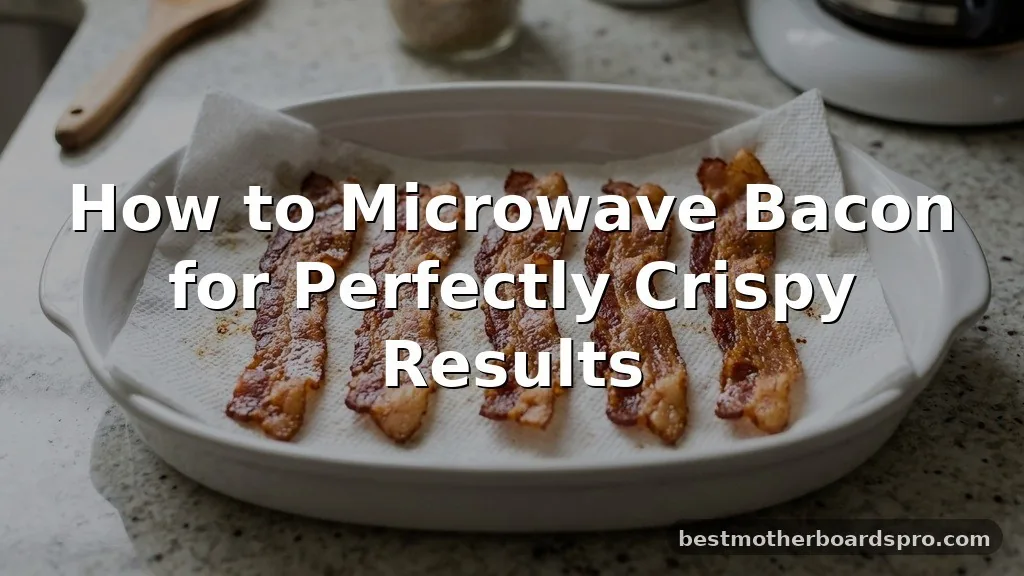
Learning how to microwave bacon is a practical skill that turns a once-messy kitchen chore into a fast, reliable breakfast routine. While traditional pan-frying offers a classic sizzle, the microwave method excels in speed and cleanliness by trapping splatter inside the oven. If you have ever struggled with greasy stovetops or unevenly charred strips, this approach provides a cleaner alternative that doesn’t sacrifice that satisfying crunch.
By managing moisture and heat correctly, you can achieve professional results in just a few minutes. Whether you are prepping a quick morning meal or adding a savory topping to a sandwich, mastering this technique will change how you view your microwave.
The Mechanics of Microwave Bacon
Cooking bacon in a microwave works by exciting water molecules within the meat, which generates heat from the inside out. Unlike a frying pan, which uses direct conductive heat to sear the surface, the microwave relies on radiation to cook the entire slice simultaneously. This process renders the fat efficiently, though it requires specific techniques to ensure the edges don’t become too tough while the center remains undercooked.
The most critical component of this process is moisture management. Because bacon releases a significant amount of liquid as it heats, you need an absorbent material to capture the runoff. Utilizing high-quality paper towels is the standard way to prevent the strips from stewing in their own rendered grease, which is the primary cause of rubbery or soggy textures.
Step-by-Step Preparation for Crispy Strips
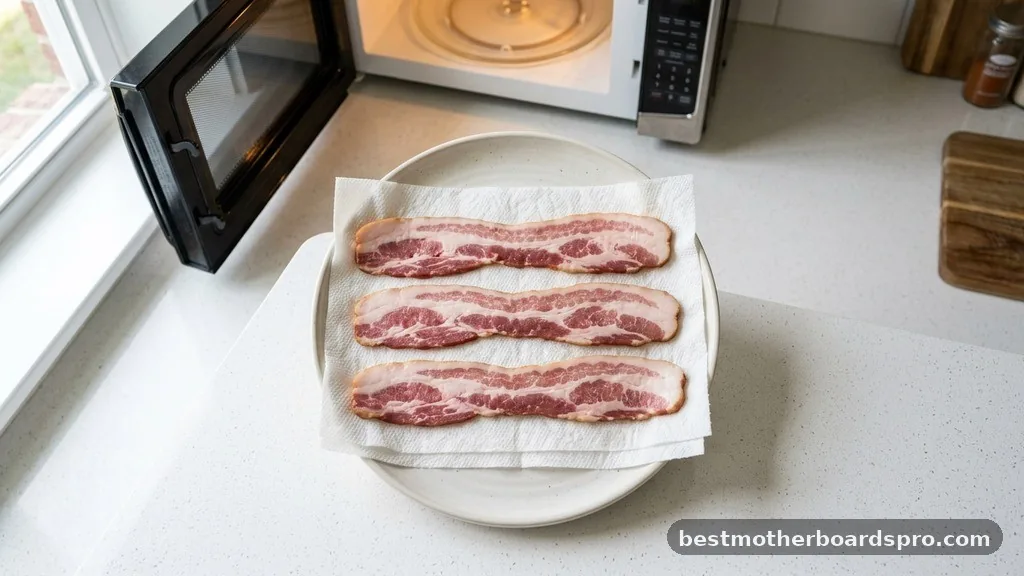
To get the best outcome, you should follow a precise sequence. Start by selecting your preferred bacon—thick-cut varieties take slightly longer than thin-cut, but both work well. Lay out a large sheet of paper towel on a microwave-safe plate, ensuring it covers the entire surface area.
- Place your bacon strips side-by-side on the paper towel, ensuring they do not overlap.
- Cover the top of the bacon with another sheet of paper towel to contain the splatter.
- Set your microwave to high power, usually starting with one minute per slice as a baseline.
- Check the texture after the initial time and add 15-second intervals until you reach your desired level of crispness.
- Let the bacon sit for one minute after removing it from the oven, as the fat will continue to firm up as it cools.
Avoiding Common Mistakes
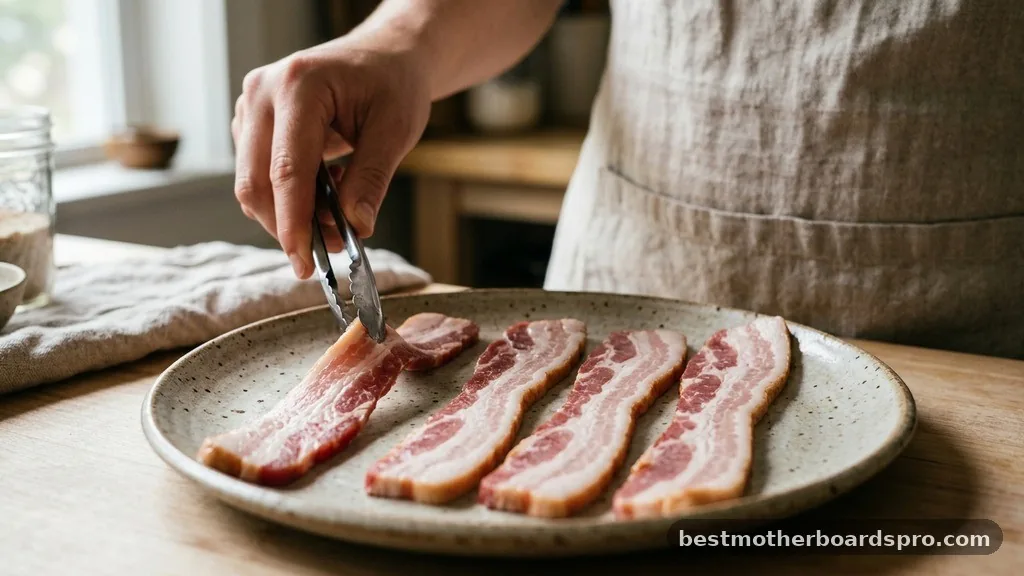
Many people struggle with the texture of microwave-cooked meat because they rush the process or ignore the importance of layering. If your bacon comes out chewy or uneven, you are likely missing a key step in the setup. Overloading the plate is a frequent error; when strips touch each other, they steam rather than fry, resulting in a limp, unappealing product.
Another common mistake is failing to use enough layers paper under the bacon. If the bottom towel becomes fully saturated with grease, the meat can no longer release its moisture, leading to a soggy bottom. If you are cooking more than four slices, swap out the paper towels midway through the cooking process to keep everything dry and crisp.
| Factor | Pan-Frying | Microwaving |
|---|---|---|
| Cooking Time | 8-12 Minutes | 2-4 Minutes |
| Cleanup | High (Splatter) | Low (Contained) |
| Texture | Evenly Crispy | Variable (Needs Monitoring) |
| Fat Content | Often fried in rendered fat | Fat is drained away |
Addressing Topical Gaps in Microwave Cooking
A frequent concern among home cooks is whether cooking bacon in this manner is safe or if it creates a fire hazard. The truth is that as long as you use microwave-safe materials and do not let the paper towels catch fire due to excessive heat, it is perfectly safe.
Another gap in common knowledge is how to handle the rendered grease. Instead of pouring it down the drain—which can clog pipes—you can let it solidify on the paper towel or scrape it into a jar to use for roasting vegetables later.
Some users also wonder about the health implications of using plastic-based microwave covers. If you prefer not to use paper towels, you can invest in a dedicated bacon microwave cooker.
These plastic trays are designed with ridges that elevate the meat above the grease, allowing the fat to drip into a reservoir below. This hardware often produces a more consistent texture than the paper towel method because it provides better airflow around the meat.
Optimizing the Time and Heat Settings
The time required varies depending on the wattage of your appliance. A standard 1000-watt microwave will cook a single slice of bacon in about 60 to 90 seconds.
If you increase the quantity, the total time does not scale linearly. For four slices, you might only need three to four minutes total.
Always start with a conservative estimate. It is much easier to add extra time if the bacon is still too soft than it is to save a strip that has been incinerated by a long, aggressive cooking cycle. If you find your microwave has “hot spots,” rotate the plate halfway through the cooking process to ensure even browning across all pieces.
FAQ Section
Can I microwave bacon without using paper towels?
Yes, you can use a microwave-safe bacon tray or a ceramic dish with raised edges. However, you must ensure the fat has somewhere to drain. Without paper towels or a specialized tray, the bacon will sit in a pool of hot grease and turn out soggy and unappealing.
Why does my microwave bacon taste rubbery?
Rubbery texture usually results from trapped steam or insufficient cooking time. Ensure you are not overlapping the slices, as this prevents moisture from escaping. Additionally, allow the bacon to rest on the plate for a full minute after cooking, as the fat firms up significantly during this cooling phase.
Is it possible to reheat cooked bacon in the microwave?
Reheating is actually one of the best uses for a microwave. Place the pre-cooked strips between two fresh sheets of paper towel and heat on medium power for 15 to 20 seconds. This method restores the crispness without drying the meat out or making it tough.
How do I know when the bacon is perfectly done?
The bacon is ready when the fat has rendered and the meat has turned a deep, golden brown. It should look slightly darker than you want it to be, as it will continue to crisp up as it rests on the plate and cools down to room temperature.
Conclusion
Perfecting the craft of microwaving bacon is about balancing moisture control and heat application. By consistently using absorbent paper towels or a specialized tray, you eliminate the mess of stovetop frying while maintaining the delicious, salty crunch that makes bacon a breakfast staple. Remember that the residual heat is your friend; pulling the meat out just before it looks “finished” will help you avoid overcooking.
Whether you are in a rush on a Tuesday morning or just want a cleaner way to prepare your favorite protein, this simple method is a reliable solution. Experiment with your specific appliance to find the exact timing that suits your preferred level of crispness, and enjoy your perfectly prepared slices.