
Determining whether you can microwave paper cups is a common concern for anyone looking to quickly reheat a beverage or snack. While it might seem convenient to toss a drink into the appliance, the reality is more nuanced than a simple yes or no. Many disposable containers are engineered for specific purposes, and subjecting them to high heat can lead to unexpected chemical reactions or structural failure.
Understanding the construction of these vessels helps you decide if they are truly microwave-safe or better left for cold use only. This article explores the hidden risks and practical realities of using paper-based containers in your kitchen.
Understanding the Composition of Paper Cups
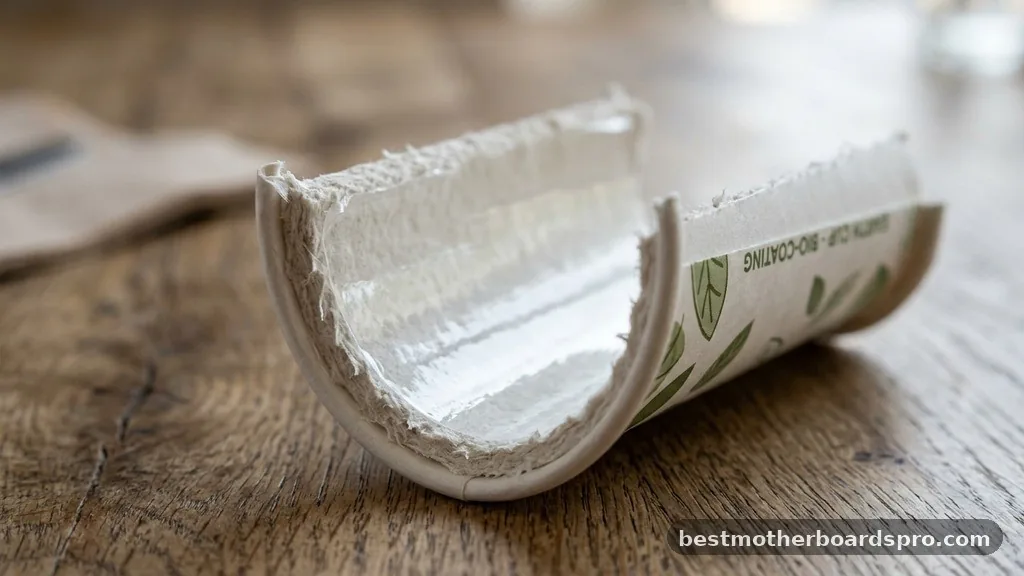
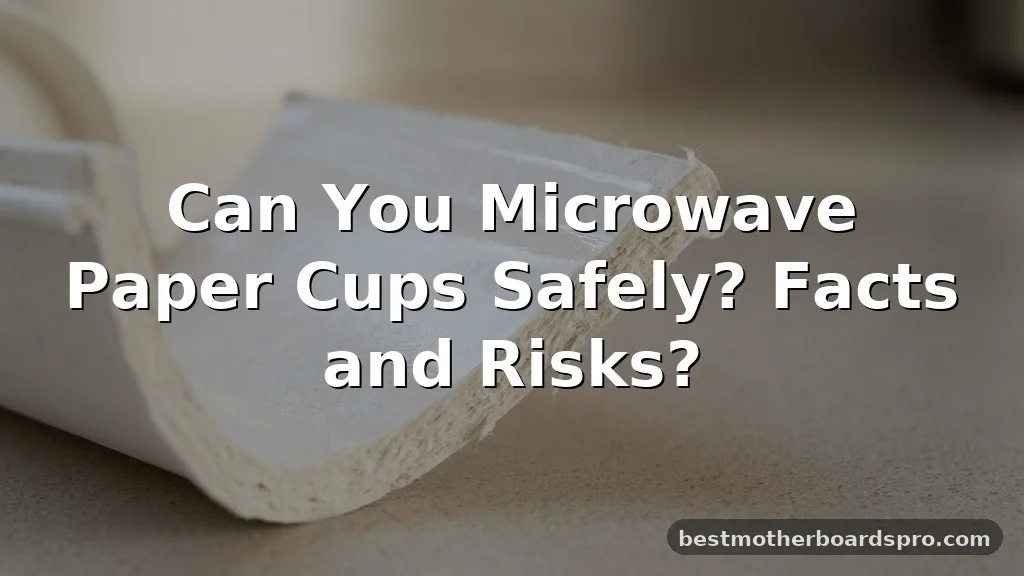
Most standard paper cups are not just simple folded paper. They are complex, multi-layered products designed to hold liquid without leaking or becoming soggy.
To achieve this, manufacturers coat the paper with a thin layer of plastic, usually polyethylene, which acts as a moisture barrier. When you expose this material to the intense energy of a microwave, the integrity of that plastic lining can be compromised.
The primary issue is that microwaves excite water molecules within the liquid and the material itself. If the paper cup is designed for cold drinks, the plastic coating might be thinner or a different grade than what is required for heat resistance.
Once the temperature of your liquid exceeds the melting point of that internal coating, it begins to degrade. This can result in the plastic leaching into your food or drink, which is a significant safety concern.
The Difference Between Cold and Hot Cups
Not all vessels are created equal. If you are wondering whether you can microwave paper cups, you must first identify if the product is intended for hot or cold beverages.
Cold cups often use thinner paper and a lower-grade polyethylene liner. These are strictly for room-temperature or chilled liquids and will lose their structure almost immediately when placed in a microwave.
Hot cups, such as those used for coffee or tea, are built with thicker paper and often feature a double-wall construction for insulation. Even these specialized containers are not always microwave-safe.
The adhesive used to bond the seams of the cup may soften under heat, leading to sudden leaks or structural collapse. Always look for a manufacturer’s stamp or label that explicitly states the product is microwave-safe before proceeding.
| Cup Type | Heat Resistance | Microwave Suitability |
|---|---|---|
| Standard Cold Cup | Low | Not Recommended |
| Hot Beverage Cup | Moderate | Use with Caution |
| Certified Microwave-Safe Paper | High | Safe to Use |
Risks Associated with Microwaving Disposable Containers
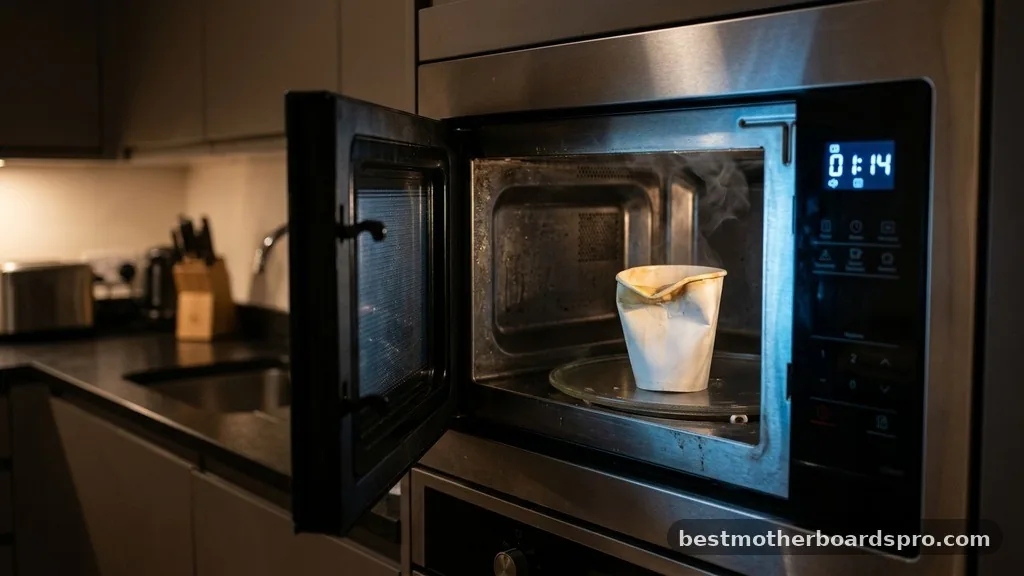
When you decide to risk microwaving a container that isn’t explicitly rated for the job, you encounter several potential hazards. The most immediate is the risk of the cup failing while it is still inside the machine. A sudden leak can spill hot liquid onto the turntable, creating a mess and potentially damaging the internal components of your appliance.
Beyond the physical mess, there is the issue of chemical migration. Heating plastic-lined paper beyond its design limits can cause chemicals like Bisphenol A (BPA) or phthalates—if present in the manufacturing process—to transfer into your beverage. Even if the cup is BPA-free, the breakdown of the plastic liner can alter the taste of your drink, leaving a distinct, unpleasant waxy or chemical aftertaste.
- Structural integrity loss: The seams may melt, leading to leaks.
- Chemical leaching: Plastic linings can degrade and contaminate your liquid.
- Fire hazard: If the paper is particularly dry or thin, it could potentially scorch.
- Uneven heating: Paper is a poor conductor, which may result in cold spots in your food.
- Waste of resources: Using a cup that fails halfway through the process is inefficient.
Identifying Microwave-Safe Alternatives
If you find yourself frequently needing to reheat drinks, it is much wiser to switch to materials designed for the task. Glass, ceramic, and specific types of microwave-safe plastic are far more reliable than disposable paper. These materials do not have the same risk of melting or degrading during short heating cycles.
Using a ceramic mug or a glass container provides a stable, inert surface that won’t leach chemicals into your coffee or tea. If you must use a disposable item, ensure it carries a clear, verified icon indicating it is safe for microwave use. Many modern companies now produce compostable or paper-based options that are specifically treated to withstand heat, but these are distinct from the standard cups found at a typical coffee shop.
Addressing Common Misconceptions
A common question is whether you can microwave paper cups for just a few seconds. While thirty seconds might not cause a cup to melt into a puddle, it can still compromise the structural bonds or cause the liner to start breaking down on a microscopic level. It is rarely worth the risk of drinking potential plastic residue just to save a few seconds of pouring time.
Another misconception is that all branded coffee shop cups are safe because they hold hot coffee. While they are engineered to hold hot liquids for consumption, they are not designed to withstand the rapid, intense thermal shock of a microwave oven. The environment inside a microwave is significantly more aggressive than simply pouring a hot liquid into a cup.
Frequently Asked Questions
Are paper cups safe to microwave?
Most standard paper cups are not safe for the microwave. They are typically lined with thin plastic that can melt or degrade when exposed to high heat. Unless a cup is explicitly labeled as microwave-safe by the manufacturer, it is best to avoid using it for reheating.
Why can’t you microwave Starbucks paper cups?
Starbucks cups are designed to hold hot coffee, not to withstand the intense radiation of a microwave. The heat from a microwave can cause the plastic liner to break down or the adhesive at the seams to soften, which risks leaks and potential chemical contamination of your drink.
Can I reheat coffee in a paper cup?
Reheating coffee in a disposable paper cup is generally discouraged. The heat can cause the cup’s structure to fail or the plastic lining to leach into the coffee. It is much safer and better for the taste of your drink to transfer the coffee into a ceramic or glass mug.
Can I microwave a paper cup for 30 seconds?
Even for short periods like 30 seconds, microwaving a paper cup is risky. While it might not visibly collapse, you cannot guarantee the safety of the plastic coating. It is safer to use a microwave-safe container to ensure no harmful substances migrate into your food or beverage.
Final Thoughts on Safe Microwaving Practices
When you consider the question of whether you can microwave paper cups, the best approach is to prioritize your health and the longevity of your appliances. While a single instance might not cause an immediate disaster, the cumulative effect of heating plastic-lined paper is unnecessary. By opting for glass or ceramic, you ensure that your beverage remains pure and your kitchen stays clean.
If you find yourself in a situation where you rely on disposable options, look for certification labels that confirm the container is built for microwave use. Making this small change in your daily routine is a simple way to maintain safety and improve your overall kitchen experience. Moving forward, keep a reusable mug handy to avoid the guesswork entirely.