
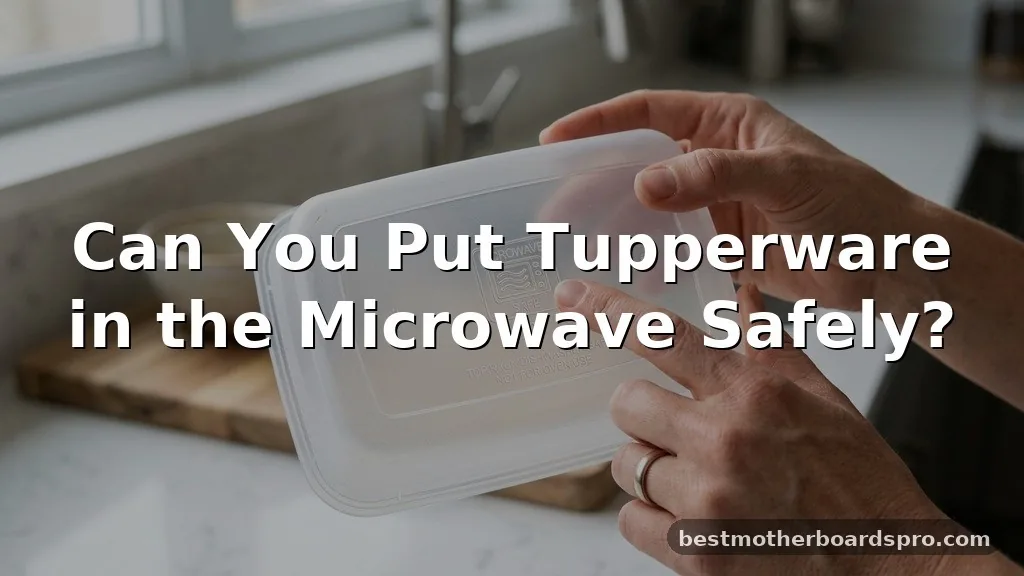
Determining whether you can put Tupperware in the microwave depends entirely on the specific product line and the condition of your plasticware. While many people use the brand name interchangeably with any plastic food storage, not every container is engineered to handle the intense heat generated by microwave radiation.
Using the wrong type of plastic can lead to warping, melting, or the leaching of chemicals into your meal. By checking for specific safety symbols and understanding how your container handles heat, you can safely reheat your lunch without compromising your health or destroying your favorite storage container.
Identifying Microwave Safe Plasticware
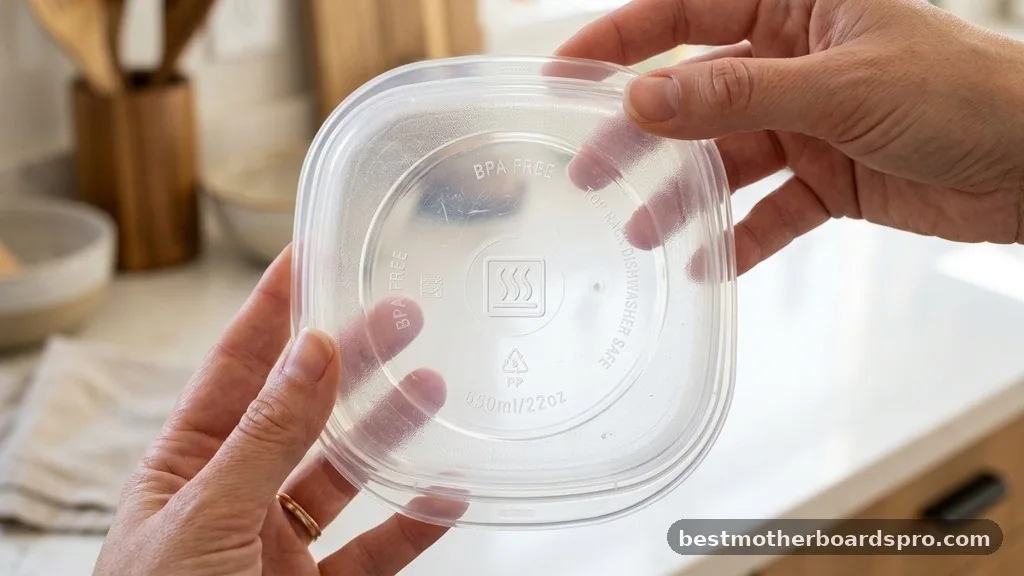
The most reliable way to check if your gear is suitable for heating is to look for the official microwave safe symbol. This icon usually appears on the bottom of the container and typically features a box with wavy lines inside, representing heat waves. If you cannot find this symbol, it is safer to assume the item is intended only for cold food storage or pantry organization.
Manufacturers design specific lines, such as the Tupperware Crystalwave series, specifically for the rigors of reheating. These items often feature a special vent on the lid that allows steam to escape, preventing pressure buildup that could otherwise cause the container to bulge or crack. Always inspect your dishes for cracks or deep scratches before heating, as damaged plastic is more likely to harbor bacteria and break down under thermal stress.
Why Material Composition Matters
Plastic is a broad term that covers many different chemical compositions. Some plastics are rigid and designed to withstand high temperatures, while others are thin and intended for single-use purposes, like deli containers or takeout boxes. When you place a container in the microwave, the internal temperature of the food can quickly exceed the melting point of lower-grade plastics.
The following table highlights the common differences between various food storage materials when exposed to heat:
| Material Type | Microwave Suitability | Notes |
|---|---|---|
| Crystalwave / Specialized Plastic | High | Designed with vents for steam release. |
| Standard Polypropylene | Moderate | Must be labeled “microwave safe.” |
| Thin Disposable Plastic | Low | Risk of melting or chemical leaching. |
| Glass Storage | High | Excellent heat resistance and durability. |
Risks of Heating Non-Compatible Plastic
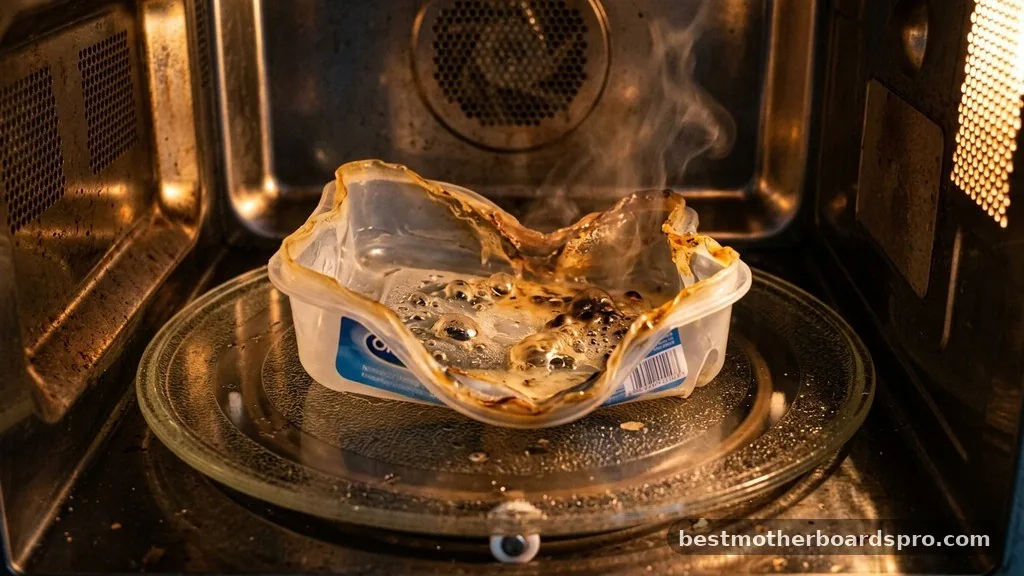
If you ignore the manufacturer’s guidelines, you face several risks that go beyond just ruining a dish. When plastic reaches its thermal limit, it can lose its structural integrity, leading to deformation. If the plastic gets too hot, it may release chemicals like phthalates or bisphenol A (BPA) into the food you are preparing to eat.
Beyond chemical concerns, there is the issue of hot spots. Certain foods, particularly those high in fat or sugar, can reach temperatures that exceed the melting point of standard plastic even if the container is labeled as safe. When you’re reheating a large, dense portion of leftovers, the heat generated by the food itself can melt the plastic from the inside out.
Best Practices for Reheating Food
To maximize the lifespan of your storage containers and keep your food safe, follow these fundamental rules. Adhering to these habits ensures that you aren’t accidentally damaging your kitchenware during the daily lunch routine.
- Always remove the lid or ensure the steam vent is open to prevent pressure buildup.
- Avoid heating foods with high oil or sugar content for extended periods, as these can create localized hot spots that melt plastic.
- Check for the official microwave safe symbol on both the base and the lid before starting the cycle.
- Replace any container that shows signs of warping, clouding, or deep staining, as these indicate the material has degraded.
- Use glass containers for long reheating times, as they are chemically inert and heat-resistant.
Addressing Topical Gaps in Plastic Safety
Many users wonder if the age of their containers affects their safety. Plastic does age, and over time, the polymers can break down due to repeated exposure to heat, detergents, and acidic foods.
If you have a legacy container that has seen years of use, it is likely more brittle than a newer piece. Even if it was originally microwave safe, the physical degradation of the material makes it a poor candidate for modern microwave use.
Another common confusion involves the use of lids. Even if the container base is safe, the lid might be made of a different, more sensitive plastic.
Some lids are designed to be airtight for storage but can warp or shrink if exposed to the heat of the microwave, rendering them useless for sealing later. Always test the fit of your lid after a heating cycle; if it no longer snaps on tightly, the heat has likely compromised the seal.
FAQ Section
Is it safe to microwave old Tupperware that lacks a symbol?
If your container does not have a clear microwave safe symbol, you should avoid using it in the microwave. Older plastic items were often manufactured without the strict testing standards used today, and they may not be able to withstand the heat without leaching chemicals into your food.
Can I microwave a container with the lid on?
You should generally leave the lid off or at least cracked open. If the container features a built-in steam vent, keep it open to allow pressure to escape. Heating with an airtight lid can cause the container to explode or warp significantly due to the rapid buildup of steam.
How do I tell if my container has been damaged by the microwave?
Look for signs of clouding, rough textures, or warping on the bottom of the dish. If the plastic feels tacky, has changed shape, or has visible white stress marks, the structural integrity has been compromised. In these cases, it is best to discard the container and replace it.
Are there specific foods I should never microwave in plastic?
Avoid microwaving foods that are extremely high in fat or sugar, such as bacon, cheese, or sugary sauces. These ingredients can reach temperatures far exceeding the boiling point of water, which can easily melt the plastic container even if it is labeled as microwave safe.
Conclusion
Deciding whether you can put Tupperware in the microwave requires a bit of common sense and attention to detail. Always prioritize the manufacturer’s markings and look for the microwave safe icon before you start your machine. While specialized lines like the Crystalwave are built for this purpose, standard storage containers are often better suited for the fridge or pantry.
By keeping an eye on the condition of your containers and opting for glass when you need to reheat particularly greasy or dense meals, you can maintain a safe kitchen environment. If you are ever in doubt about a specific dish, it is always better to transfer your meal to a microwave-safe ceramic or glass plate. Taking these small precautions ensures your leftovers stay delicious and your kitchen stays free of damaged plastic.