
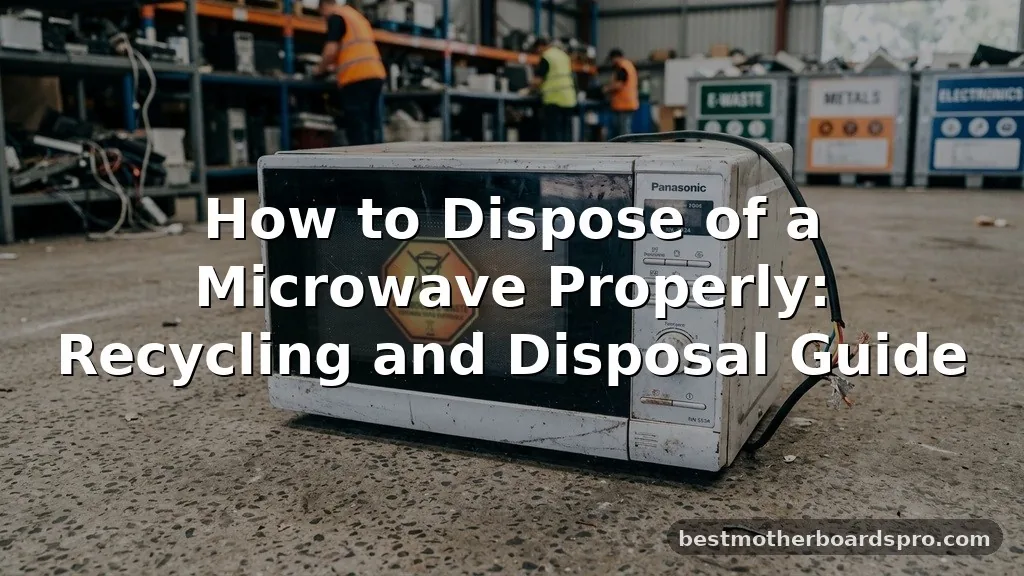
When your kitchen appliance finally stops heating up your leftovers, figuring out how to dispose of a microwave effectively becomes the next household hurdle. These units are more than just simple metal boxes; they contain complex circuitry, heavy capacitors, and various materials that shouldn’t end up in a standard landfill.
Because of their internal components, treating them like ordinary kitchen trash is rarely the best path forward. By taking a few extra moments to identify the right disposal method, you help keep hazardous substances out of our soil and water systems while ensuring valuable metals get a second life.
Understanding Why Proper Disposal Matters
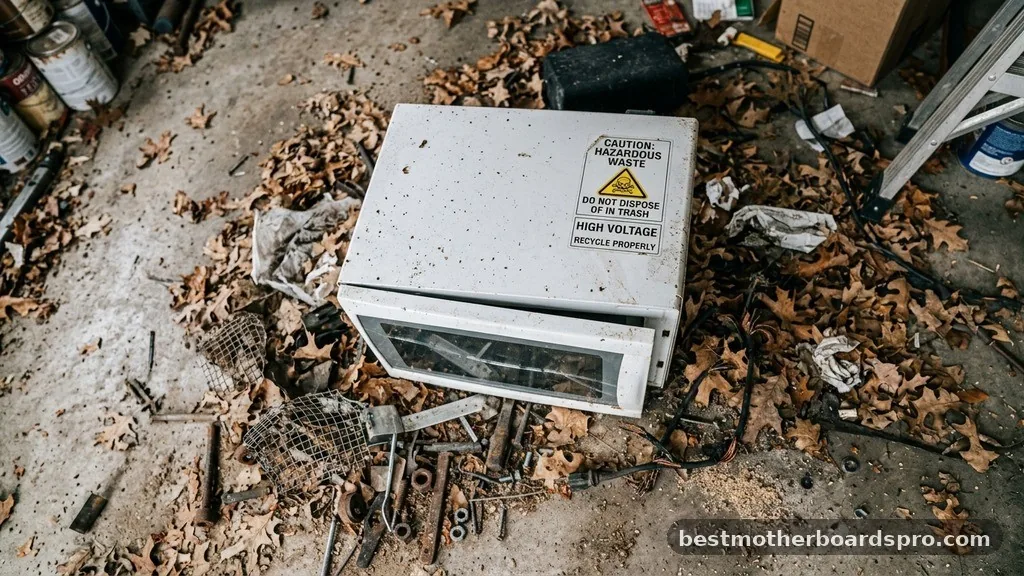
Microwaves are classified as electronic waste, or e-waste, because they house printed circuit boards and potentially harmful materials like lead or mercury in older models. When you toss an appliance into a standard dumpster, these components can leach toxins into the environment as they break down.
Beyond the environmental impact, there is a practical side to recycling. Many components inside these machines—such as copper wiring, steel, and aluminum—are highly valuable to manufacturers.
When you dispose of a microwave through an authorized facility, these raw materials are recovered and repurposed, reducing the need for new mining operations. This makes the entire lifecycle of your home appliances much more sustainable.
Checking Your Local Municipal Guidelines
Before you haul your unit to the curb, you must check your local municipal waste management website. Every city has different rules regarding the collection of large household items. Some municipalities offer specific curbside pickup days for electronics, while others strictly forbid placing them with regular household trash.
If your local government doesn’t offer direct pickup, you will likely need to transport the unit to a designated e-waste drop-off center. These facilities are equipped to dismantle appliances safely. Ignoring these local protocols can sometimes result in fines or, at the very least, your item being left on the sidewalk by sanitation workers who are not authorized to collect hazardous electronic waste.
Utilizing Retailer Take-Back Programs
One of the easiest ways to handle your old unit is to let the retailer take care of it when you buy a replacement. Many major appliance stores and big-box retailers operate take-back programs. When you purchase a new microwave, ask the sales representative if they offer a removal service for your old one.
This is often the most convenient method for homeowners. Some stores will haul away the broken appliance at the time of delivery, while others might provide a drop-off location within their store footprint. Always call ahead to confirm their current policy, as some locations may charge a nominal fee for the service, while others include it as part of a premium delivery package.
Donation and Resale Options
If your appliance is still in working condition but you are simply upgrading, don’t rush to the scrap heap. There are plenty of ways to keep your item out of the waste stream entirely. Consider these alternatives:
- Check with local thrift stores or charity shops to see if they accept used kitchen electronics.
- List the item on online marketplaces like Facebook Marketplace or Craigslist for a low price or for free.
- Ask friends, family, or neighbors if they are in need of a functional unit for a dorm room or apartment.
- Contact local shelters or community kitchens, as they occasionally need working equipment for their operations.
The Role of E-Waste Recycling Centers
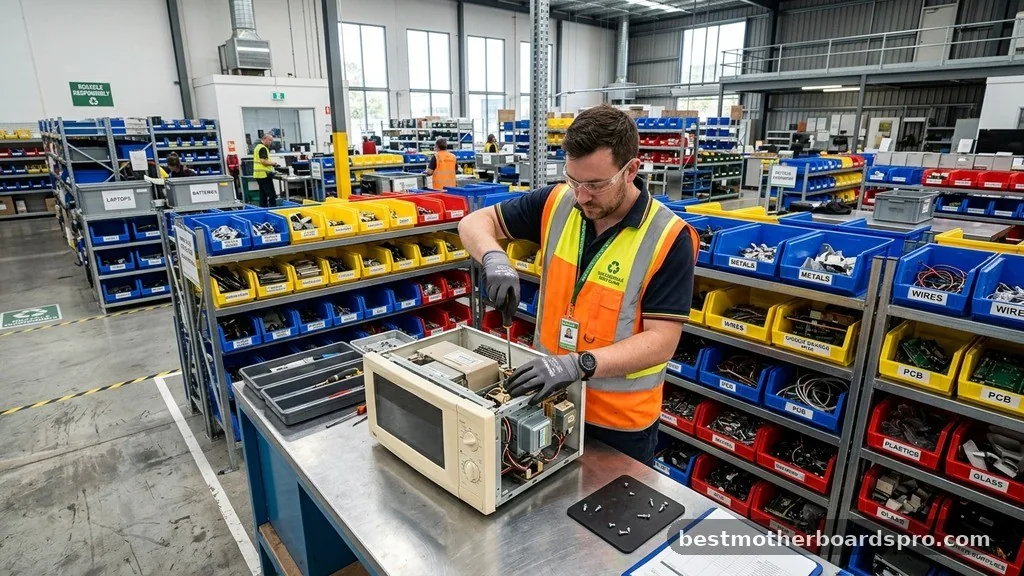
When donating isn’t an option and your local municipality doesn’t offer pickup, a specialized recycling center is your best bet. These facilities serve as the final destination for most consumer electronics. They have the specialized tools required to safely remove capacitors and handle the high-voltage components that make microwaves unique compared to smaller household items.
To find a facility near you, search for “e-waste recycling” followed by your city or county name. Many of these centers are open to the public during weekday business hours. Always ensure the facility is certified to handle hazardous materials, which guarantees they are following legal standards for processing and material recovery.
| Disposal Method | Convenience Level | Environmental Impact |
|---|---|---|
| Municipal Pickup | Moderate | High (If regulated) |
| Retailer Take-Back | High | High |
| Donation/Resale | Moderate | Very High (Reuse) |
| E-Waste Center | Low | Highest |
Addressing Common Disposal Challenges
A frequent challenge people face is determining if their microwave is actually considered “large” by waste management standards. While most countertop models are manageable, over-the-range units are heavy and often hard-wired into the home’s electrical system. If you are dealing with a built-in unit, you might need a professional or a more robust removal plan.
Another issue is the presence of hazardous materials in very old units. If your microwave dates back several decades, it could potentially contain capacitors with PCBs.
While rare, this is why it is vital to avoid taking your own tool to the internal components. Leave the disassembly to the professionals at a certified facility who have the protective gear and protocols to handle these specific items.
Steps for Safe Preparation
Before you move your unit, take a few minutes to prepare it properly. Unplug it and secure the cord with tape so it doesn’t pose a tripping hazard. If the glass tray is removable, take it out and clean it; you might be able to donate the tray separately if it is still in good condition.
Wipe down the interior and exterior to remove any food debris. While this is a small detail, it is a sign of respect for the workers at the collection site. Once it is clean and unplugged, keep it in a dry location until you are ready to transport it to the drop-off center or wait for your scheduled pickup time.
FAQ
Can I just put my old microwave in the regular trash?
No, you should not put a microwave in your regular trash. Most municipalities classify these as e-waste, which requires specialized handling. Putting them in a standard bin can lead to fines, and the hazardous components inside pose a significant risk to the environment when sent to a landfill.
Is there a way to dispose of a microwave for free?
Yes, many local governments offer free e-waste recycling events or permanent drop-off sites for residents. Additionally, some appliance retailers may offer free recycling if you are purchasing a new unit from them. Always check your local city website to find free options in your specific area.
What should I do if my microwave is still working?
If your appliance is still functional, the best approach is to donate it or sell it. Many local charities, shelters, and thrift stores accept working electronics. Giving it a second life is the most sustainable way to manage the item and keeps perfectly good equipment out of the waste stream.
How do I find a recycling center near me?
You can find a local recycling center by searching online for “e-waste recycling” along with your city or zip code. Websites like Earth911 or your local municipal government site often provide searchable databases that list authorized facilities where you can safely drop off your old electronic equipment.
Managing Your Old Appliances
Disposing of a microwave properly doesn’t have to be a complicated task if you know where to look. By checking with your local waste management agency, utilizing retailer programs, or finding a certified e-waste center, you ensure that your old items are handled responsibly. Whether you choose to donate a working unit or recycle a broken one, your proactive approach helps protect the environment and supports the circular economy.
Taking these steps when disposing of a microwave is a small but meaningful contribution to better waste management in your community. If you have any further questions about specific local programs, don’t hesitate to reach out to your municipal office for the most current guidance.