

When you are in the middle of a baking project and realize your ingredients are still cold, knowing whether you can soften cream cheese in the microwave becomes a critical piece of kitchen knowledge. Most recipes, especially those for cheesecake or creamy frosting, demand that the dairy be at room temperature to achieve the right texture.
While waiting for the block to sit on the counter is the traditional approach, modern schedules often require a faster solution. Understanding the nuances of using a microwave to achieve this consistency helps you avoid lumpy batters while keeping your ingredients safe and ready for immediate use.
Why Temperature Matters for Cream Cheese
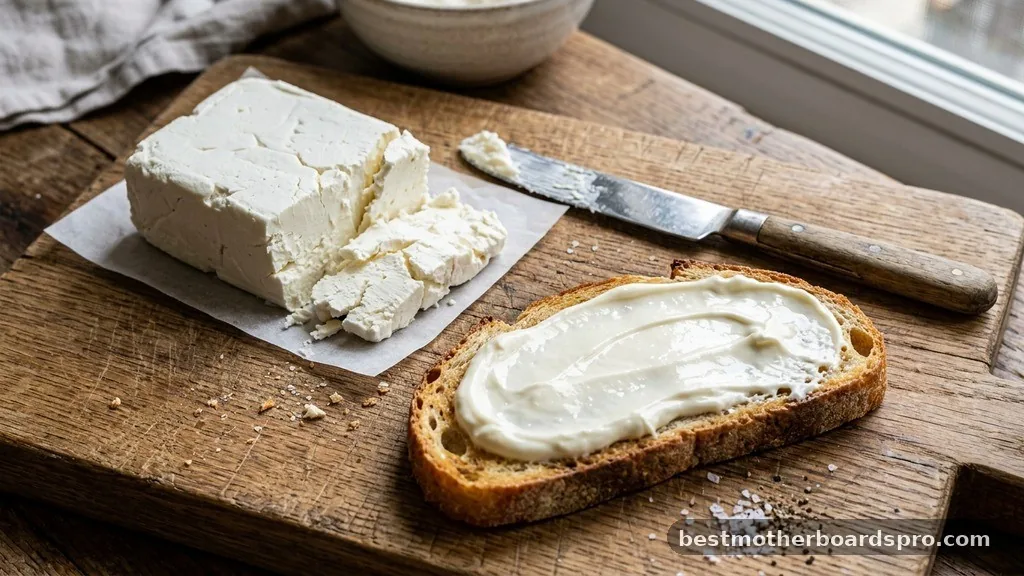
Cream cheese is a high-fat dairy product that behaves predictably when temperature changes occur. When it is cold, the fat globules are firm and rigid, which makes it difficult to incorporate air during the creaming process. If you try to mix cold cream cheese with sugar, you will often end up with small, stubborn lumps that refuse to smooth out, no matter how hard you beat the mixture.
Achieving a uniform, spreadable consistency is essential for high-quality results. Whether you are folding it into a cake batter or whipping it into a light, airy frosting, the temperature of the dairy acts as the foundation for the final structure. If the cheese is too cold, the emulsion will fail; if it is too hot, it will melt into a greasy liquid that loses its ability to hold shape.
The Mechanics of Microwave Softening
Microwaves function by agitating water molecules within food, which creates heat through friction. Because cream cheese has a relatively high moisture content, it reacts quickly to microwave energy. The primary challenge when using this appliance is that microwaves often heat unevenly, creating “hot spots” that can melt the edges of your block while the center remains rock-hard.
To successfully use this method, you must work in very short bursts. Power levels are also a vital factor.
Instead of running the appliance on high, which can cause the fat to separate and pool at the bottom of your bowl, it is better to use a lower setting. This allows the heat to distribute more gently throughout the entire block.
Step-by-Step Microwave Method
If you decide to soften cream cheese in the microwave, follow these steps to ensure you don’t accidentally ruin the product. Precision is your best friend here, as even a few seconds too many can turn a firm block into a puddle.
- Remove all packaging, including the foil wrapper, which is a fire hazard in a microwave.
- Place the block on a microwave-safe plate or in a glass bowl.
- Set your microwave to 30% or 50% power rather than full intensity.
- Heat the cheese for 10-second intervals, checking the consistency after each cycle.
- Rotate or flip the block between intervals to ensure even warming.
- Stop when the cheese yields to light pressure but still holds its shape.
Alternative Methods for Softening

While the microwave is effective, it is not the only way to prepare your ingredients. Depending on how much time you have, you might prefer a method that offers more control over the final texture. Each approach has its own benefits regarding the integrity of the dairy.
| Method | Time Required | Best For |
|---|---|---|
| Room Temperature | 45–60 Minutes | Maximum stability |
| Microwave | 30–60 Seconds | Last-minute needs |
| Warm Water Bath | 10–15 Minutes | Gentle, even warming |
The “warm water bath” method is a fantastic middle ground. By placing the sealed, foil-wrapped block into a bowl of lukewarm water, you can soften it without any risk of melting or scorching. This method is often preferred by professional bakers who want to ensure the cheese stays at a consistent, cool room temperature without the risk of the microwave’s intense heat.
Common Mistakes to Avoid
Even when you know you can soften cream cheese in the microwave, it is easy to make errors that compromise your recipe. One common mistake is neglecting to cut the block into smaller cubes.
Smaller pieces have more surface area, which allows them to warm up more evenly. If you attempt to microwave a whole block, the outside will inevitably become oily before the core has even begun to soften.
Another frequent error is leaving the foil wrapper on the block. Many people assume the foil is part of the packaging and safe to leave on, but it is a metallic material that will cause arcing and sparks. Always strip the cheese completely bare before placing it inside the appliance.
Finally, avoid the temptation to rush the process by increasing the power level. Patience is necessary; if you see the edges starting to gloss over, you have already gone too far.
Addressing Topical Gaps
A frequent concern for home bakers is whether microwaving affects the flavor or the structural integrity of the cheese. Generally, if you stay within the recommended timeframes, the flavor profile remains identical.
However, the structure can change if the proteins are denatured by excessive heat. If you notice your cream cheese looks oily or has started to separate into curds and whey, it has reached its limit.
Another gap in common advice involves the difference between “block” cream cheese and “spreadable” cream cheese in tubs. Tub varieties contain more moisture and stabilizers, which makes them much more prone to melting rapidly.
If you are using a tub-style product, you should reduce your microwave time by half compared to a standard 8-ounce block. Always prioritize the block variety for baking, as it is designed to hold its structure better during the creaming process.
FAQ
Is it safe to soften cream cheese in the microwave?
Yes, it is perfectly safe as long as you remove all foil packaging first. The key is using low power and short, ten-second bursts. If you use high power or leave it in for too long, you risk melting the cheese into a greasy, unusable liquid.
How long does it take to soften a full block?
On a medium-low power setting, a standard 8-ounce block usually takes between 30 and 45 seconds to become perfectly pliable. It is much better to under-heat it and check the texture frequently than to overheat it and lose the structural integrity required for baking.
What if the cream cheese starts melting?
If you notice the edges turning into liquid, stop immediately. Remove the block from the microwave and let it sit on the counter for a few minutes. The residual heat will continue to soften the center, and the melted edges will firm up slightly as they cool.
Can I soften cream cheese in the microwave for cheesecake?
You can, but you must be very careful. Cheesecake requires a specific emulsion; if the cheese is even slightly too warm, your cheesecake may end up with a grainy texture or crack during baking. If you have the time, let it sit at room temperature instead.
Best Practices for Your Next Recipe
The decision to soften cream cheese in the microwave should always be based on your specific needs and the time you have available. When you prioritize using a lower power setting and checking the block frequently, you can achieve the ideal consistency without sacrificing the quality of your dessert. Remember that the goal is simply to make the cheese pliable enough to cream, not to heat it through.
By cutting the block into smaller cubes and working in short, controlled bursts, you will ensure that your frostings remain smooth and your cheesecakes stay perfectly textured. If you find yourself in a rush, this method is a reliable tool to keep in your culinary repertoire.
Don’t hesitate to experiment with the warm water bath method as well, as it provides a gentler alternative for those times when you want absolute peace of mind. Happy baking!