
Learning how to heat up food without a microwave is a practical skill that transforms your kitchen experience. While many people rely on the convenience of rapid radiation, you can often achieve better texture, flavor, and moisture retention using traditional methods.
Whether you are dealing with a broken appliance, staying in a hotel, or simply prefer the quality of stovetop or oven warming, these techniques ensure your leftovers taste just as good as the first time. Mastering these alternatives allows you to take full control over your meals, ensuring that even simple dishes are restored to their original, delicious state without the uneven heating issues often associated with older technology.
The Stovetop: Your Best Friend for Reheating
The stovetop is arguably the most versatile tool for warming up almost anything. Unlike the uneven waves of a microwave, a pan provides consistent, conductive heat that allows you to manage the moisture levels of your meal. For dishes like stir-fries, pasta, or sautéed vegetables, the stovetop is the gold standard.
To reheat food effectively on the stove, you need to manage your heat levels carefully. High heat can burn the outside of your meal while leaving the center cold.
Instead, use a low-to-medium flame and add a splash of liquid—water, broth, or even a small amount of oil—to create steam. This added moisture prevents your meal from drying out and ensures it heats through evenly.
Using Steam to Refresh Leftovers
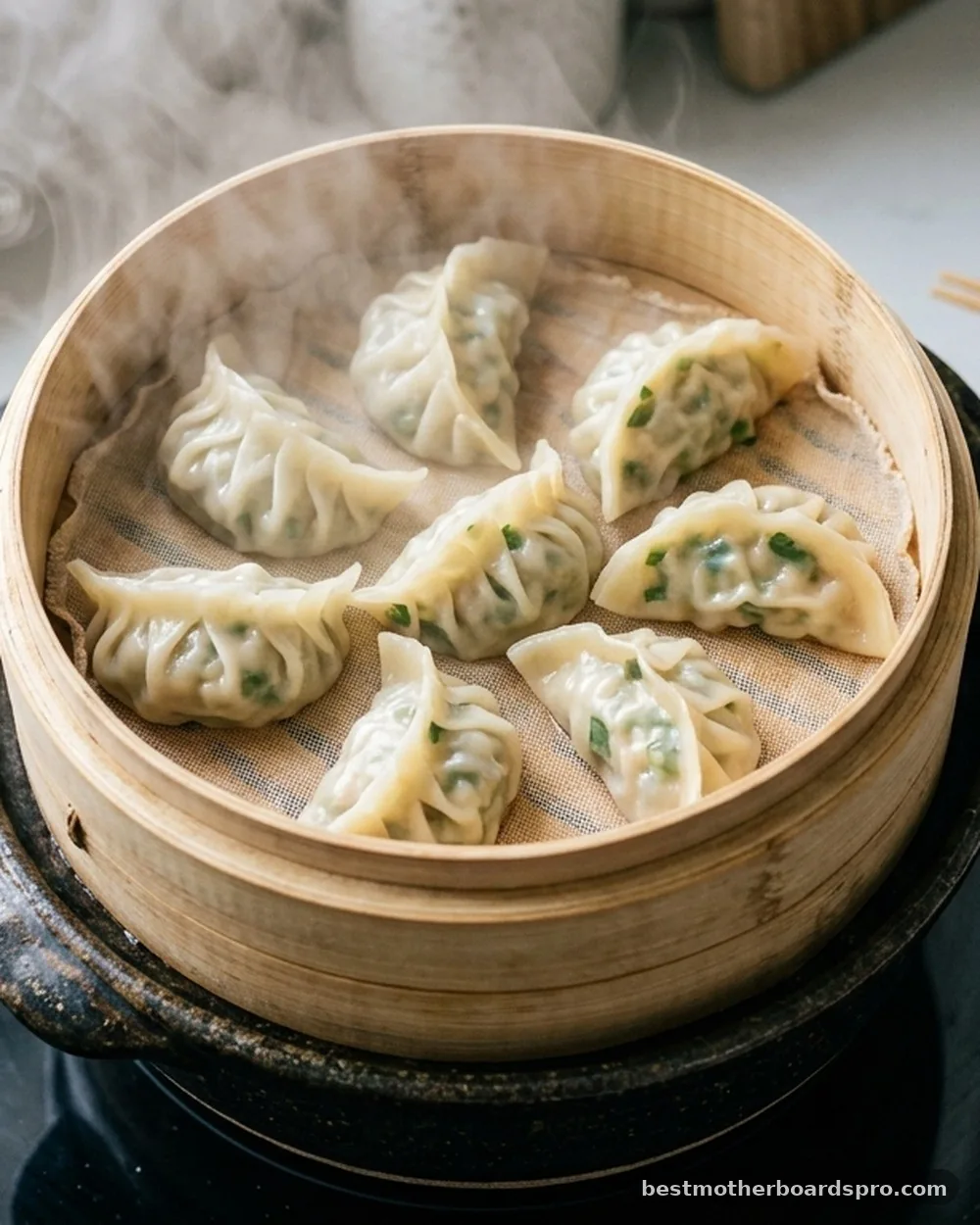
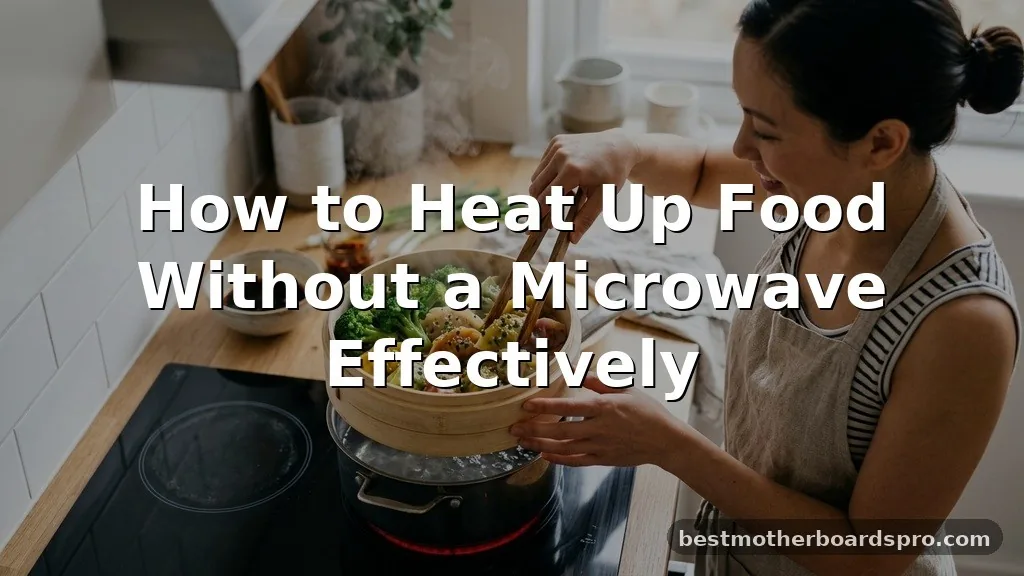
Steaming is a gentle way to warm up delicate items like dumplings, fish, or steamed vegetables. By placing your food in a steamer basket over a pot of simmering water, you avoid the harsh direct heat that often turns leftovers into rubber. The trapped steam gently warms the item, keeping the texture perfect.
Reheating in the Oven or Toaster Oven
When you have a larger portion or a dish that needs to stay crispy, the oven is your best choice. It provides a dry, circulating heat that is perfect for pizza, roasted meats, or baked goods. While it takes longer than other methods, the result is usually far superior.
Preheating is essential here. Don‘t just throw your food in a cold oven; let it reach the desired temperature first.
If you are reheating something that risks drying out, like a piece of chicken, cover the dish with foil. This traps the internal moisture, effectively steaming the food inside the oven while the air around it crisps the edges.
| Food Type | Best Method | Key Tip |
|---|---|---|
| Pizza | Skillet | Add a drop of water and cover with a lid. |
| Roasted Meat | Oven | Cover with foil to retain moisture. |
| Soup | Stovetop | Stir frequently to prevent scorching. |
| Pasta | Skillet | Add a splash of water or sauce. |
Managing Moisture with Liquid Additions
One of the biggest challenges when warming food is preventing it from becoming parched. Microwaves often zap the water content right out of your meal, but stovetop and oven methods allow you to intervene. By adding a small amount of liquid, you can essentially “re-hydrate” the dish as it warms.
- Water: Best for pasta and grains that need a bit of steam.
- Broth: Adds depth of flavor to soups, stews, and braised meats.
- Oil or Butter: Ideal for bringing life back to roasted vegetables or fried foods.
- Sauce: If you have extra sauce left over, use it to coat the food while it warms.
Addressing Specific Food Types
Different foods require different approaches. A thick stew behaves differently than a thin slice of pizza, and knowing how to handle each one is key to success.
Reheating Soups and Sauces
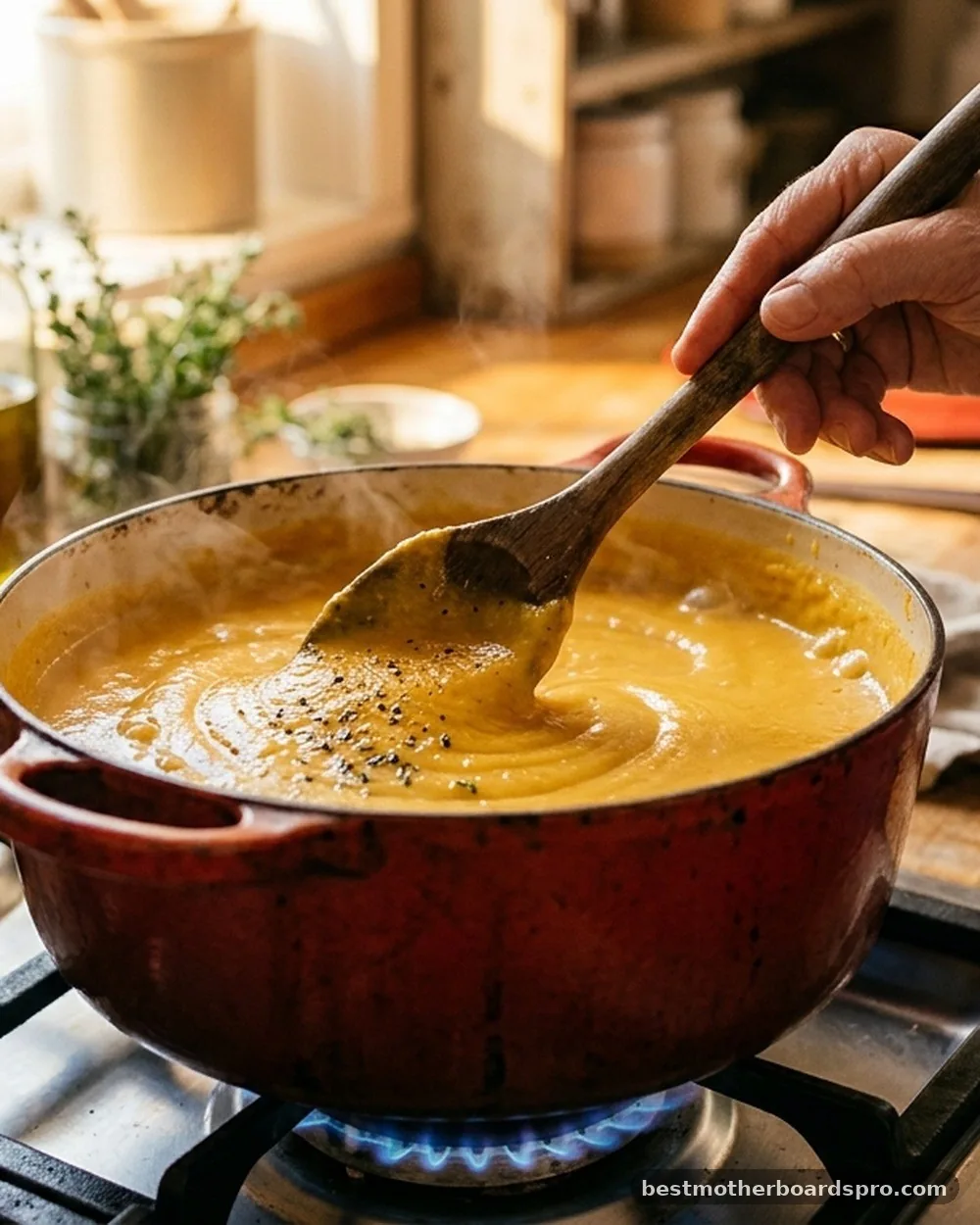
Soups are perhaps the easiest items to warm without a microwave. Simply pour the contents into a pot and set it over low heat.
It is vital to stir the bottom frequently, as thick soups can easily scorch if left unattended. If the soup has thickened too much in the fridge, add a small amount of water to return it to the desired consistency.
Warming Bread and Pastries
Bread often becomes stale or tough when refrigerated. To bring it back to life, a quick stint in a toaster oven or a warm frying pan is perfect.
If the bread is especially dry, brush it lightly with water before heating. This creates a crisp exterior while the inside stays soft and warm.
Topical Gaps: Managing Food Safety and Efficiency
Many people worry about the safety of reheating food without a microwave, specifically regarding the “danger zone” of temperature. The goal is to heat your food until it is steaming hot throughout, usually reaching an internal temperature of 165 degrees Fahrenheit. Using a food thermometer is the only way to be certain.
Efficiency is another common concern. Without a microwave, you have to plan your meals slightly differently.
It is often faster to reheat smaller, flatter portions rather than one giant block of food. If you have a large container of leftovers, break it into smaller pieces before you start the heating process to speed up the time it takes to reach a safe temperature.
FAQ Section
How can I heat up food in a hotel room without a microwave?
If your hotel room has a coffee maker, you can use the hot plate to warm up small portions of food in a heat-safe bowl. Alternatively, many hotels have an ice bucket that can serve as a makeshift basin for a hot water bath if you have access to hot water.
Is it possible to reheat pasta without drying it out?
Yes, the trick is to add a tablespoon of water or extra sauce to the pan before you start heating. Cover the pan with a lid to trap the steam. This keeps the pasta moist and prevents it from sticking to the bottom of the skillet while it warms.
Can I safely reheat meat on the stovetop?
Absolutely. Place the meat in a skillet over low-to-medium heat with a small amount of liquid, such as broth or water. Covering the pan helps circulate the heat evenly. Ensure the meat is heated through to the center to maintain both flavor and food safety standards.
What is the most efficient way to warm up pizza?
Skip the oven and use a skillet. Place the pizza slice in a cold pan, turn the heat to medium-low, and cover it. After a few minutes, the bottom will become crispy while the cheese melts perfectly from the trapped heat without burning the crust.
Conclusion
Learning how to heat up food without a microwave is about more than just convenience; it is about respecting the quality of your ingredients. By utilizing your stovetop for rapid, controlled heating and your oven for crisping, you can ensure that every meal tastes its best. You don’t need fancy equipment to achieve professional results—just a bit of patience and an understanding of how heat interacts with your food.
Experiment with these methods the next time you have leftovers and see how much better your meal tastes. Once you get the hang of using water for steam or the oven for texture, you will likely find that the microwave becomes an afterthought. Embrace these traditional techniques and enjoy the improved flavor profiles of your favorite dishes every single time.