
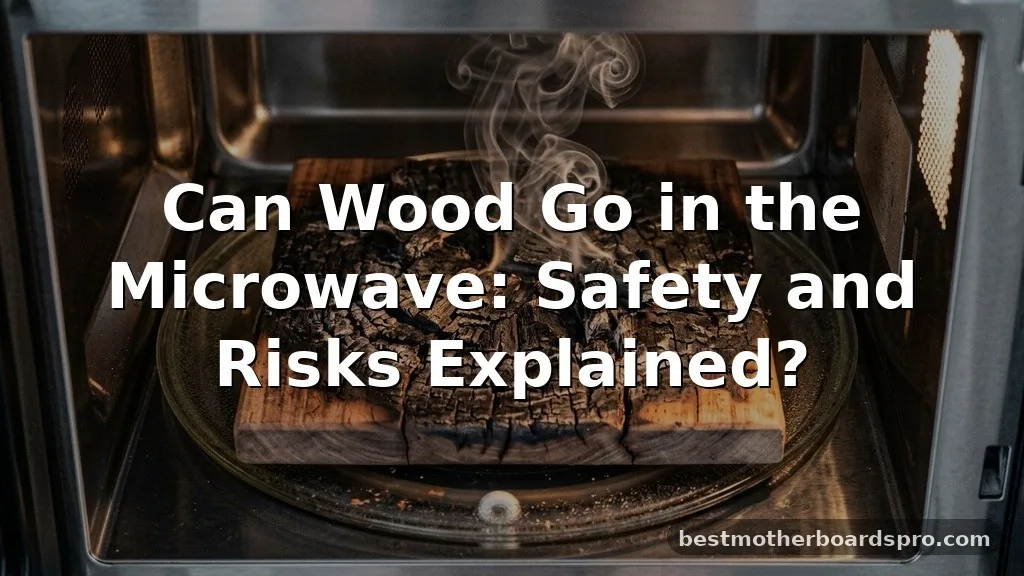
Deciding whether or not wood can go in the microwave often causes confusion in the kitchen. Many people own beautiful wooden serving pieces, like salad bowls or cutting boards, and wonder if they are safe for a quick reheat. While wood is a natural, organic material, it reacts differently to microwave energy than glass or ceramic.
Understanding these differences is the best way to protect your kitchenware and ensure your home stays fire-hazard free. By learning how wood interacts with electromagnetic waves, you will know exactly when to reach for a different container and when your wooden items are actually fine to use.
Understanding How Microwaves Interact with Wood
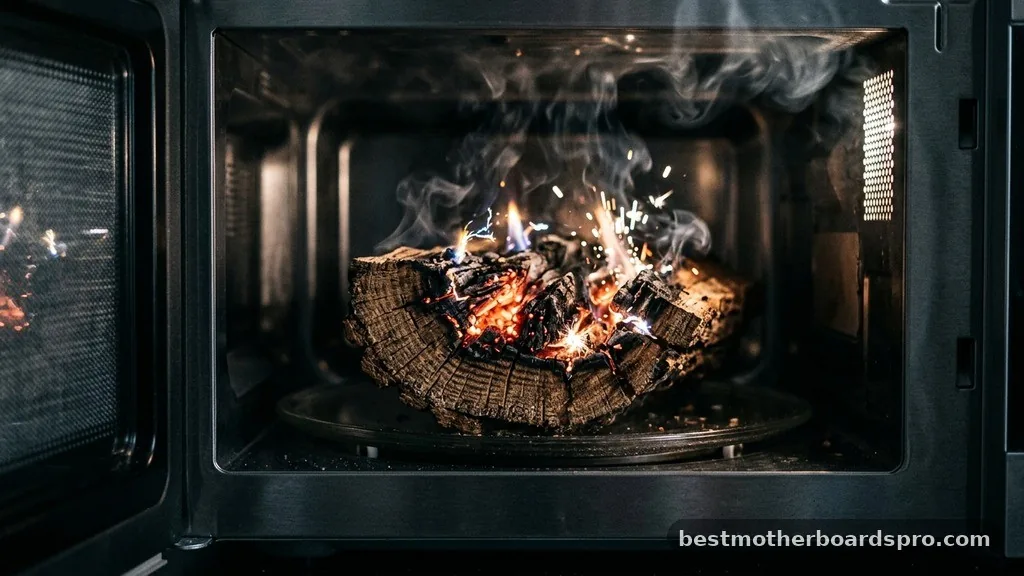
Microwaves work by exciting water molecules within food, causing them to vibrate and generate heat. Because wood is porous and contains varying levels of moisture, it behaves unpredictably when exposed to these waves. Even if a wooden object feels dry to the touch, it often holds microscopic pockets of water deep within its cellular structure.
When you place wood inside the appliance, those trapped water molecules begin to heat up rapidly. If the wood is not properly sealed or if it has aged, the internal pressure can lead to structural compromise.
You aren’t just heating the food inside; you are essentially boiling the internal moisture of the wood itself. This process often leads to significant damage, even if the item doesn’t catch fire immediately.
The Risks of Microwaving Wooden Items
The primary concern when questioning if wood can go in the microwave involves safety and longevity. Most manufacturers advise against it because the intense heat can cause a variety of issues that ruin the aesthetic and functional quality of your kitchenware.
- Cracking and Splitting: Rapid moisture loss causes the wood to shrink unevenly, leading to visible cracks.
- Fire Hazard: Extremely dry wood or items with old, flammable finishes can potentially ignite if left in for too long.
- Warping: Uneven heating causes the wood to bend or twist, making it unstable for serving.
- Finish Degradation: Many wooden bowls are treated with oils, lacquers, or varnishes that can melt, blister, or release toxic fumes when heated.
Why Moisture Content Matters
Natural wood is a living material that constantly exchanges moisture with its environment. A wooden bowl that has been used for years might be saturated with oils or food particles, while a brand-new item might be bone dry. Neither scenario is ideal for microwave use.
When the moisture content is high, you risk steam pressure building up inside the grain, which creates those annoying cracks. When the moisture content is very low, the wood becomes brittle and susceptible to charring. The heat generated by the microwave can quickly exceed the combustion point of dry wood, especially if the piece is thin or has sharp edges.
Comparing Microwave-Safe Materials
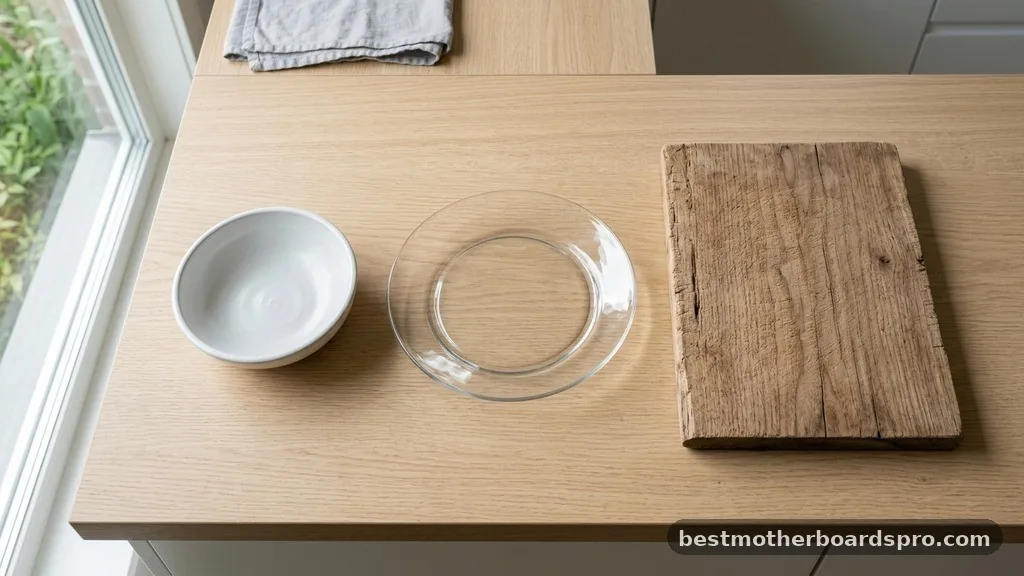
To help you visualize why wood is generally avoided, consider how it stacks up against standard kitchen materials. The following table highlights why other materials are preferred for reheating food.
| Material | Microwave Suitability | Reasoning |
|---|---|---|
| Glass | Excellent | Non-porous and does not absorb microwave energy. |
| Ceramic | Good | Generally safe, provided there are no metallic glazes. |
| Wood | Poor | Porous; absorbs moisture and risks cracking or burning. |
| Plastic | Variable | Only safe if labeled “microwave safe” to avoid chemical leaching. |
Addressing Topical Gaps: Bamboo and Treated Wood
A common question arises regarding bamboo and finished wooden items. Many people assume that because bamboo is a grass, it is exempt from the rules that apply to timber.
However, bamboo products often contain glues and resins to hold the shape of the bowl or utensil. These adhesives are rarely tested for high-heat microwave performance and can break down, potentially leaching chemicals into your food.
Furthermore, if you have a wooden bowl with a glossy finish, that finish is likely a sealant meant to protect the wood from water. Microwaving it can cause the sealant to bubble or peel.
Once the protective layer is compromised, the wood becomes even more porous, making it impossible to clean properly and increasing the risk of bacterial growth. Even if the item doesn’t break, you are essentially ruining the finish every time you subject it to the intense heat of the appliance.
Best Practices for Wood Care
If you want your wooden serving pieces to last for decades, it is best to keep them far away from the microwave. Instead, use them solely for their intended purpose: serving dry or room-temperature foods. If you need to reheat something, transfer the contents to a microwave-safe glass or ceramic dish.
Proper care also involves regular maintenance. Keep your wooden items away from the dishwasher, as the combination of high heat and prolonged soaking will cause the wood to swell and eventually split.
Instead, hand wash your items with mild soap and warm water, then dry them immediately with a towel. Periodically applying a food-grade mineral oil will help maintain the finish and keep the wood from becoming too dry, which is the best defense against accidental damage.
Frequently Asked Questions
Can I microwave wooden skewers if I soak them first?
While soaking wooden skewers in water for 20 to 30 minutes can prevent them from burning immediately, it is still a risky practice. They can still char or break, and they are intended for single-use purposes in the oven or on a grill rather than the microwave.
Is it safe to microwave bamboo utensils?
It is generally not recommended to microwave bamboo. While it is more heat-resistant than some softwoods, the glues and resins used in manufacturing bamboo items can degrade under high heat. This might lead to the release of unwanted substances into your food or the warping of the item.
Why do some wooden bowls crack after being microwaved?
Wooden bowls crack because the microwave heats the moisture trapped inside the wood fibers. As this water turns to steam, it expands rapidly, putting pressure on the wood cells. This internal pressure, combined with the rapid drying of the wood, causes the material to split and warp.
Are there any types of wood that are microwave safe?
There is no such thing as “microwave-safe” wood. While some dense, high-quality hardwoods might survive a few seconds of exposure without visible damage, the internal cellular structure will eventually degrade. It is always safer to use glass, ceramic, or silicone containers for heating food.
Conclusion
Ultimately, the question of whether wood can go in the microwave is simple: it should be avoided to prevent damage to your kitchenware and ensure food safety. Although wood is a beautiful, natural material for serving, it lacks the thermal stability required to withstand the intense, fluctuating heat of microwave energy. By transferring your food to appropriate containers, you preserve the integrity of your wooden bowls and utensils for years to come.
Treat your wooden items with care, keep them away from high-heat appliances, and they will remain a functional part of your kitchen collection. If you have any specific items you are unsure about, it is always best to check the manufacturer’s care instructions provided at the time of purchase.