
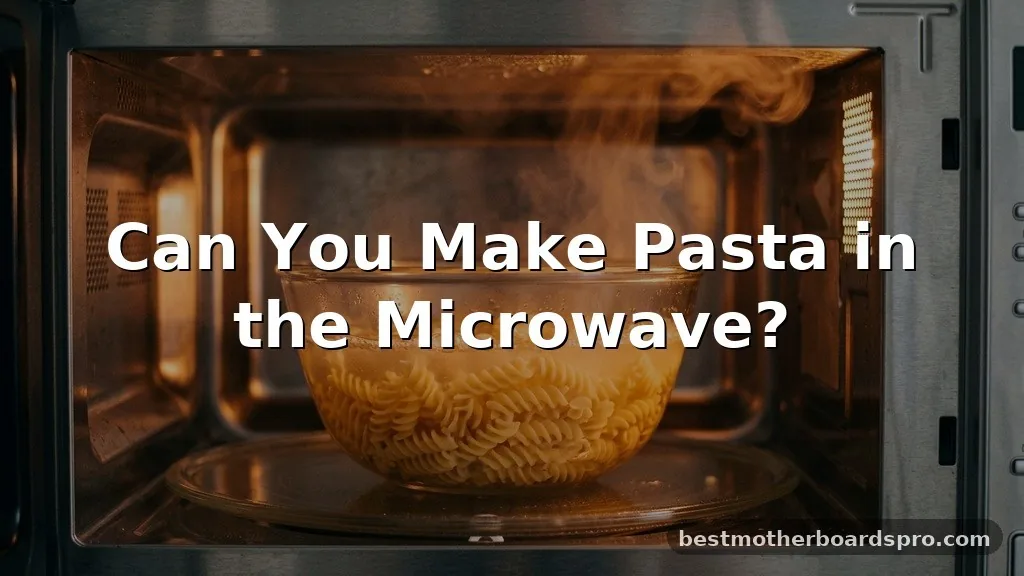
Finding yourself in a kitchen without a stove doesn’t have to mean resorting to cold snacks or takeout. Knowing whether you can make pasta in the microwave is a game-changer for dorm living, office lunch breaks, or those evenings when the stovetop is already crowded. While traditional boiling is the standard, the microwave is a surprisingly capable tool for softening noodles when you understand the mechanics of starch hydration.
You can achieve perfectly edible results by adjusting your technique, provided you account for the unique way microwaves interact with water and grain. This approach offers a convenient, low-effort alternative to the classic boiling pot method for anyone seeking a quick meal.
The Mechanics of Microwave Pasta Cooking
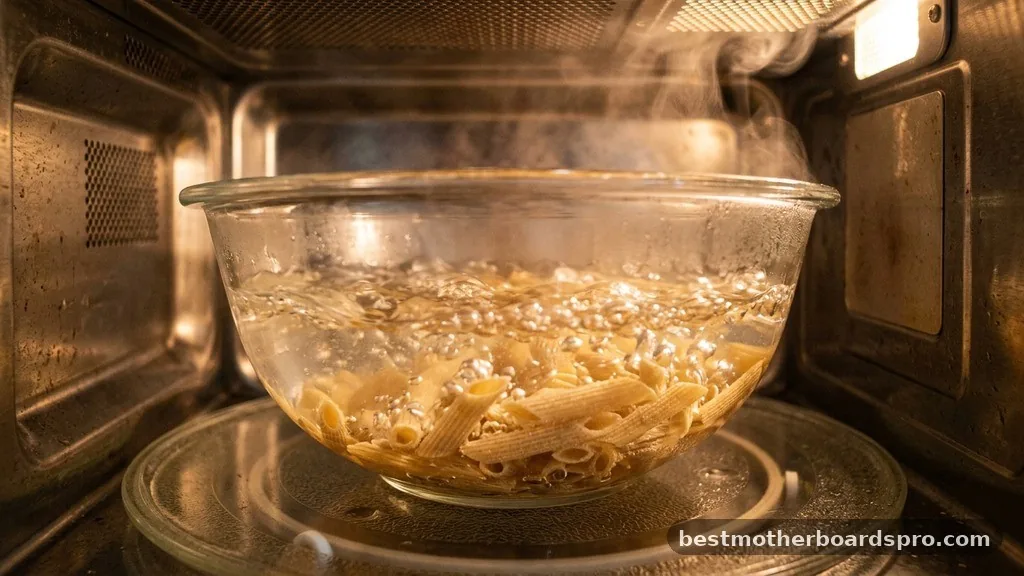
To understand if you can successfully make pasta in the microwave, you must first look at how heat transfer works in this appliance. Unlike a stove, which heats a large pot of water from the bottom, a microwave excites water molecules directly.
This energy creates rapid vibration, which generates heat through friction. When you submerge noodles in a bowl of water, the microwave heats the liquid until it boils, effectively cooking the starch from the outside in.
The primary challenge is maintaining a consistent boil. Because microwaves don’t provide the steady, high-heat output of a gas or electric burner, the water temperature can fluctuate.
To ensure the texture is right, you need enough water to fully submerge the dry pieces. If you don’t use enough fluid, the starch will dehydrate and burn before the center of the noodle softens.
Choosing the Right Pasta for Microwave Success
Not all shapes perform equally well when subjected to microwave radiation. Smaller, shorter shapes generally yield the best results because they fit easily into standard bowls and cook more evenly. Long noodles like spaghetti often struggle because they might not fully submerge in a circular bowl, leading to unevenly cooked, crunchy centers.
- Penne: Its tubular shape allows water to circulate inside, making it ideal for microwave preparation.
- Fusilli: The corkscrew design creates ridges that trap heat and moisture, ensuring a consistent texture.
- Macaroni: Being small and compact, these cook quickly without requiring excessive water volume.
- Farfalle: While thicker in the middle, these can be cooked effectively if you stir them halfway through the process.
Step-by-Step Guide to Cooking Noodles
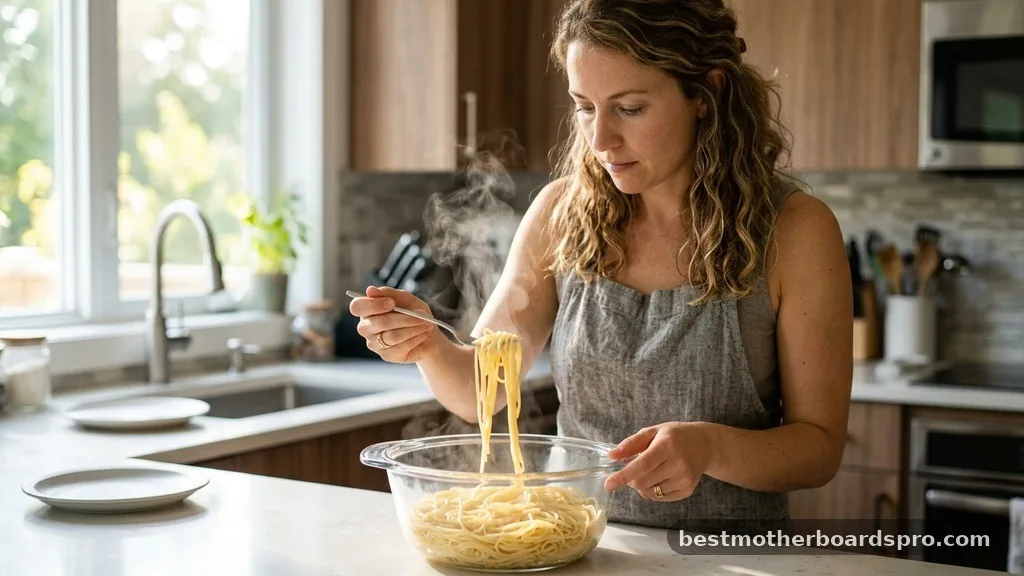
If you want to cook pasta in the microwave, preparation is key. Start by selecting a large, microwave-safe bowl. It is vital to use a container that is much larger than you think you need, as the starchy water will bubble up and potentially spill over the sides during the boiling process.
Place your dry noodles into the bowl and cover them with hot water. Using pre-boiled water from a kettle significantly reduces the total time needed, as the microwave doesn’t have to spend energy bringing the cold water up to a boil.
Ensure the water line is at least an inch above the top of the noodles. Microwave on high for approximately 8 to 12 minutes, depending on the wattage of your device and the thickness of the grain.
| Pasta Type | Cooking Time (Approx) | Water Ratio |
|---|---|---|
| Penne | 10-12 Minutes | 2:1 (Water to Pasta) |
| Macaroni | 8-10 Minutes | 2:1 (Water to Pasta) |
| Spaghetti | 12-14 Minutes | 3:1 (Water to Pasta) |
Addressing Common Topical Gaps
Many people wonder if they can add sauce directly to the bowl while cooking. The short answer is that it’s generally better to wait. Adding tomato-based sauces early can create hot spots and lead to splattering, which makes cleaning your microwave a nightmare.
Furthermore, the acidity in some sauces can interfere with the starch gelatinization, potentially leading to a gummy or uneven texture. It is always better to cook the noodles in plain, salted water, drain them carefully, and then stir in your favorite sauce afterward.
Another gap in common knowledge involves the “don’t” list of microwave cooking. Never attempt to heat dry noodles without any water. This will not result in toasted pasta; instead, the dry starch will reach its flash point, leading to scorching, smoke, and potential damage to your appliance.
Always ensure the noodles are fully submerged. If you find the water level dropping too low during the cycle, pause the machine, add a splash of boiling water, and continue.
Managing Texture and Starch
The quality of the final dish often comes down to how you manage the starchy foam. As the noodles cook, they release starch into the water, which creates a thick, foamy layer on the surface.
If this foam isn’t managed, it can cause the water to boil over. Use a large bowl to provide head space, and consider placing a microwave-safe plate underneath to catch any minor spills.
Once the time is up, check the texture before draining. If the center still has a hard, white core, return it to the microwave for 60-second intervals. Once finished, drain the water carefully using a colander.
Because the bowl will be extremely hot, use oven mitts or a thick towel to handle it. Adding a small amount of butter or olive oil immediately after draining will prevent the pieces from sticking together as they cool.
FAQ Section
Is it safe to cook pasta in the microwave?
Yes, it is perfectly safe as long as you use a microwave-safe bowl and ensure the noodles are fully submerged in water. Always use caution when removing the container, as the water and the bowl will be extremely hot and can cause steam burns if handled improperly.
Do I need to add salt to the water?
Adding salt to the water helps season the noodles from the inside out, just like boiling on a stove. While it isn’t strictly necessary for the cooking process to occur, it significantly improves the flavor of the final dish, especially if you are using a simple sauce.
Can I cook different shapes at the same time?
It is best to avoid mixing shapes in the same bowl. Different types of pasta have varying densities and thicknesses, meaning they require different cooking times. Mixing them will inevitably lead to some pieces being overcooked and mushy while others remain undercooked and crunchy.
How do I prevent the water from boiling over?
Use a container that is significantly larger than the volume of your noodles and water. This provides extra space for the bubbling liquid to expand without spilling. Additionally, you can stir the contents every few minutes to break up the surface tension of the starchy foam.
Conclusion
Mastering the art of microwave cooking opens up new possibilities for quick, simple meals when traditional appliances aren’t available. By choosing the right shapes, ensuring proper water coverage, and managing the boiling process, you can achieve results that are surprisingly close to stovetop methods. While it might not replace your favorite pot for elaborate Italian feasts, the ability to make pasta in the microwave is a handy skill for any modern kitchen.
Experiment with different varieties and sauces to find your preferred timing, and you’ll find that convenient, warm meals are always within reach. Next time you’re short on time or equipment, don’t hesitate to lean on your microwave for a reliable, satisfying dinner.