
Determining whether you can microwave styrofoam cups is a common concern for anyone grabbing a quick cup of coffee or reheating leftovers on the go. While these foam vessels are convenient for keeping drinks hot, they aren’t always built to handle the intense energy cycles of your kitchen appliance.
Understanding the material science behind these items is the best way to avoid potential health risks or a melted mess in your microwave. This article breaks down the realities of using expanded polystyrene in high-heat environments so you can make informed choices about your kitchen habits.
Understanding the Material Composition of Styrofoam
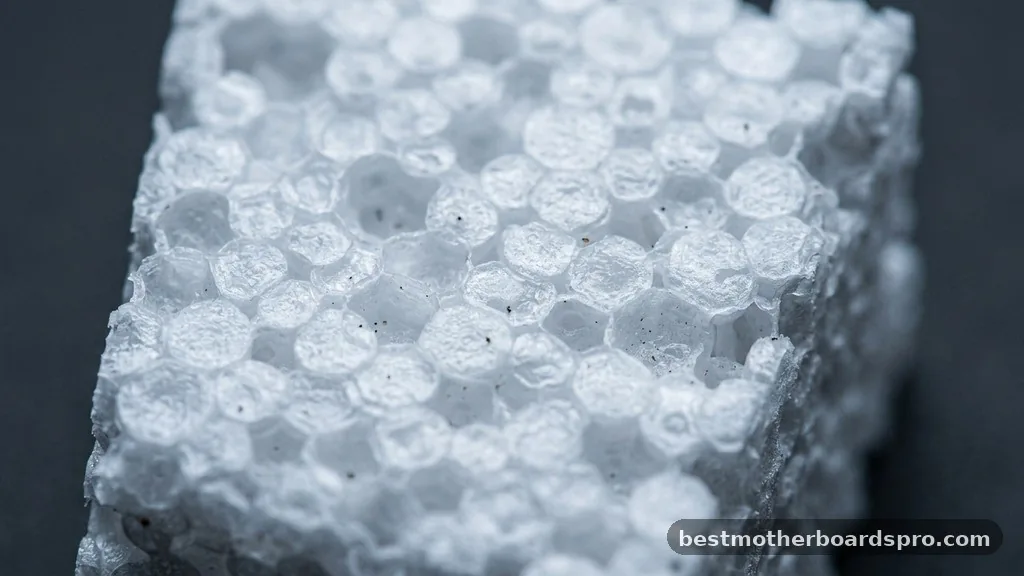
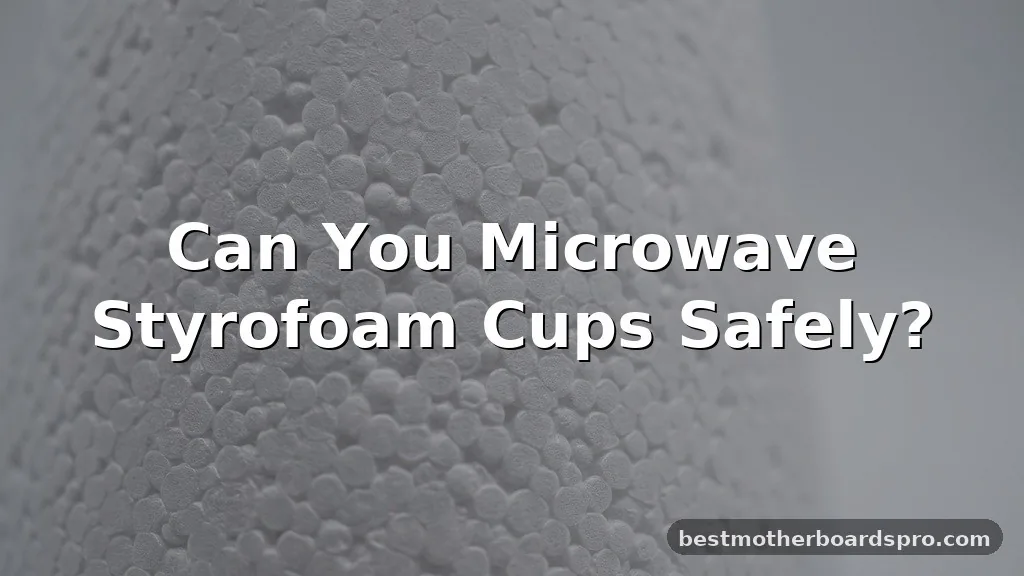
Styrofoam is a brand name often used generically to describe expanded polystyrene, or EPS foam. It is a lightweight, rigid plastic foam made from petroleum-based styrene monomers.
Because of its excellent insulating properties, it has become the standard for disposable coffee cups and takeout food containers. However, the structure of this material is fundamentally different from microwave-safe plastics like polypropylene.
When you expose this plastic foam to high temperatures, it undergoes a physical change. The material is designed to be stable at room temperature or when holding hot liquids, but it lacks the thermal resistance required to withstand direct microwave radiation. Molecules within the plastic begin to vibrate rapidly, causing the structure to lose its integrity long before the liquid inside reaches a boil.
Why Microwaving Foam Containers is Risky
The primary concern when asking if you can microwave styrofoam cups centers on the potential for chemical leaching and structural failure. Microwaves work by agitating water molecules, creating friction and heat. When a container is not rated as microwave-safe, this heat can soften the plastic.
Structural Instability and Melting
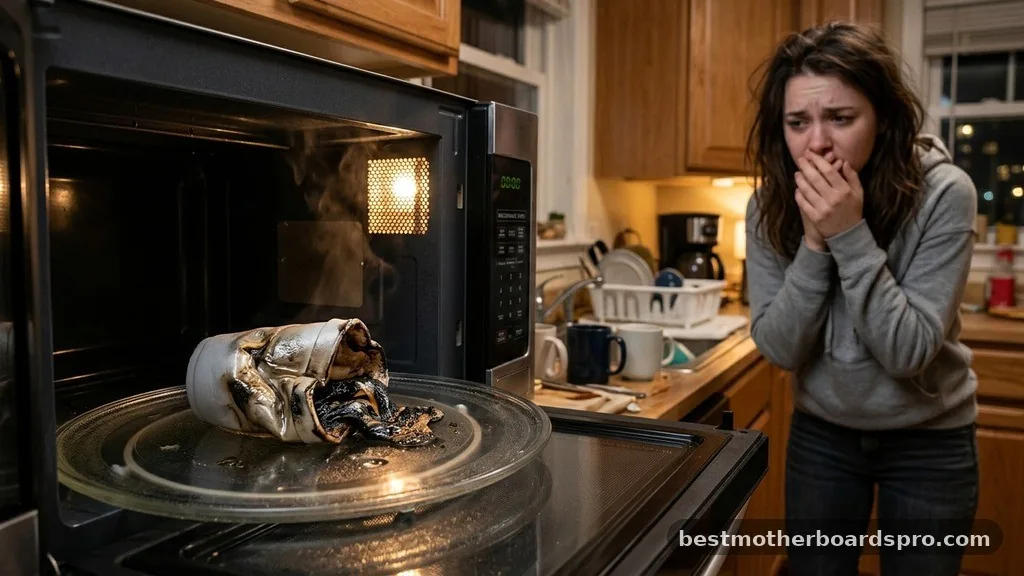
As the foam heats up, it loses its shape. You might notice the cup dimpling, shrinking, or even completely melting into your microwave turntable.
This doesn’t just ruin the cup; it creates a safety hazard. If the structural wall of the cup fails, the hot liquid inside can spill, leading to accidental burns.
Chemical Leaching Concerns
There is ongoing scientific discussion regarding the migration of styrene into food or beverages when heated. Styrene is a building block used to make polystyrene.
While the amount of chemical transfer during a short heating cycle is often debated, experts generally advise against exposing these food containers to temperatures that cause visible warping. If the cup is warping, it is a clear sign that the plastic is breaking down at a molecular level.
Identifying Microwave-Safe Alternatives
If you need to heat liquids, it is better to rely on materials that are chemically inert and heat-resistant. Manufacturers often use specific indicators to help consumers identify which items are safe for high-heat applications. Always check the bottom of your dishware for a recycling symbol or a specific “microwave-safe” label.
| Material Type | Microwave Suitability | Heat Resistance |
|---|---|---|
| Expanded Polystyrene (Styrofoam) | Not Recommended | Low (Melts/Warps) |
| Polypropylene (Plastic #5) | Generally Safe | High |
| Ceramic/Porcelain | Safe | Very High |
| Glass (Borosilicate) | Safe | Very High |
Addressing Common Misconceptions
Many people assume that because they can put a cup of hot coffee into a styrofoam container, the microwave should be fine. This is a dangerous comparison.
A hot beverage poured into a cup is essentially a static thermal load. A microwave, however, introduces electromagnetic energy that excites the plastic itself, not just the liquid.
- The 30-second myth: Some believe that if you keep the cycle under 30 seconds, you are safe. Even short bursts can create “hot spots” where the plastic reaches its melting point rapidly.
- The “it didn’t melt” fallacy: Just because a cup didn’t collapse doesn’t mean it didn’t release chemicals. Visible damage is the final stage of failure, not the only stage.
- The label confusion: People often mistake the resin identification code (usually a number inside a triangle) for a microwave-safe symbol. These numbers only indicate the type of plastic, not its thermal properties.
Safety Standards and Labeling
The industry relies on standardized testing to determine if a container is microwave-safe. These tests involve subjecting the material to high heat and measuring the amount of chemical migration into food simulants. Most foam manufacturers do not perform these tests on their standard cups because they are intended for single-use, room-temperature, or already-hot service, not for the microwave.
If you are ever in doubt, the safest approach is to transfer your beverage or food into a glass or ceramic mug before heating. This eliminates the risk of melting plastic and ensures that no unwanted compounds enter your food. When you choose to skip the foam, you are prioritizing both your appliance’s cleanliness and your own health.
Addressing Topical Gaps: Why Some Foam Seems Fine
You may have seen specific foam containers labeled as “microwave-safe.” This causes significant confusion.
Certain specialized foam products are treated or manufactured with higher-density polymers that can handle heat better than the standard thin-walled cups you find at a local coffee shop. These are typically thicker, rigid containers intended for reheating.
However, the vast majority of disposable cups are not made this way. The gap in consumer knowledge often stems from the fact that “Styrofoam” is used as a catch-all term for many different types of foam.
If a product does not explicitly state it is safe for the microwave on the packaging, you should treat it as non-microwaveable. Never assume that a generic cup has the same thermal properties as a specialized, microwave-rated container.
FAQ Section
Are all styrofoam cups created equal?
No, there is a significant difference between standard, thin-walled disposable cups and specialized, heat-resistant foam containers. While some high-density foam products are engineered for reheating, the standard cups provided by most cafes are not designed for microwave use and can easily melt or warp during heating.
Is it safe to reheat coffee in a styrofoam cup?
Reheating coffee in these cups is not recommended. The intense energy from the microwave can cause the plastic to soften, leading to potential spills or the migration of chemicals into your drink. It is much safer to pour your coffee into a ceramic mug before starting the microwave.
What should I do if I accidentally microwaved a styrofoam cup?
If you accidentally microwaved a cup and it shows signs of melting or warping, discard it immediately. Do not consume any food or drink that was inside, as the heat may have caused chemical leaching. Clean your microwave turntable thoroughly to remove any plastic residue that may have adhered to the glass.
How can I tell if my container is microwave-safe?
Look for a “microwave-safe” symbol, which usually depicts a box with wavy lines inside. If you do not see this label or a clear manufacturer statement, assume the item is not safe. When in doubt, it is always better to transfer your food to a glass or ceramic dish.
Final Thoughts on Microwave Safety
Making the right choice about whether you can microwave styrofoam cups comes down to prioritizing safety and quality. While the convenience of a quick reheat is tempting, the risk of structural failure and chemical leaching is not worth the potential consequences. By sticking to glass, ceramic, or clearly labeled microwave-safe plastics, you ensure that your food and beverages remain free from unwanted plastic residues.
If you find yourself frequently needing to reheat drinks, consider investing in a high-quality, reusable ceramic mug or a glass vessel. These options provide excellent heat retention and are completely free from the risks associated with heating foam products.
Making this small change in your daily routine is a simple, effective step toward a healthier kitchen environment. We hope this overview helps you feel more confident in your choices—feel free to share your own experiences with microwave safety in the comments below.