
Mastering the art of reheating food without a microwave is a practical skill that transforms your leftovers from soggy, uneven messes into meals that taste just as fresh as when they were first prepared. While modern kitchens rely heavily on rapid heating technology, many find that alternative methods provide superior texture and flavor profiles.
Whether you are at home or looking for ways to handle lunch at work, understanding how to apply indirect heat or steam is essential for maintaining food quality. You will discover that taking a few extra minutes to warm your meal properly prevents common issues like rubbery proteins or dried-out starches, ensuring you get the most out of every bite.
Why Conventional Heating Methods Often Fail
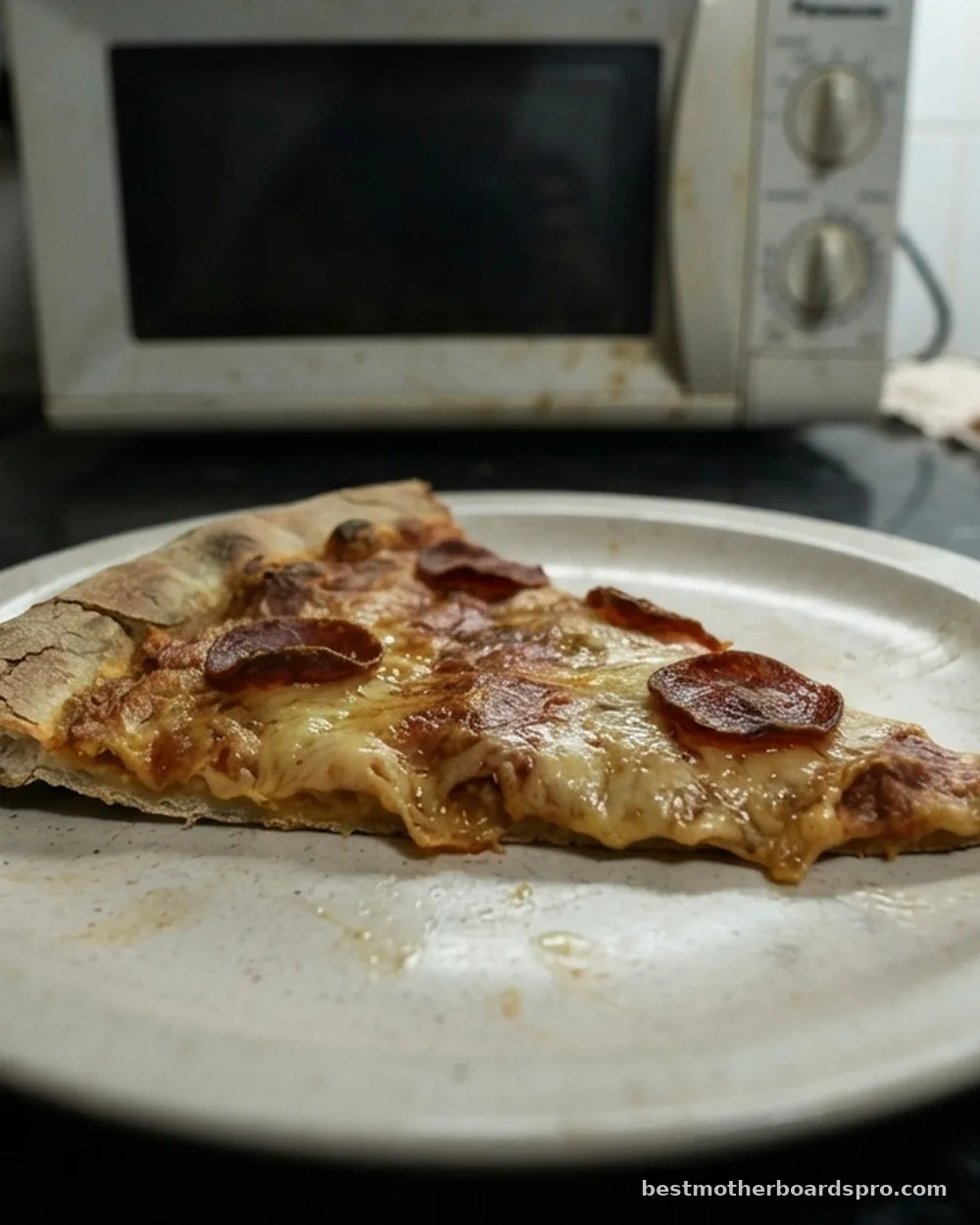
Microwaves function by agitating water molecules, which creates friction and generates heat. While this is fast, it is rarely uniform.
You have likely experienced the frustration of biting into a piece of chicken that is scorching hot on the outside but freezing cold in the center. This happens because microwaves penetrate only a few centimeters into the food, leaving the rest to rely on conductive heat transfer.
By moving away from this technology, you gain precise control over the temperature. You avoid the “steaming effect” that turns crispy bread or roasted vegetables into mush. When you choose to reheat food without a microwave, you treat the ingredients with the respect they deserve, preserving their cellular integrity and original seasoning profiles.
The Stovetop: The Gold Standard for Reheating
The stovetop remains the most reliable tool for warming almost anything. It offers a combination of direct heat and the ability to add moisture, which is critical for restoring the texture of stews, pasta, and proteins. When you use a pan, you are essentially re-cooking the meal slightly, which allows for better flavor integration.
Techniques for Liquid-Based Dishes
For soups, stews, or sauces, a small saucepan is your best friend. Start on low heat to prevent the bottom from scorching. If the mixture looks thick or dry, add a tablespoon of water or broth.
This creates a small amount of steam that gently warms the dish throughout without burning the edges. Stir frequently, as this distributes the heat evenly and ensures the center reaches a safe temperature.
Restoring Crispy Textures
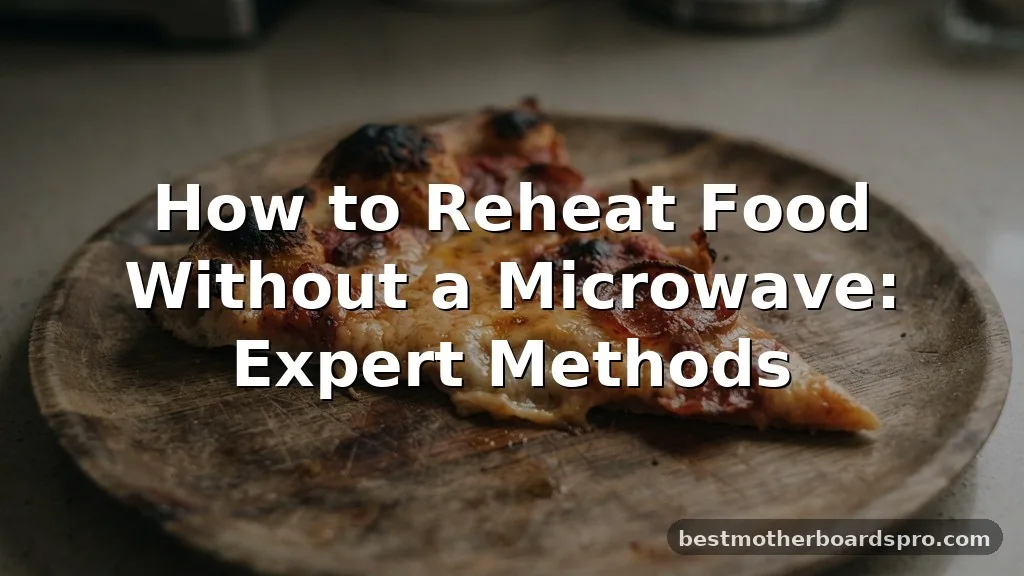
If you are dealing with pizza, fried chicken, or roasted vegetables, avoid the pot. Use a heavy-bottomed skillet over medium-low heat. Place the food in the pan and cover it with a lid.
The lid traps the heat, while the pan crisps the bottom. If the food is particularly dry, a tiny splash of water in the corner of the pan—away from the food—will create a quick burst of steam to soften the interior before the base crisps up.
Using the Oven for Large Portions
When you have a large amount of leftovers, the oven is far more efficient than the stovetop. It provides a consistent ambient temperature that surrounds the dish. This is ideal for casseroles, lasagnas, or large roasts that would dry out if subjected to the intense, localized heat of a burner.
To keep food moist, always tent your dish with aluminum foil. This prevents the top from drying out or burning while the interior warms through. If you want to achieve a golden-brown crust, remove the foil for the last five minutes of the heating process.
| Food Type | Best Method | Key Tip |
|---|---|---|
| Pasta & Grains | Stovetop | Add a splash of water or oil |
| Roasted Meat | Oven | Cover with foil to retain moisture |
| Pizza | Skillet | Use a lid to trap heat |
| Vegetables | Steamer basket | Avoid overcooking |
The Steam Method: Gentle and Effective
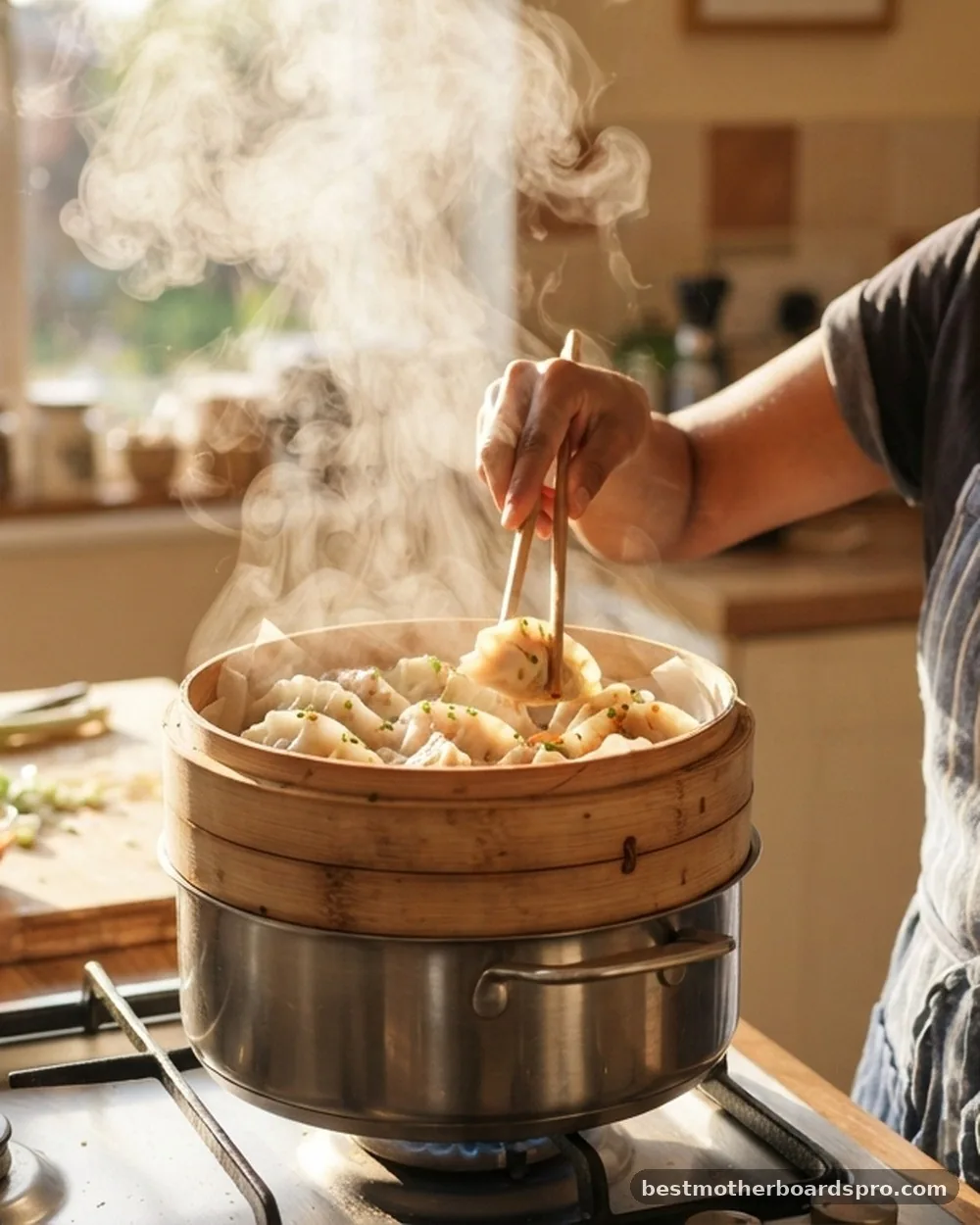
Steaming is an underrated technique for reheating delicate items. It is particularly effective for vegetables, dumplings, and even fish. Because steam is moist by nature, it eliminates the risk of your food drying out.
To set up a basic steamer, place a small amount of water in a pot and bring it to a simmer. Place your food in a heat-proof basket or colander above the water line. Cover the pot tightly.
The rising vapor will gently warm the food without stripping away its natural juices. This method is often better than any other for keeping broccoli or asparagus bright and crisp.
Addressing Topical Gaps: Reheating at Work
Many people struggle with the limitation of only having access to a breakroom microwave. However, there are ways to improve your lunch experience even in a corporate environment. If you have access to a toaster oven, use it.
If not, consider investing in a portable electric lunch box. These devices plug into a standard outlet and slowly warm your food over 30 to 45 minutes, resulting in a much higher quality meal than a rapid blast of radiation.
- Invest in high-quality, heat-safe glass containers for better conduction.
- Use an insulated lunch bag to keep items at a stable temperature until you are ready to eat.
- Avoid reheating fish or heavily spiced foods in shared spaces if ventilation is poor.
- Consider cold-prep meals like salads or grain bowls that do not require heating at all.
- Use a thermos to keep soups hot from the morning until lunchtime.
Safety Considerations for Leftovers
Regardless of the method you choose, food safety must remain a priority. Bacteria thrive in the “danger zone,” which is between 40°F and 140°F. When you are not using a microwave, you must be extra vigilant about internal temperatures.
Ensure that your food is heated until it is steaming hot throughout. If you are reheating a large portion, move it around the pan or stir it to ensure there are no cold spots. Never leave food out on the counter to “take the chill off” before heating; always move it directly from the refrigerator to the heat source.
Frequently Asked Questions
Is it safe to reheat food on the stovetop?
Yes, it is perfectly safe and often superior to other methods. The key is to use low to medium heat and stir the food regularly to ensure even temperature distribution throughout the dish, which prevents cold spots where bacteria might survive or multiply during the warming process.
What foods should I avoid reheating?
You should generally avoid reheating delicate greens like spinach or arugula, as they turn into mush. Additionally, some seafood and mushrooms can become rubbery or develop off-flavors if not handled with extreme care. Always prioritize food quality and safety when deciding which leftovers to save for later.
How can I keep pizza crispy without a microwave?
The best way to reheat pizza is in a dry skillet over medium-low heat. Placing the slice in the pan and covering it with a lid allows the crust to crisp up while the cheese melts gently. Avoid the oven if you want a faster, crunchier result.
Can I reheat food in a glass container on the stove?
You should never place glass directly on a stovetop burner, as it can shatter due to thermal shock. Always transfer your food to a metal pot or pan. If you must use glass, ensure it is specifically labeled as stovetop-safe, which is rare for standard kitchen storage containers.
Conclusion
Transitioning away from rapid-heating appliances opens up a world of better textures and flavors. By utilizing your stovetop, oven, or a simple steamer, you ensure that your leftovers maintain their integrity. Whether you are at home or seeking creative solutions for reheating food without a microwave at work, these methods prove that a little extra effort yields significant rewards.
Proper moisture control and steady heat application are the secrets to a meal that tastes as good as the first time. Start experimenting with these techniques today, and you will find yourself enjoying your leftovers much more than you ever did before. Embracing these traditional approaches makes every meal a quality dining experience.