
Determining whether your favorite coffee mug can withstand a spin in the kitchen appliance is a common concern for most households. While most standard drinkware is designed for daily use, knowing if ceramic mugs are microwave safe requires looking beyond the material itself. Factors like decorative finishes, age, and manufacturing quality play a massive role in how a vessel reacts to electromagnetic waves.
By understanding these nuances, you can avoid cracked pottery, exploding handles, or even minor electrical arcing. This article breaks down exactly what you need to look for so you can enjoy your morning tea or coffee without worrying about the integrity of your kitchenware.
The Science of Microwaving Ceramic Materials
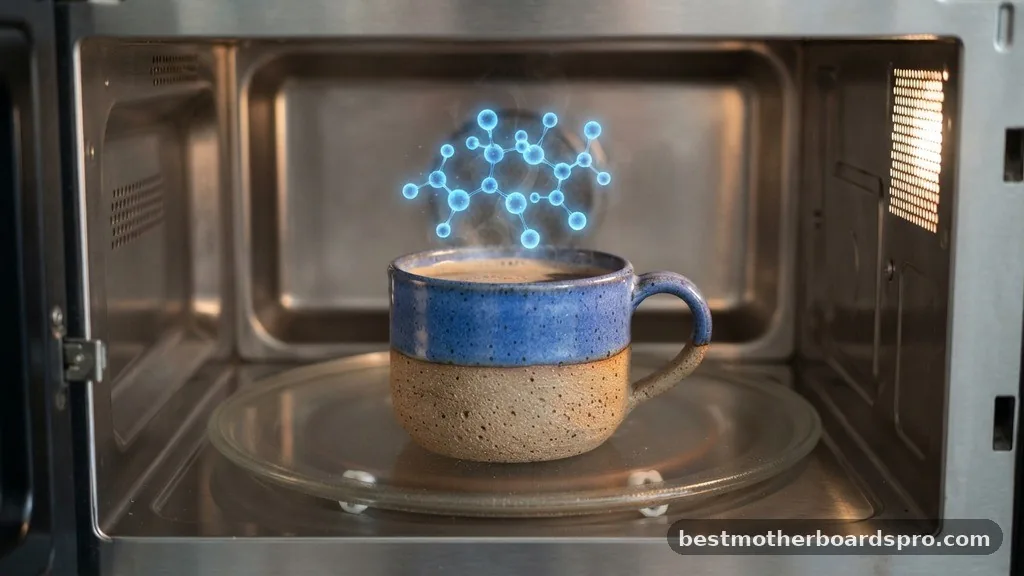
At its core, a ceramic mug is made from clay that has been hardened by heat. Most modern ceramics are naturally microwave-safe because they do not contain free electrons that respond to microwave radiation. When you place a standard piece of pottery in the microwave, the waves pass through the material, heating only the liquid inside.
However, the safety profile changes when you introduce other elements. If a mug contains metallic components or certain types of pigments, the microwave energy interacts with those atoms differently. This leads to the buildup of heat within the mug walls rather than the beverage, which can cause the vessel to shatter.
Identifying If Your Mug Is Microwave Safe
The easiest way to determine if your drinkware is suitable for the appliance is to look for a manufacturer’s stamp on the bottom. Most reputable companies test their products and include a “microwave safe” icon or text label. If you do not see a mark, it does not automatically mean the item is dangerous, but it does mean you should proceed with caution.
- Check for the official microwave-safe symbol: usually a square with wavy lines.
- Inspect the rim and handle for any metallic paint or gold leaf accents.
- Avoid using vintage or antique ceramic mugs, as they may contain lead-based glazes.
- Perform a quick heat test: microwave the empty mug for 30 seconds; if it feels hot to the touch, it is not microwave-safe.
Why Metallic Decorations Cause Issues
One of the most common reasons a ceramic mug fails the microwave test is the presence of metallic decorations. Many coffee mugs feature beautiful gold, silver, or copper rims to give them a premium appearance. While these look great on a table, they are essentially thin strips of conductive metal.
When these metallic decorations are exposed to microwaves, they act like a lightning rod. The energy induces an electric current in the metal, which can cause sparks or arcing.
Not only can this permanently damage your mug by burning the finish, but it can also scratch or ruin the interior walls of your microwave. If you see even a small line of gold trim, keep that mug away from the machine.
The Role of Glazes and Manufacturing Quality

The glaze on a ceramic mug is a thin, glass-like coating that makes the surface non-porous and easy to clean. High-quality, food-grade glazes are generally stable under heat. However, cheaper or older glazes can sometimes contain heavy metals or micro-fractures.
If a glaze has tiny cracks—known as crazing—water can seep into the porous clay body underneath. When you heat the mug, that trapped moisture turns into steam. Because there is nowhere for the steam to escape, it exerts internal pressure on the ceramic, which can cause the handle to pop off or the entire mug to crack in half.
| Feature | Microwave Safety Status | Risk Level |
|---|---|---|
| Plain, fully glazed ceramic | Safe | Very Low |
| Gold or metallic rim | Unsafe | High (Arcing) |
| Handmade, unglazed base | Variable | Moderate (Moisture absorption) |
| Vintage/Antique pottery | Unsafe | High (Lead/Chemical leaching) |
Addressing Topical Gaps: Handmade and Porous Pottery
Many people enjoy the aesthetic of handmade ceramic mugs, which often feature textured, unglazed surfaces. These items present a unique challenge.
Unlike mass-produced, vitrified stoneware, some handmade pottery remains slightly porous. If the clay is not fired at a high enough temperature, it retains microscopic air pockets or moisture.
When you use such a mug for a hot beverage, the uneven expansion of the clay can cause structural stress. If you own a piece of pottery that feels heavy, thick, or has an unglazed bottom that seems to absorb water, it is best to use it for cold drinks only. The risk of thermal shock is much higher with these artisanal pieces than with standard, store-bought coffee mugs.
What Happens During Thermal Shock
Thermal shock occurs when a material experiences a rapid temperature change, causing it to expand or contract unevenly. Ceramic is a brittle material, meaning it does not bend under pressure; it simply breaks. If you take a cold ceramic mug directly from the refrigerator and place it in a microwave, the sudden influx of heat can cause the material to fracture instantly.
To prevent this, allow your ceramic drinkware to reach room temperature before heating. This simple habit preserves the longevity of your favorite kitchen items and ensures that your morning routine remains stress-free.
FAQ: Common Questions About Ceramic Safety
Can I safely microwave a mug with a chip in it?
You should avoid microwaving any chipped ceramic mug. Chips often expose the porous clay body, which can absorb moisture. During heating, this moisture turns to steam and expands, potentially causing the chip to worsen or the entire mug to crack or explode under the thermal stress.
Is it safe to microwave handmade ceramic pottery?
Not all handmade pottery is microwave-safe. If the clay was not vitrified at a high temperature, it may be porous and prone to cracking.
Check if the artisan specifically labeled the item as microwave-safe. If you are unsure, it is safer to avoid using it in the microwave.
Why does my mug get hot but my coffee stays cold?
If your mug gets hot while the liquid remains cool, the ceramic material is likely absorbing the microwave energy. This indicates the mug contains materials that are not microwave-safe or the glaze is reacting to the radiation. You should stop using that specific mug for heating purposes immediately.
Do vintage ceramic mugs pose health risks in the microwave?
Vintage mugs often feature glazes containing lead or cadmium. When heated, these toxic elements can leach into your beverage.
Additionally, older manufacturing processes were not calibrated for modern microwave frequencies, making them unpredictable. For your health and safety, it is best to avoid using antique ceramic drinkware in microwaves.
Conclusion
Evaluating whether your ceramic mugs are microwave safe is a simple process that saves you from ruined dishes and potential kitchen hazards. By checking for metallic trims, inspecting for cracks, and being mindful of the material’s origin, you can easily identify which vessels belong in the microwave and which should stay on the shelf. Always prioritize items labeled as microwave-safe, especially when you are heating liquids for extended periods.
Taking these precautions ensures that your pottery remains in excellent condition for years to come. If you ever feel uncertain about a specific piece, it is always better to err on the side of caution and use a different container. Enjoy your hot beverages with peace of mind by following these straightforward guidelines every time you prepare a warm drink.