
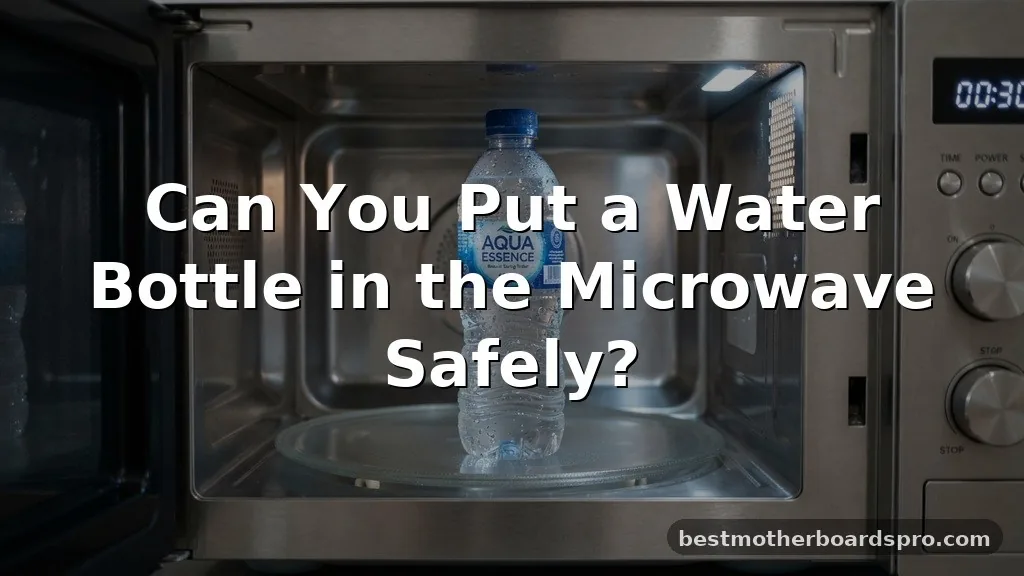
Deciding whether you can put a water bottle in the microwave often comes down to the specific materials used in its construction. While it might seem like a quick way to get hot water for tea or a heating pad, many common containers are simply not designed for the intense electromagnetic energy generated by your appliance.
Misjudging the composition of your gear can lead to warped plastic, melted seals, or even dangerous sparks if there is hidden metal involved. Before you press start, it is essential to identify exactly what your container is made of to ensure your kitchen remains safe and your beverage stays uncontaminated.
Understanding Material Safety in Microwaves
Most standard disposable water bottles are crafted from thin, single-use plastics like PET (polyethylene terephthalate). These are engineered for portability and cold storage, not for the high temperatures involved in microwaving. When these plastics encounter heat, they can begin to soften or leach chemicals into your liquid.
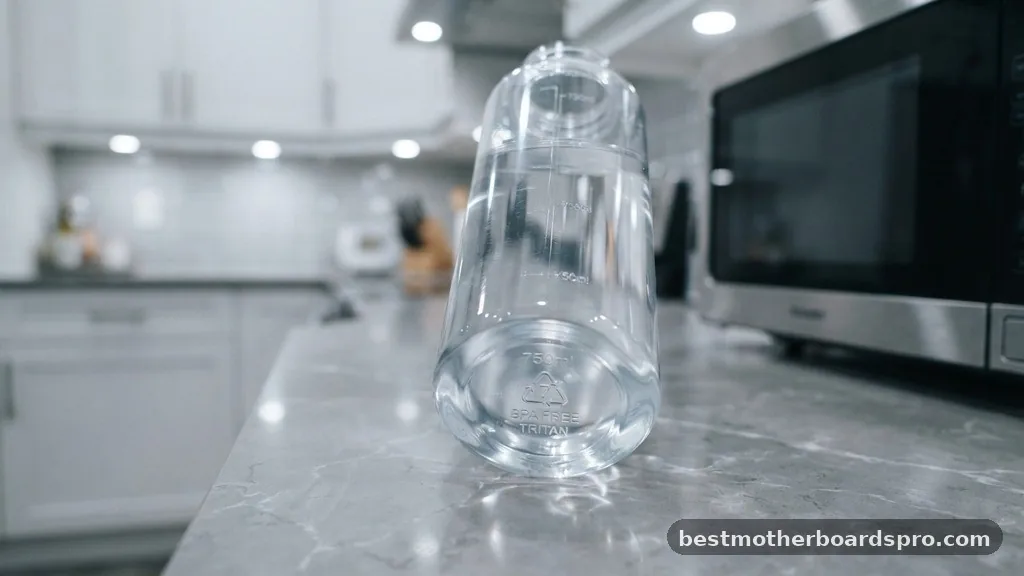
To determine if a vessel is appropriate, you must look for a “microwave safe” symbol on the bottom bottle. If that label is missing, the manufacturer has not tested or certified the item for high-heat environments.
The Risks of Heating Plastic
Microwaving plastic that isn’t rated for the task often results in structural failure. Even if the bottle doesn’t melt instantly, the heat can cause the plastic to deform, which might compromise the seal of the lid. Leaching is another major concern, as heating plastic accelerates the migration of additives like phthalates or bisphenols into your water.
This is particularly relevant if you are heating water for consumption. Always prioritize materials that are chemically inert when exposed to high temperatures.
| Material Type | Microwave Suitability | Primary Risk |
|---|---|---|
| Disposable PET Plastic | Not Recommended | Melting and chemical leaching |
| Borosilicate Glass | Generally Safe | Thermal shock if handled poorly |
| Stainless Steel | Never | Arcing, sparks, and appliance damage |
| High-Density Polypropylene | Usually Safe | Potential for warping if overheated |
Why Metal and Microwaves Don’t Mix
You should never put a stainless steel water bottle in the microwave under any circumstances. Metal reflects microwave energy, which prevents the water inside from heating up and, more importantly, creates an electrical charge on the surface of the container. This interaction often leads to arcing, where sparks jump between the bottle and the walls of the microwave.
This is a severe fire hazard and can permanently damage the magnetron, which is the heart of your appliance. Even if the bottle has a small metal logo or a metallic rim, it can cause significant issues during a heating cycle.
The Truth About Insulated Containers
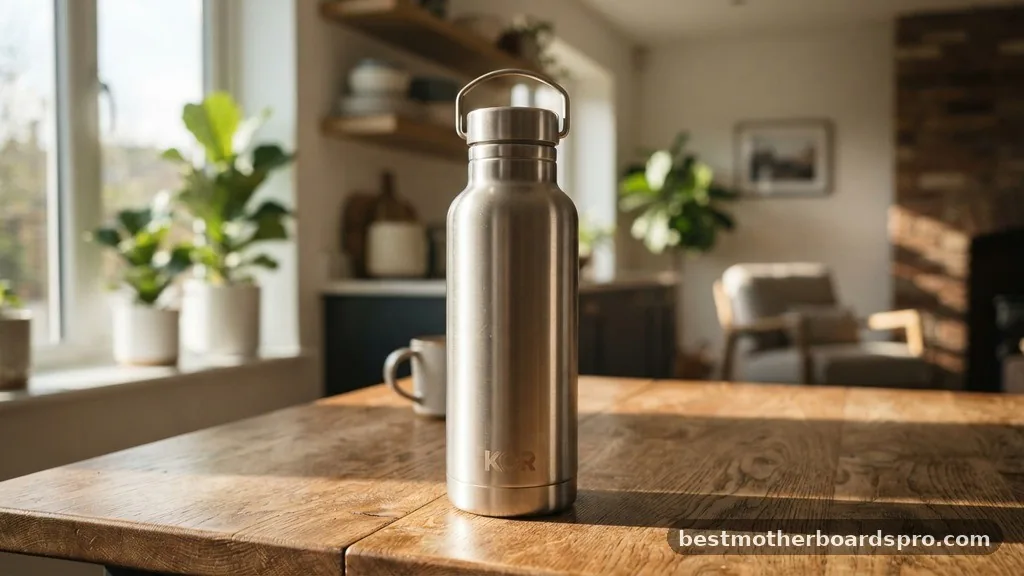
Many modern insulated water bottles feature double-walled construction with a vacuum seal. These are almost exclusively made of metal, which makes them entirely unsuitable for the microwave.
The vacuum layer is delicate, and the heat from the microwave could cause the pressure inside the bottle to change rapidly, potentially leading to a rupture. If you need to heat water for an insulated bottle, it is always better to heat the liquid in a glass or ceramic vessel first and then pour it into your insulated container once it reaches the desired temperature.
Safe Alternatives for Heating Water
If you need a hot beverage or a warm compress, there are much safer ways to achieve your goal without risking your equipment. Using a microwave-safe glass measuring cup or a ceramic mug is the best practice. These materials are designed to withstand thermal expansion and do not release harmful chemicals into your liquid.
- Use glass or ceramic containers labeled as microwave-safe.
- Remove the lid entirely before heating to prevent pressure buildup.
- Heat water in short bursts, stirring in between to avoid superheating.
- Use a kettle or a stove-top pot if you need to boil large volumes of water.
- Always use caution when removing hot vessels from the microwave to prevent burns.
Addressing Common Misconceptions
A frequent question involves using a water bottle for cramps or muscle aches. People often wonder if they can fill a plastic bottle with hot water and use it as a makeshift heating pad. While this is less dangerous than microwaving the bottle itself, you still need to be careful.
Thin plastic can become brittle or lose its shape when filled with near-boiling water. If you go this route, ensure the bottle is made of a thick, heat-resistant plastic, and always wrap it in a towel to protect your skin from direct contact with the hot surface.
Identifying Microwave-Safe Symbols
When checking your gear, look for the universal symbol, which typically features wavy lines over a box or a microwave icon. Sometimes, you will see a number inside a recycling triangle on the bottom of the plastic.
Number 5, which represents polypropylene, is generally considered the safest plastic for reheating, but even then, it is not indestructible. If you are ever in doubt about whether you can put a water bottle in the microwave, it is always safer to choose a different container.
FAQ Section
Can I microwave a plastic water bottle if it is empty?
No, you should never microwave an empty plastic water bottle. Without water to absorb the microwave energy, the plastic can quickly overheat, melt, or release toxic fumes. Even if the bottle is labeled microwave-safe, that rating assumes there is food or liquid inside to dissipate the heat.
Is it safe to heat a baby bottle in the microwave?
It is generally discouraged to microwave baby bottles. Microwaves heat unevenly, creating “hot spots” that can burn an infant’s mouth.
Furthermore, many plastic baby bottles can leach chemicals when heated. It is much safer to use a dedicated bottle warmer or a bowl of warm water.
What happens if I accidentally put a metal bottle in the microwave?
If you accidentally turn on the microwave with a metal bottle inside, stop the machine immediately. You will likely see sparks or hear a loud crackling sound. Once the appliance stops, open the door carefully, remove the bottle, and inspect the microwave for any burn marks or damage to the internal components.
How can I tell if my water bottle is glass or plastic?
You can usually tell by the weight and the sound it makes when tapped. Glass is heavier, cool to the touch, and produces a clear ringing sound when tapped with a fingernail.
Plastic is lighter and makes a dull, thumping sound. Always check the bottom for manufacturer markings to confirm the material.
Final Thoughts on Microwave Safety
Keeping your kitchen safe means being intentional about what you place inside your appliances. While the convenience of a quick reheat is tempting, the risks associated with improper container use are simply too high. By sticking to glass or ceramic for your heating needs, you avoid the hazards of melting plastic and the dangerous arcing of metal.
Always make sure to inspect your containers for proper labeling before applying heat, and when in doubt, rely on traditional stove-top methods to get the job done. Understanding whether you can put a water bottle in the microwave is a small but vital part of maintaining a safe and functional home environment. Taking these simple precautions ensures that your routine remains efficient and, more importantly, free from unexpected accidents.