

Many home cooks are surprised to learn that you can cook salmon in the microwave with excellent results. It might seem unconventional, but this method is actually a form of gentle steaming that keeps the fish incredibly moist and tender.
When you’re short on time or don’t want to heat up the entire kitchen with an oven, knowing how to prepare a high-quality protein in just a few minutes is a real skill. Whether you are a busy professional or just looking for a simple, healthy meal, understanding if you can cook salmon in the microwave will change how you approach your weeknight dinners.
Why Microwaving Salmon Works
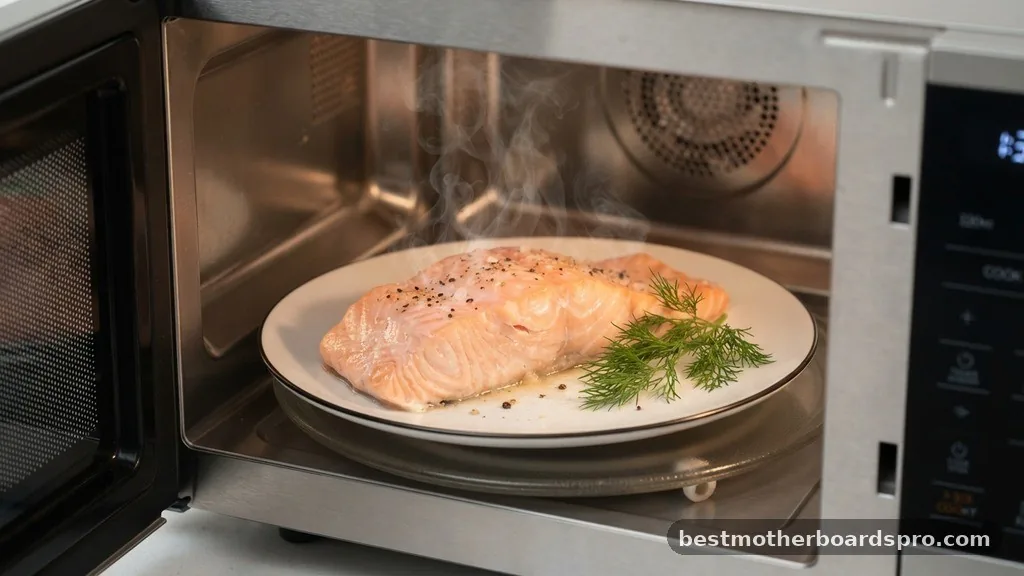
Microwaving is essentially a steam-cooking process when done correctly. Because fish is naturally delicate, it doesn’t require the intense, dry heat of an oven to break down proteins. Instead, the microwave agitates the water molecules within the salmon, effectively steaming the fillet from the inside out.
The secret to success lies in moisture management. By covering the fish, you trap the steam, which prevents the edges from drying out or becoming rubbery. If you have ever wondered if you can cook salmon in the microwave without sacrificing texture, the answer is a resounding yes, provided you don’t overcook it.
Preparation and Safety Essentials
Before you start, safety is the primary concern. You want to ensure the fish is cooked through to an internal temperature of 145°F (63°C). Because microwaves vary in wattage, it is important to start with shorter bursts of energy rather than setting a long, continuous timer.
Choosing Your Equipment
* Microwave-safe dish: Always use glass or ceramic containers. Avoid plastics unless they are specifically labeled microwave-safe.
* Covering material: Use a microwave-safe lid, a sheet of parchment paper, or a damp paper towel to trap steam.
* Thermometer: A digital meat thermometer is the only way to guarantee the fish is safe to eat.
Step-by-Step Cooking Technique
To get the best results, consistency is key. Start by seasoning your fillet with basic ingredients like salt and pepper. If you like a brighter flavor, adding a slice of lemon on top of the fish before covering it adds a beautiful, subtle acidity that infuses the meat as it steams.
Place the salmon in your container, skin-side down if it has skin. Add a tablespoon of water or white wine to the bottom of the dish to create extra steam. Cover the dish tightly, leaving just a small vent for excess steam to escape.
Timing Guidelines
Cooking time depends heavily on the thickness of the fillet. As a general rule, a standard 6-ounce salmon fillet takes between 3 to 4 minutes on medium-high power. If you are using a very powerful microwave, check the fish at the 2-minute mark.
| Salmon Thickness | Estimated Time | Power Level |
|---|---|---|
| 1 inch thick | 3–4 minutes | Medium-High (70%) |
| 0.5 inch thick | 2–2.5 minutes | Medium (50%) |
| Frozen fillet | 6–8 minutes | Medium (50%) |
Addressing Common Concerns and Mistakes
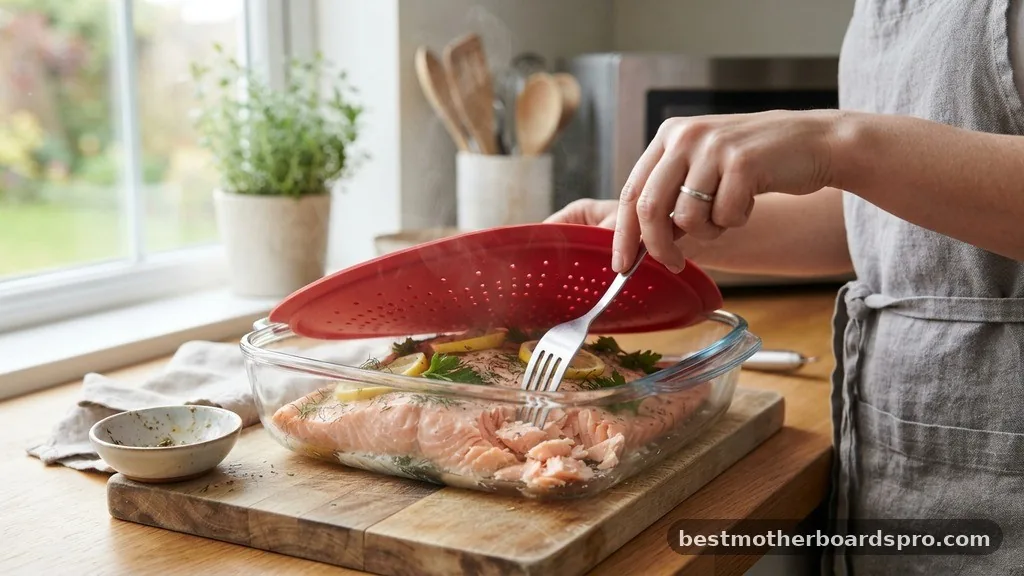
One of the biggest hesitations people have is the potential for a lingering fishy odor. While it’s true that cooking any fish can release aromas, the microwave method is actually cleaner than pan-searing.
Because the fish is covered during the entire cooking process, the smell is contained within the dish. Only remove the cover once you are ready to serve.
Another common gap in knowledge is how to handle frozen salmon. While it is possible to cook it directly from the freezer, the quality is usually better if you thaw it in the refrigerator overnight. If you must use frozen, extend the cooking time and use a lower power setting to ensure the center thaws before the outside turns tough.
Flavor Enhancements for Your Dish
Since the microwave is a neutral cooking environment, it serves as a blank canvas for flavors. You don’t need a complicated recipe to make this work. Simple additions can transform a basic fillet into a gourmet-style meal.
- Herb Infusion: Place sprigs of fresh dill or parsley under the fish for an aromatic base.
- Citrus Zest: Grate fresh lemon or lime zest over the top before cooking for a punchy flavor.
- Fat Content: A small pat of butter or a drizzle of olive oil keeps the fish succulent and prevents sticking.
- Spice Rubs: A dusting of smoked paprika or garlic powder provides a savory crust that mimics oven roasting.
Comparing Cooking Methods
It is helpful to see how this method stacks up against traditional techniques. While pan-searing provides a crispy skin that the microwave cannot replicate, the microwave is significantly faster and easier to clean.
| Feature | Microwave | Pan-Searing | Oven Baking |
|---|---|---|---|
| Texture | Very Moist | Crispy Skin | Flaky |
| Speed | Very Fast | Moderate | Slow |
| Cleanup | Minimal | High | Moderate |
FAQ
Is it safe to microwave raw salmon?
Yes, it is perfectly safe to cook raw salmon in the microwave. The key is ensuring the fish reaches an internal temperature of 145°F. Using a microwave-safe cover helps trap steam, which cooks the fish evenly and prevents it from drying out during the process.
Does salmon taste good when microwaved?
When prepared correctly, microwaved salmon is incredibly tender and moist. Because it essentially steams in its own juices, it maintains a delicate flavor. Seasoning it well with fresh herbs, citrus, and a little fat ensures it tastes just as good as fish cooked using more traditional methods.
How can I avoid the fishy smell?
The best way to minimize odors is to keep the dish covered during the entire cooking process. By using a lid or parchment paper, you trap the steam and the associated scents inside the container. Only uncover the fish once you are ready to eat and serve.
Can I cook salmon from frozen in the microwave?
You can, but it requires patience. Use a lower power setting, such as 50 percent, to allow the center of the fillet to thaw gently before the exterior overcooks. It is generally recommended to thaw the fish in the fridge first for the most consistent, flaky texture.
Final Thoughts on Microwave Salmon
Mastering the microwave salmon technique is an easy way to integrate more healthy fats into your diet without the hassle of a complex chef-level production. By treating the microwave as a steaming vessel rather than just a reheating tool, you can produce a restaurant-quality dish in just a few minutes.
Remember to start with fresh, high-quality fillets, season them well, and always use a cover to lock in that essential moisture. If you are feeling adventurous, try experimenting with different aromatics like ginger, soy sauce, or fresh dill to see which flavor profiles you prefer.
Now that you know the ins and outs of whether you can cook salmon in the microwave, you have a reliable, stress-free method for your next quick meal. Give it a try tonight and see how simple healthy eating can truly be.