
Finding yourself ready to prepare breakfast only to realize the meat is still frozen solid is a common kitchen frustration. When you are pressed for time, learning how to defrost bacon in microwave settings becomes an essential skill for any home cook.
This method allows you to move from freezer to frying pan in just a few minutes, provided you follow the right precautions to maintain food safety and texture. By using the proper power levels and techniques, you can thaw bacon effectively without accidentally starting the cooking process before you are ready.
Why Use the Microwave for Thawing Bacon
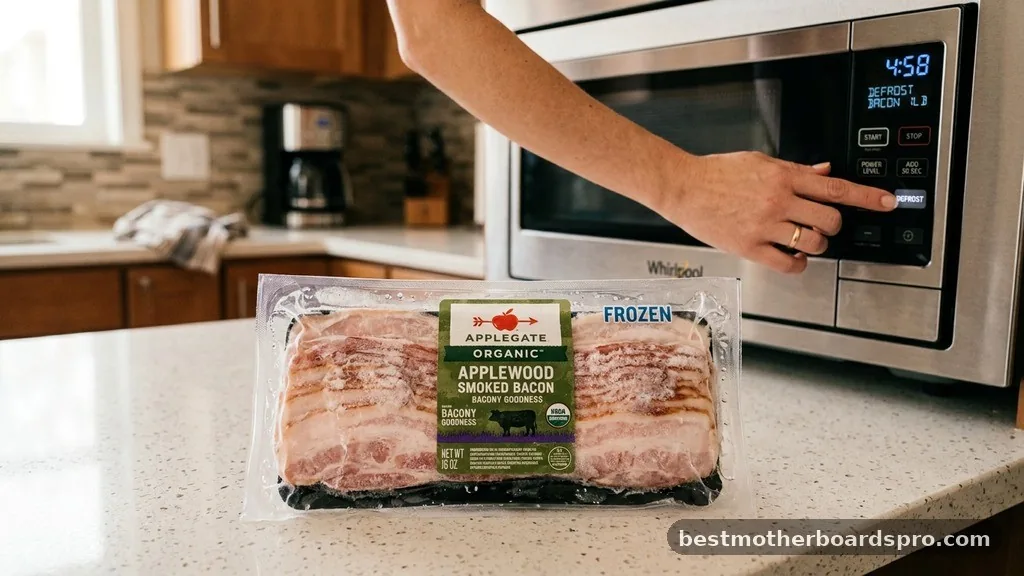
The primary advantage of using a microwave to thaw frozen bacon is sheer speed. Traditional methods, such as leaving a package in the refrigerator, can take upwards of 24 hours, which is rarely helpful when you are planning a meal in the moment.
When you choose to defrost bacon in microwave cycles, you condense that waiting time from a full day to just a few minutes. This efficiency is perfect for busy mornings or unexpected brunch guests.
Beyond speed, this technique is remarkably straightforward. It requires minimal equipment—usually just a plate and a paper towel—making it a low-effort solution. While some purists prefer slow thawing, the microwave remains the most reliable way to handle frozen bacon when immediate results are the priority.
Step-by-Step Procedure for Safe Defrosting
To achieve the best results, you must be methodical. If you simply hit the “start” button and walk away, you risk ending up with partially cooked, rubbery meat that loses its crispness later. Follow these steps to keep the quality high.
Preparation and Setup
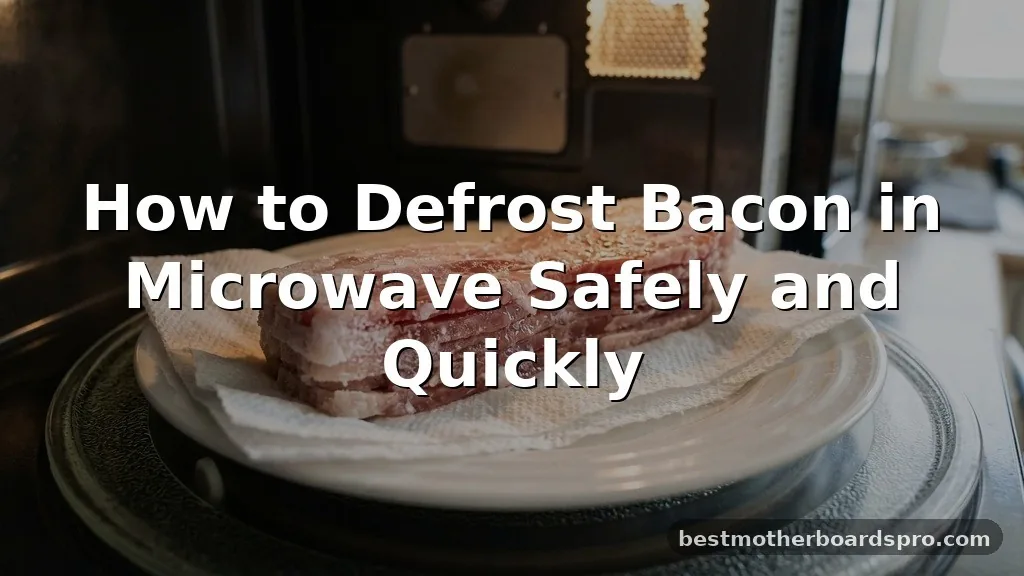
Before you start, remove the bacon from its original plastic packaging. Most commercial packaging is not designed for the high heat of a microwave and can melt or leach chemicals into your food. Place the frozen block onto a microwave-safe plate. If the slices are stuck together in a solid block, you will need to use short intervals to gradually separate them as the edges begin to thaw.
The Thawing Process
Use the defrost setting on your appliance. If your microwave does not have a specific defrost button, manually set the power level to 20% or 30%. High power will immediately begin cooking the bacon, which is exactly what you want to avoid during the thawing phase.
- Place the bacon on a microwave-safe dish.
- Cover the bacon with a single paper towel to prevent splattering.
- Run the microwave for 30-second intervals.
- Flip or rotate the bacon strips after each interval to ensure even thawing.
- Stop once the slices are pliable enough to be separated.
Comparing Thawing Methods
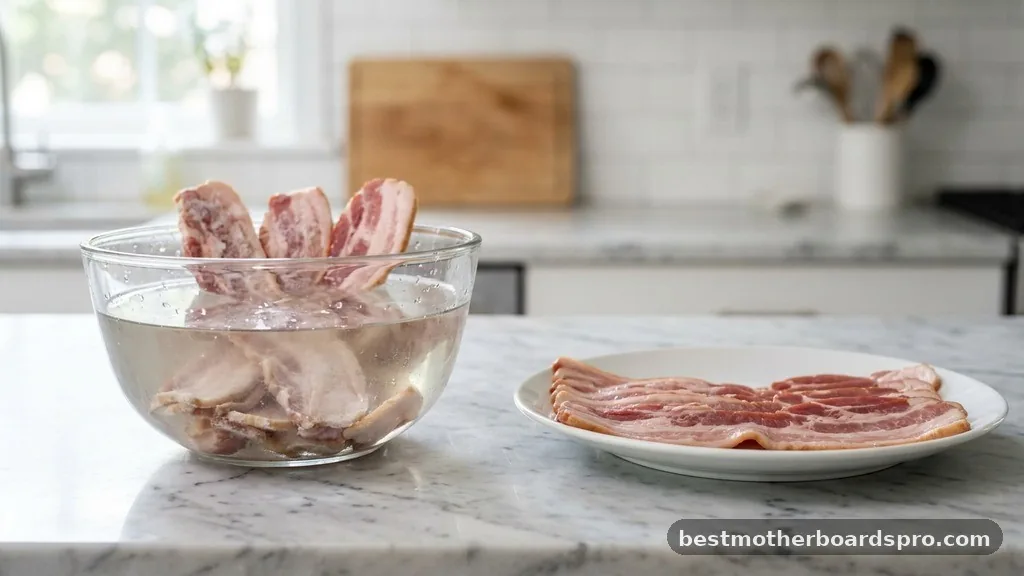
It is helpful to understand how microwave thawing compares to other common kitchen techniques. Each method has distinct trade-offs regarding time, safety, and final meat quality.
| Method | Estimated Time | Best For |
|---|---|---|
| Microwave | 2–5 Minutes | Last-minute meal preparation |
| Refrigerator | 12–24 Hours | Advanced planning and food safety |
| Cold Water Bath | 30–60 Minutes | When you have an hour to spare |
Avoiding Common Mistakes
The most frequent error when attempting to defrost bacon in microwave appliances is using too much power. When the heat is too intense, the fat begins to render prematurely.
This results in bacon that is partially gray or cooked in the center while still frozen on the edges. This uneven state makes it difficult to achieve a consistent texture once you move the meat to a skillet or oven.
Another mistake is leaving the bacon in the package. Even if the packaging claims to be microwave-safe, it is better to err on the side of caution.
Plastic can warp, and the internal temperature can spike unpredictably. Always transfer the meat to a ceramic or glass plate to ensure even heat distribution and total safety.
Managing Thawed Bacon for Cooking
Once the bacon is thawed, you have a limited window of time to cook it. Because the microwave has brought the meat into the “danger zone” where bacteria can grow, you should not put the bacon back into the freezer or leave it sitting on the counter. Proceed directly to your preferred cooking method.
If you are using an air fryer, ensure the bacon is patted dry with a fresh towel after thawing. Excess moisture can prevent the fat from rendering properly, leading to chewy bacon rather than the crispy strips most people enjoy. Whether you are adding the meat to complex recipes or simply frying it for a sandwich, the transition from thaw to cook should be seamless.
Addressing Frequently Asked Questions
Is it safe to defrost bacon in the microwave?
Yes, it is perfectly safe as long as you cook the bacon immediately after the thawing process is complete. Do not let the meat sit at room temperature for an extended period, as this encourages bacterial growth. Always use a low-power setting to prevent uneven, partial cooking.
How long does it take to defrost a full pack of bacon?
Typically, it takes between three to five minutes to thaw a standard one-pound package of bacon. The exact time depends on the thickness of the slices and your microwave’s wattage. Use 30-second bursts and check the progress frequently to ensure the meat stays raw rather than cooked.
What if the bacon starts cooking during the defrost cycle?
If the edges of the bacon turn white or begin to sizzle, you are using too much power. Immediately reduce the microwave power level or stop the cycle. Remove any strips that are already thawed and set them aside, then continue thawing the remaining frozen pieces in shorter, lower-heat increments.
Can I thaw bacon in the original plastic packaging?
It is highly recommended that you remove the bacon from its original packaging before microwaving. Most store-bought plastic wrappers are not intended for microwave use and may melt, potentially contaminating your food. Placing the bacon on a clean, microwave-safe plate is the safest and most effective approach.
Final Thoughts on Rapid Thawing
Successfully using your microwave to handle frozen meat requires patience and attention to detail. By keeping the power level low and checking your progress every few seconds, you can effectively prepare your ingredients without compromising quality. Remember that the goal is simply to make the strips pliable enough to separate for even cooking in a pan or oven.
Once you have mastered this quick-thaw technique, you will find that a freezer full of bacon no longer stands in the way of a great meal. Keep your kitchen routine simple, stay alert during the process, and you will have perfectly crispy bacon ready to serve in no time.