
Microwaving sweet corn is the secret weapon for anyone who loves fresh produce but hates waiting for a large pot of water to boil. This technique produces incredibly succulent, tender results that rival traditional boiling or grilling while saving you significant time in the kitchen.
When you master the art of cooking corn in the microwave, you unlock a convenient way to enjoy seasonal summer vegetables on even the busiest weeknights. Whether you are prepping a quick side dish or feeding a hungry crowd, learning how to correctly handle the husk and timing is the key to achieving perfect, buttery kernels every time.
Why Choose the Microwave for Your Corn
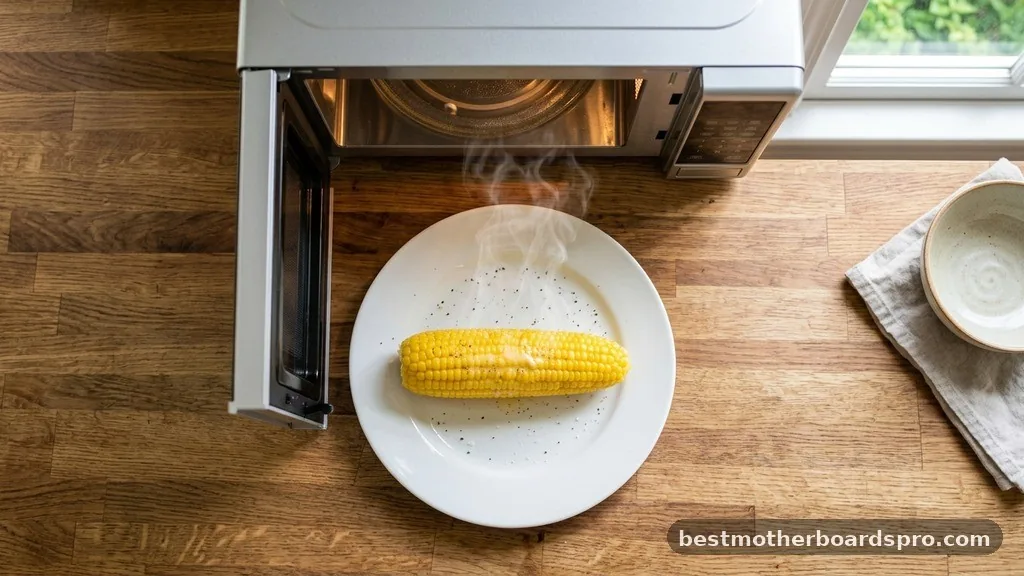
Cooking corn on the cob in a microwave offers efficiency that other methods simply cannot match. While boiling requires you to wait for a gallon of water to heat up, the microwave uses the moisture already trapped within the corn husk to steam the kernels from the inside out. This process effectively concentrates the natural sugars and flavors, resulting in a sweet, vibrant vegetable that isn’t waterlogged.
Another major benefit is the ease of cleaning up. Because the corn stays contained within its natural packaging or a simple paper towel wrap, you don’t have to deal with messy stovetop splashes or bulky cookware. It is an ideal solution for small kitchens or for those moments when you need a healthy vegetable side dish ready in under ten minutes.
The Husk-On Method for Maximum Flavor
Leaving the husk on while you use the corn microwave technique is widely considered the best way to trap steam. This natural casing acts like a mini pressure cooker, ensuring the kernels stay plump and juicy. It also makes the post-cooking process much cleaner, as the silk tends to pull away from the cob more easily once steamed.
Steps for Cooking with the Husk
To get started, simply trim the long, protruding stem end of the corn cob with a sharp knife. You don’t need to peel it back yet; just ensure the ear fits comfortably on your microwave tray. Place the corn directly into the microwave, ensuring it doesn’t touch the walls of the appliance.
For a single ear, cook on high for approximately three to four minutes. If you are cooking multiple ears, increase the time by about two minutes per cob, but keep an eye on them to prevent overcooking.
Once the time is up, let the corn sit for at least two minutes. This resting period is crucial, as the internal temperature remains quite high and continues to finish the cooking process.
Handling Shucked Corn in the Microwave
If you bought corn that is already shucked or prefer to remove the husk before cooking, you can still achieve excellent results with a simple modification. Without the husk to provide moisture, the kernels can quickly become dry or tough if exposed directly to the microwave’s radiation.
The Paper Towel Trick
To prevent the corn from drying out, dampen a single paper towel with cold water and wrap it snugly around the ear of corn. The moisture from the towel will create a steam environment, keeping the kernels tender. Place the wrapped cob on a microwave-safe plate and cook for about three to four minutes.
| Method | Moisture Source | Ease of Cleanup | Cooking Time |
|---|---|---|---|
| Husk-on | Natural husk | Very easy | 3-5 minutes |
| Paper towel | Dampened towel | Easy | 3-4 minutes |
| Boiling | Large pot of water | Moderate | 8-12 minutes |
Removing the Husk and Silk Effortlessly
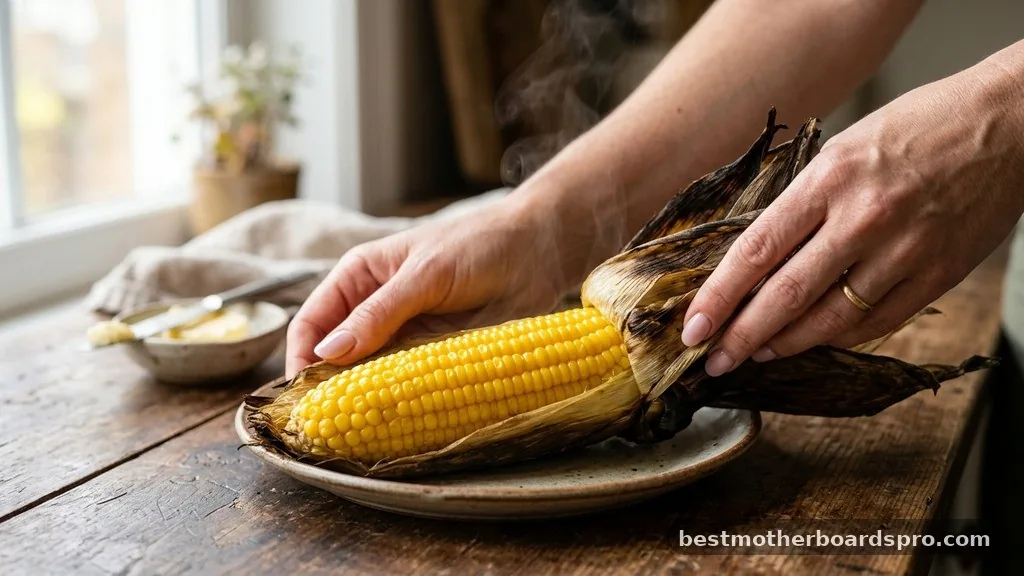
One of the biggest frustrations when preparing fresh corn is dealing with the stubborn silk that clings to the kernels. When you microwave the corn while it is still in the husk, the heat causes the silk to loosen its grip, making it slide off effortlessly along with the outer leaves.
Once the corn has rested and is cool enough to handle, hold it by the stem end and give the silk end a firm squeeze or a gentle shake. The entire cob should slide out of the husk, leaving almost all the silk behind. It is a satisfying process that saves you from the tedious task of hand-picking individual strands.
Nutritional Benefits of Sweet Corn
Sweet corn is a fantastic addition to your diet, offering more than just a pleasant crunch. Beyond its flavor, it provides essential nutrients that contribute to your daily values of fiber and vitamins.
- Rich in insoluble fiber, which supports healthy digestion.
- Contains antioxidants like lutein and zeaxanthin, which are vital for eye health.
- Provides a modest amount of plant-based protein.
- Offers a good source of B vitamins, including folate and thiamine.
- Naturally low in fat, making it a heart-healthy vegetable option.
Addressing Common Topical Gaps
Many home cooks wonder if microwaving corn is safe or if it destroys nutrients. Research suggests that because the cooking time is significantly shorter than boiling, the heat-sensitive vitamins are often better preserved. Furthermore, the lack of added water means that water-soluble vitamins are not leached out into a pot, keeping more of the nutritional profile contained within the cob.
Another common question relates to the size of the corn. If you have an exceptionally large ear of corn, you may need to add an extra minute to your cooking time. Always test the kernels by pressing one with a fork; if it pierces easily and releases a bit of liquid, it is perfectly cooked.
FAQ Section
How long does sweet corn take in the microwave?
For a single ear of corn, three to four minutes on high power is usually sufficient. If you are cooking multiple ears at once, you should allow for about two additional minutes per cob to ensure even heating throughout the entire batch.
Is it better to cook corn with or without the husk?
Cooking with the husk on is generally superior because it acts as a natural steamer, locking in moisture and flavor. If you must remove the husk first, wrapping the cob in a damp paper towel is an essential step to prevent the kernels from becoming shriveled.
How do I know when the corn is finished?
The corn is done when the kernels appear bright yellow and plump. You can carefully test a kernel with a fork; if it is tender and releases a small amount of sweet, milky liquid, it has reached the ideal texture for eating.
Can I microwave corn that has already been shucked?
Yes, but you must create a steam environment to prevent the corn from drying out. Wrap the bare cob in a damp paper towel and place it on a microwave-safe dish. This mimics the protective effect of the husk and ensures a juicy, tender result.
Final Thoughts on Microwave Corn
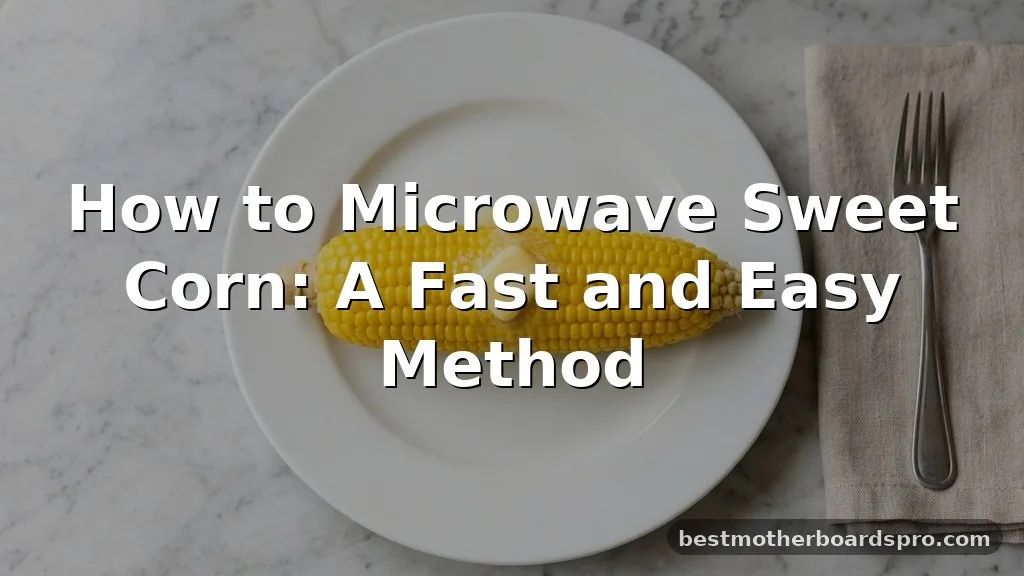
Mastering the process of microwaving sweet corn allows you to enjoy one of nature’s simplest treats with minimal effort. By utilizing the husk or a damp paper towel, you maintain the moisture and sweetness that make fresh corn so enjoyable. This method is not only faster than traditional boiling but also preserves the integrity of the kernels and the nutritional profile of the vegetable.
Next time you find yourself with a fresh batch of corn, skip the stove and rely on your microwave for a quick, delicious side dish. Experiment with different seasonings like lime, chili powder, or simple butter to make your meal truly stand out.