
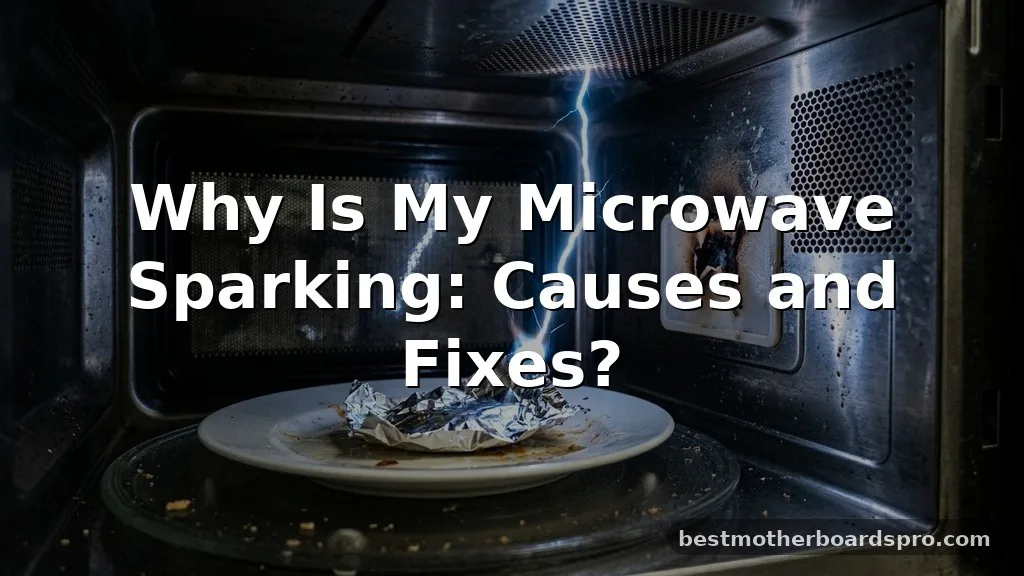
Seeing flashes of light inside your kitchen appliance is always alarming, and wondering why is my microwave sparking is a common reaction when you’re just trying to heat up a quick meal. These electrical discharges, often accompanied by a loud popping or crackling sound, indicate that electricity is arcing where it shouldn’t be.
Whether it’s due to a stray piece of metallic packaging or a degraded internal component, identifying the root cause quickly is essential for both your safety and the longevity of your machine. By understanding how the electromagnetic waves interact with your food and the interior walls, you can troubleshoot the issue effectively and restore your appliance to working order.
Common Culprits Behind Microwave Arcing
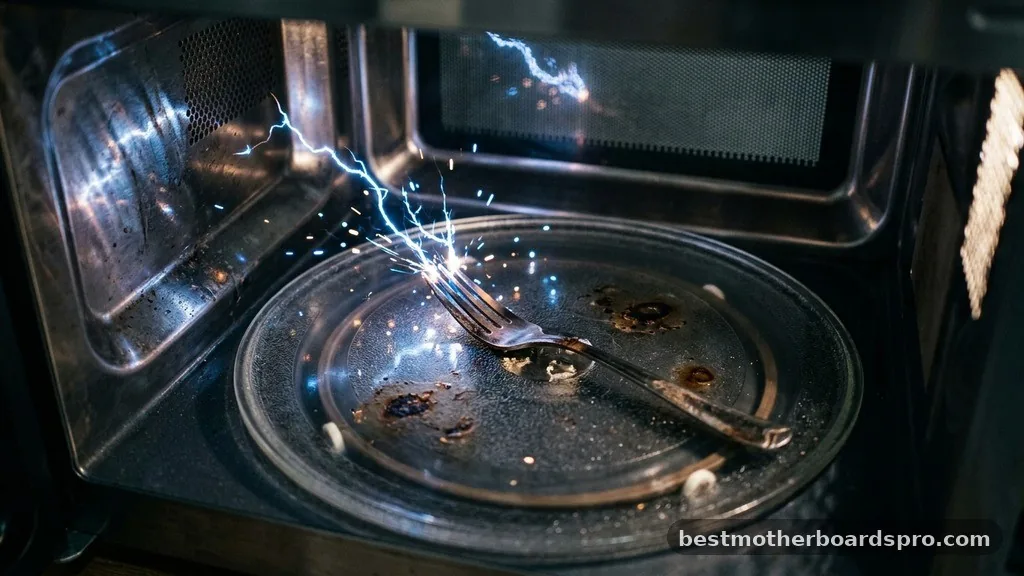
The most frequent reason for sparks inside a unit is the presence of metal or conductive materials. Microwaves generate electromagnetic radiation that reflects off metal surfaces; when these waves encounter thin or jagged metal, they induce high-voltage currents that jump across gaps, creating the visible light show you see.
- Metallic Food Packaging: Items like foil, twist ties, or containers with metallic trim are frequent offenders that trigger immediate arcing.
- Food Spatter: Dried food residue on the walls can carbonize over time, becoming conductive and causing localized sparks.
- Damaged Waveguide Cover: A burnt or greasy cover allows debris to enter the wave-generating area, disrupting the field and causing damage.
- Exposed Metal: Chipped paint or worn enamel on the interior walls leaves bare metal exposed to the magnetron’s output.
- Rack Misalignment: Using metal racks that aren’t designed for the specific model or placing them too close to the side walls can cause interference.
The Role of the Waveguide Cover
One of the most overlooked components is the waveguide cover, a small rectangular piece of material—often made of mica—located on the side or top of the interior cavity. Its job is to protect the magnetron, which is the heart of the appliance, from grease and steam. When this cover becomes coated in food particles, the debris can burn and eventually turn into carbon.
Because carbon is conductive, it creates a bridge for electricity, leading to consistent sparking every time you run the unit. If you see burn marks or holes on this piece, it needs to be replaced immediately to prevent permanent damage to the magnetron.
Addressing Interior Damage and Paint
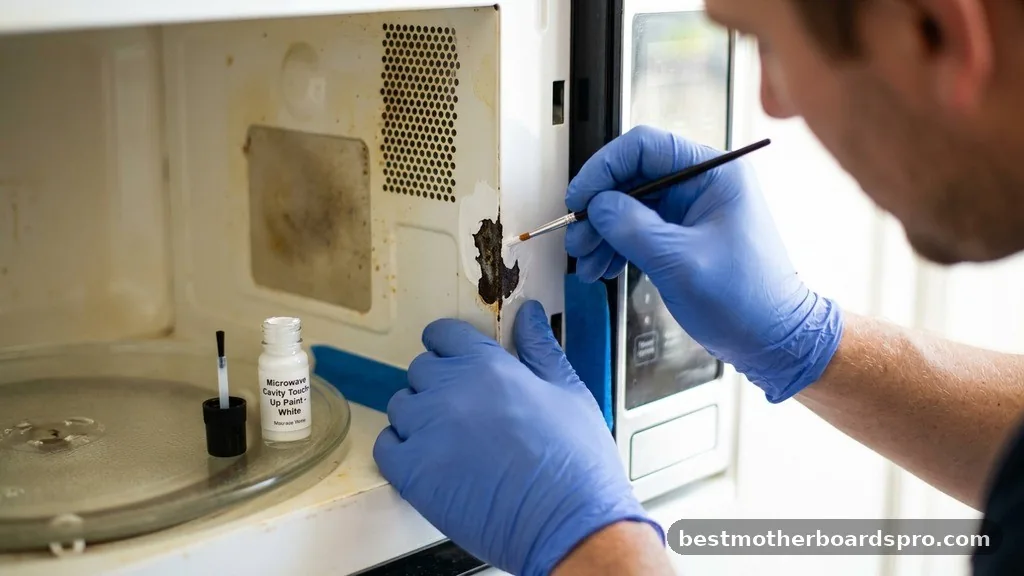
If your unit isn’t empty and you aren’t using foil, the problem might be physical damage to the interior coating. Over years of use, the protective enamel inside can chip away, especially near the door seal or the base of the turntable. Once the base metal is exposed, the reflected microwave energy concentrates at that point, causing the air to ionize and produce a spark.
| Issue | Severity | Recommended Action |
|---|---|---|
| Metallic wrapper | Low | Remove item and clear debris |
| Burnt waveguide cover | Medium | Replace the cover plate |
| Exposed interior metal | High | Touch up with microwave-safe paint |
| Failed magnetron | Critical | Professional repair or replacement |
You can often fix minor chips with specialized, food-safe appliance paint designed for high-heat environments. Never use standard spray paint, as it may release toxic fumes or be flammable when exposed to radiation. Before applying any touch-up, ensure the area is clean, dry, and free of any rust or loose debris to ensure a proper bond.
Safety Protocols and When to Seek Help
When you notice your microwave sparking, the first step is to turn it off immediately. Do not attempt to continue using it, as prolonged arcing can melt the internal components, damage the magnetron, or even start a fire. Unplug the unit if you can do so safely.
If you suspect an internal electrical failure—such as a humming sound without any food items present—it is usually best to consult a professional technician. High-voltage capacitors inside these appliances can retain a lethal charge even when the unit is unplugged, making DIY repairs on internal electrical parts extremely dangerous for those without specialized training.
Maintaining Your Appliance for Longevity
Preventing future issues largely depends on consistent cleaning and careful usage. A clean interior is the best defense against arcing, as it prevents the buildup of carbonized food particles that attract energy. Wipe down the interior walls after every use, especially if you notice splatter, and pay close attention to the waveguide cover.
Avoid using any dishware that contains metallic paint or gold-leaf rims, as these will cause sparks even if the food itself is safe. Similarly, check your containers for hidden foil liners. By keeping the interior pristine and being mindful of what you put inside, you can avoid the frustration of troubleshooting why is my microwave sparking and ensure your appliance serves you for years to come.
Frequently Asked Questions
Is it safe to keep using a microwave that is sparking?
No, you should stop using it immediately. Continued use can cause significant damage to internal components like the magnetron or waveguide, potentially leading to a fire hazard. Unplug the device and inspect it for debris, metal items, or visible damage to the interior walls before attempting any further operation.
Can I replace the waveguide cover myself?
Yes, replacing the waveguide cover is a straightforward task for most homeowners. You can purchase a generic mica sheet, cut it to the size of your original cover, and snap or screw it into place. Ensure the unit is unplugged before performing this maintenance to avoid any accidental contact.
Why does my microwave spark even when it’s empty?
If you see sparks while the unit is empty, it usually points to a damaged waveguide cover or exposed metal on the interior walls. When there is no food to absorb the energy, the waves reflect more intensely, making it easier for them to arc across any damaged or carbonized areas.
How do I know if the magnetron is broken?
A failing magnetron often produces a loud, low-frequency humming or buzzing noise accompanied by constant sparking and a burning smell. If you have cleaned the interior and replaced the waveguide cover but the sparking continues, the magnetron is likely the culprit and usually requires professional service.
Final Thoughts
Dealing with a malfunctioning kitchen appliance is rarely convenient, but identifying the cause of why is my microwave sparking is usually a manageable task. By inspecting the interior for food buildup, checking the integrity of the waveguide cover, and removing any metallic objects, you can resolve most common issues quickly.
Remember that safety is the priority; if you are ever unsure about the state of the internal electrical components, do not hesitate to contact a qualified technician. Keeping your unit clean and avoiding improper cookware are the best ways to ensure your machine continues to function safely, saving you the cost and hassle of an unexpected replacement.