
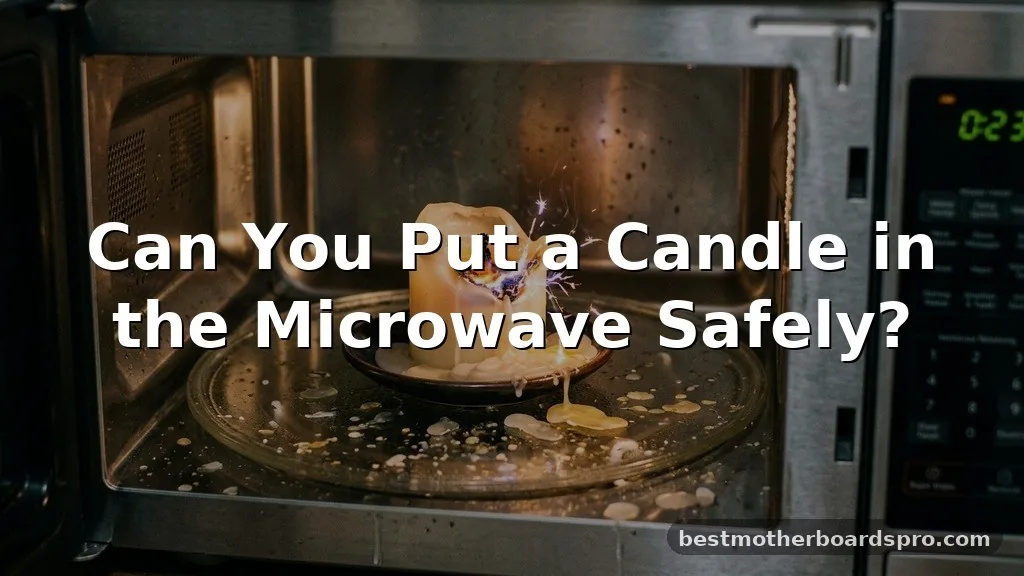
Wondering if you can put a candle in the microwave is a common question, especially when you’re trying to salvage the last bit of wax from a favorite jar. While it might seem like a quick, convenient way to melt down leftovers or fix a tunneling issue, the reality is much more complicated. Most household microwaves are simply not designed to handle the specific properties of candle materials.
Understanding the risks involved is essential for home safety, as improper heating can lead to ruined appliances, broken glass, or even a fire. Getting the facts straight before you hit the start button is the best way to protect your kitchen.
The Fundamental Risks of Microwaving Candles
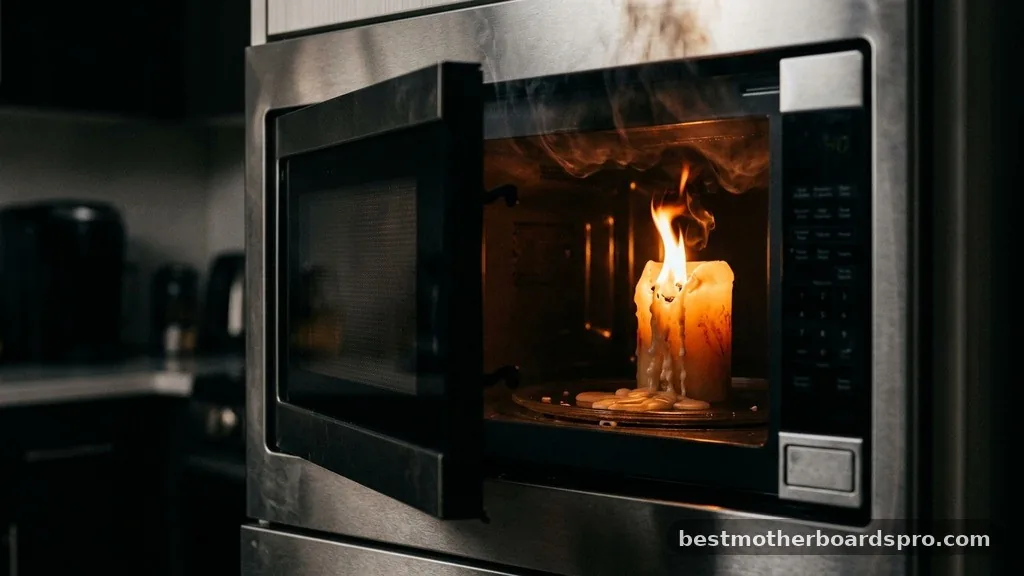
The primary reason you should avoid putting a candle in the microwave comes down to the materials involved. Most candles contain a metal wick base, often made of aluminum or steel, to keep the wick upright.
Even if you think the wick is gone, small metal remnants or foil labels can trigger arcing. Arcing occurs when electrical current jumps between metal surfaces, creating sparks that can damage your microwave’s magnetron or start an internal fire.
Furthermore, the glass used in candle containers is not always tempered for high-heat, rapid temperature changes. Microwaves heat substances unevenly, causing the wax to expand while the glass remains relatively cool.
This thermal shock can cause the jar to crack or shatter instantly. If the glass breaks while the wax is molten, you’re left with a dangerous, sticky mess that is incredibly difficult to clean from the interior of your appliance.
Why Wax and Fragrance Oils React Poorly
Beyond the structural risks to your microwave, the chemical composition of candles presents its own set of challenges. Most candles are formulated with specific fragrance oils that have a flashpoint.
When you overheat wax in a microwave, the internal temperature can spike far beyond what a candle is designed to withstand. This doesn’t just degrade the scent; it can cause the oils to release volatile compounds or even ignite if the temperature climbs high enough.
The wax itself, whether it is paraffin, soy, or a blend, acts as an insulator. Microwaves struggle to heat wax evenly because of its molecular structure.
You might notice the center remains solid while the edges become dangerously hot. This uneven heating makes it impossible to achieve a consistent melt pool, which is usually the goal when trying to repurpose or fix a candle.
Comparing Common Melting Methods
If you need to melt wax, there are far safer alternatives to using a microwave. The following table compares common methods to help you choose the most effective approach for your needs.
| Method | Safety Level | Control | Recommended Use |
|---|---|---|---|
| Double Boiler | High | Excellent | Candle making and large batches |
| Oven (Low Temp) | Medium | Moderate | Fixing tunneling or large containers |
| Microwave | Very Low | Poor | Not recommended for any candle |
Addressing Common Misconceptions
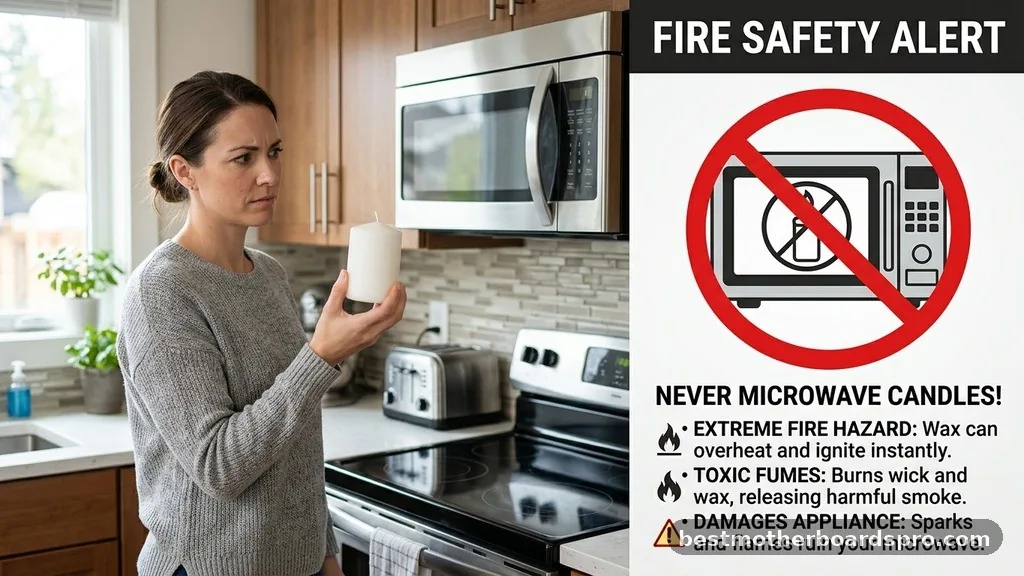
Many people assume that because they can melt chocolate or butter in the microwave, they can do the same with a candle. The difference lies in the density and the additives. Candle making supplies are engineered to burn slowly and release scent over hours, not to be subjected to high-frequency radiation. Even if you remove the metal wick, the glass is rarely rated for the intense, concentrated heat that microwaves generate.
Another common misconception is that “short bursts” make the process safe. While five-second intervals might seem harmless, they are ineffective for melting a significant amount of wax.
The lack of stirring capability and the rapid heat transfer to the container mean that even short bursts can lead to a sudden, catastrophic failure of the glass jar. It is simply not worth the risk to your appliance or your personal safety.
How to Safely Handle Old Candles
If you have a jar with leftover wax and you want to clean it for reuse, the safest approach is the “hot water bath” method. This method uses indirect heat to gently loosen the wax from the sides of the glass without the risks associated with electromagnetic waves.
- Place your candle jar into a larger heat-safe bowl or pot.
- Pour boiling water into the bowl, ensuring the water level stays below the rim of your candle jar.
- Wait for the heat to transfer through the glass, melting the wax edges.
- Use a butter knife to gently pop the wax puck out once it has loosened.
- Clean any remaining residue with warm, soapy water and a paper towel.
This process is reliable and ensures that you won’t damage your kitchen equipment. It allows you to reclaim your jars for other purposes, such as storage or DIY soap projects, without exposing your home to the hazards of a microwave fire.
Filling the Gaps: Why Microwave-Safe Labels Don’t Apply
A frequent point of confusion is seeing “microwave-safe” labels on some glass containers. It is vital to understand that a glass jar being microwave-safe for food does not mean it is safe for heating wax.
Food contains water, which absorbs microwave energy evenly and helps regulate temperature. Wax contains no water and has a high heat capacity, meaning it will continue to absorb energy and get hotter long after the container has reached its limit.
Additionally, the new manufacturing standards for many candle jars prioritize aesthetics over heat resistance. Some decorative jars are sprayed with coatings or paints that can off-gas or peel when subjected to the unique thermal stress of a microwave. Always check the manufacturer’s guidelines, but as a general rule, avoid using any container that previously held a candle for anything other than its intended purpose.
FAQ
Is it safe to melt a candle in the microwave?
No, it is not safe. Microwaves can cause uneven heating that leads to glass shattering, and the metal components found in many wicks can cause dangerous electrical arcing. The risk of fire or damage to your appliance is significant, making this an unsafe practice for any candle.
What is the best way to remove wax from a jar?
The best and safest method is the hot water bath approach. By placing the jar in a bowl of near-boiling water, you gently melt the outer layer of wax, allowing the entire block to slide out cleanly without the risks associated with direct heat or radiation.
Can I microwave a candle to fix tunneling?
You should never use a microwave to fix tunneling. Tunneling is caused by burning a candle for too short a time. Instead, use a hair dryer or a heat gun on a low setting to gently melt the top layer of wax until it reaches the edge of the jar.
What if I accidentally put a candle in the microwave?
If you have already started the microwave, stop it immediately. Allow the container to cool down completely before touching it, as the glass may be under thermal stress and prone to cracking. Do not attempt to move or handle the jar until it is at room temperature.
Conclusion
While the convenience of a quick fix is tempting, the answer to whether you can put a candle in the microwave is a firm no. The potential for fire, shattered glass, and permanent damage to your microwave far outweighs the minor convenience of melting leftover wax. By sticking to safer methods like a double boiler or a hot water bath, you protect your home and ensure your belongings remain in good condition.
Taking the time to remove wax properly is a small investment that keeps your kitchen safe. Whether you are repurposing old jars or trying to salvage a favorite scent, choosing a gentle, indirect heating method is the best way to go.
If you have questions about specific materials, always prioritize the manufacturer’s safety instructions over internet hacks. Stay safe and enjoy your candles the right way.