


Finding out whether you can cook cookie dough in the microwave is a common kitchen dilemma when a sweet craving strikes without warning. You might be staring at a package of refrigerated dough, wondering if a quick zap will yield a warm, gooey treat or a rubbery disaster.
The short answer is yes, it is possible to transform raw dough into a baked-style dessert using microwave radiation, though the texture will differ significantly from traditional oven-baked goods. Understanding the science of microwave heating helps you achieve a delicious result rather than a scorched mess.
The Science of Microwaving Cookie Dough
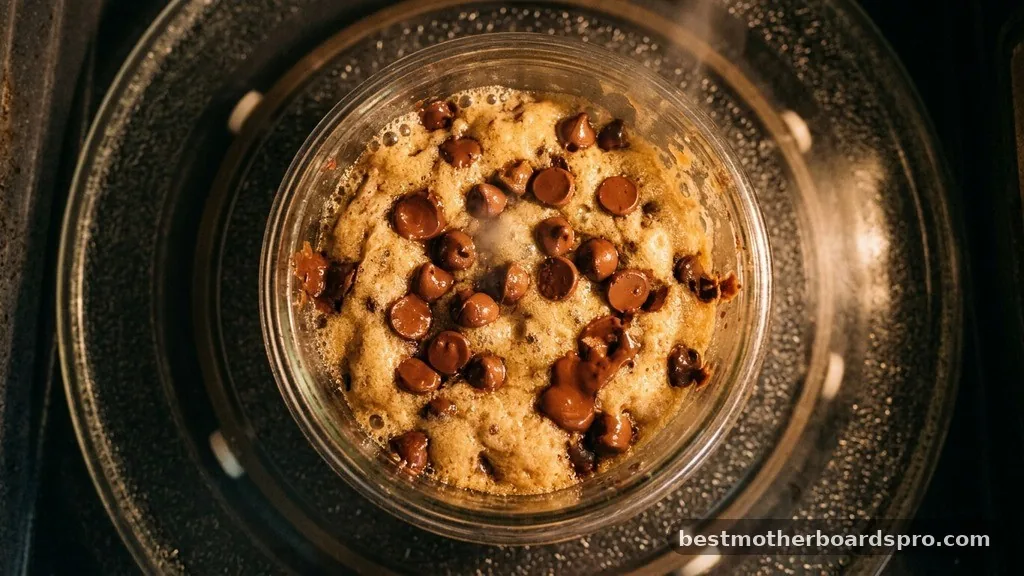
When you place dough in a microwave, the electromagnetic waves cause water molecules within the ingredients to vibrate rapidly. This friction generates heat, which cooks the starch and melts the fat in your dough. Unlike a conventional oven, which uses dry, circulating heat to create a crispy exterior through the Maillard reaction, the microwave cooks from the inside out using moisture.
Because of this, microwave-cooked dough often lacks the golden-brown crust associated with standard baking. Instead, you get a soft, cake-like, or pudding-like consistency.
If your goal is a classic, crunchy cookie, the microwave will likely disappoint. However, for a warm, molten treat served in a mug, it is remarkably efficient.
Preparing Your Dough for Microwave Cooking
To get the best results, you need to adjust your expectations and your preparation method. Microwaving a large slab of dough is rarely successful because the edges will turn rock-hard while the center remains raw. It is far better to portion your dough into a microwave-safe vessel like a ramekin or a standard ceramic mug.
Before you start, ensure your dough is at room temperature. Cold dough from the refrigerator takes longer to heat, which increases the risk of overcooking the outer layers before the interior is safe to eat. If you are working with store-bought dough, consider adding a tiny splash of milk or a small pat of butter to help maintain moisture during the heating process.
Step-by-Step Microwave Method
Follow these steps to successfully turn your raw mixture into a warm dessert:
- Select a microwave-safe container, such as a ramekin or a sturdy coffee mug.
- Lightly grease the inside of the container with butter or non-stick spray to prevent sticking.
- Place a small amount of dough—about two tablespoons—into the bottom of the container.
- Flatten the dough slightly so it covers the bottom evenly.
- Microwave on high power for 30 to 45 seconds to start.
- Check the consistency; if it looks too raw, add 10-second intervals until the edges appear set.
Comparing Oven Baking vs. Microwave Cooking
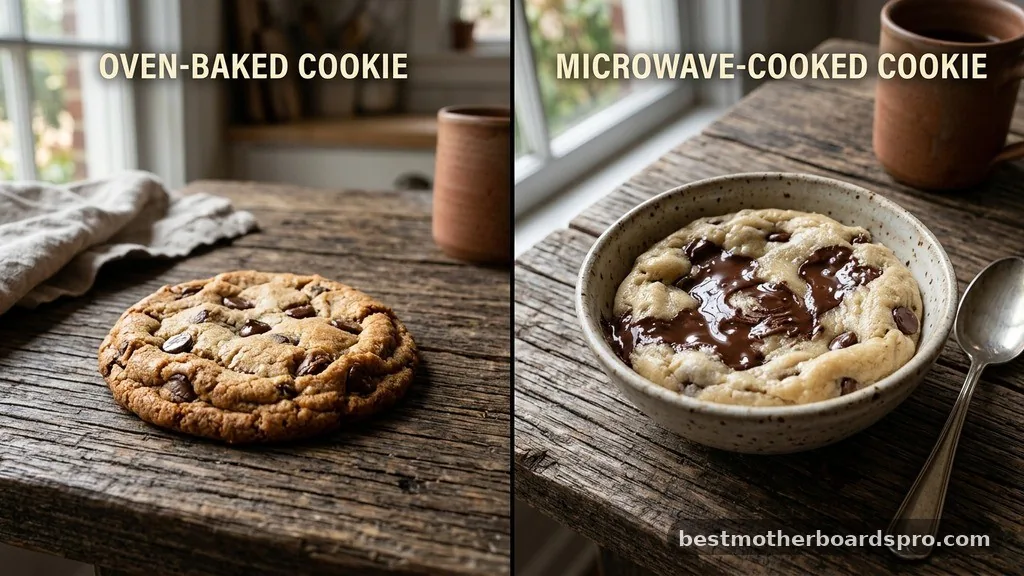
It is helpful to visualize the differences between these two methods to manage your expectations. The following table highlights the primary distinctions in texture, time, and final appearance.
| Feature | Conventional Oven | Microwave |
|---|---|---|
| Texture | Crispy edges, chewy center | Soft, molten, cake-like |
| Cooking Time | 10–15 minutes | 45–90 seconds |
| Maillard Reaction | High (browning) | Minimal (no browning) |
| Convenience | Requires preheating | Instant gratification |
Addressing Safety and Ingredient Quality
A major concern when asking if you can cook cookie dough in the microwave relates to food safety. Raw flour and raw eggs are common ingredients in commercial dough, and both carry risks of bacterial contamination like Salmonella or E. coli. While microwave heat is generally sufficient to kill pathogens, you must ensure the dough reaches an internal temperature of at least 160°F (71°C).
If you are using store-bought refrigerated dough, check the label to see if it is explicitly labeled as “safe to eat raw.” If it is, the flour has been heat-treated, which adds an extra layer of safety. Always use a food thermometer if you are unsure, or simply cook the dough until it is steaming hot and visibly firm throughout.
Tips for Enhancing Your Microwave Treat
Since microwave cooking is inherently different from baking, you can use a few tricks to improve the final product. Adding a few extra chocolate chips on top after the initial heating makes the dessert look more appealing and adds pockets of melted chocolate. You can also experiment with different dough types, such as peanut butter or oatmeal, which often hold up better in the microwave than delicate sugar cookie dough.
If you find your result is too dry, try placing a small cup of water in the microwave alongside your dough. The steam generated by the water helps keep the environment humid, preventing the dough from turning into a tough, rubbery puck. This simple adjustment is often the difference between a sad snack and a perfect, single-serving indulgence.
Overcoming Common Microwave Failures
Many people report that their dough becomes “rubbery” or “tough” after microwaving. This usually happens because of two factors: overcooking or using the wrong container.
Microwaves continue to cook food for a few seconds after the power turns off due to residual heat. If you microwave the dough until it looks perfectly done while inside the machine, it will likely be overcooked by the time you sit down to eat it.
Always pull the container out while the center still looks slightly underdone. Let it rest for one minute.
During this resting period, the heat will distribute evenly, and the dough will finish setting without the edges becoming charred or leathery. If you use a thin plastic bowl, the heat distribution will be uneven; always opt for thick ceramic or glass.
Topical Gaps: Microwave-Specific Dough Modifications
You might wonder if you can simply throw a whole tube of refrigerated dough into the microwave. You absolutely should not. The mass of dough is too thick for microwave energy to penetrate evenly, resulting in a burnt, smoking exterior and a cold, raw middle.
Another gap in common advice is the role of sugar. In a traditional oven, sugar caramelizes to provide flavor and structure. In a microwave, sugar simply melts.
If you want a deeper flavor, try mixing in a pinch of sea salt or a dash of cinnamon before microwaving. These additions help mask the slightly “bland” profile that can sometimes occur with rapid, steam-based cooking.
Frequently Asked Questions
Can you cook regular cookie dough in the microwave?
Yes, you can cook regular dough in the microwave, but it will not have the same texture as an oven-baked version. It will be softer, more like a warm brownie or a mug cake. Always ensure you use a microwave-safe container and watch the time closely to avoid toughness.
Is it safe to eat microwaved cookie dough?
It is generally safe if the dough reaches an internal temperature of 160°F. If you are concerned about raw eggs or flour, ensure the dough is steaming hot throughout. Using dough specifically labeled as “safe to eat raw” provides an extra safety margin regarding the flour content.
Can I put store-bought refrigerated dough in the microwave?
Yes, you can microwave store-bought dough, but it is best to portion it into a small ramekin rather than cooking the entire log at once. Start with short intervals of 30 seconds, stir or check the center, and add more time as needed to reach the desired consistency.
Why does my microwaved cookie dough taste rubbery?
Rubbery texture is almost always caused by overcooking. Because microwaves heat rapidly, the proteins in the egg and flour can tighten too quickly. To prevent this, pull the dough out while it still looks slightly underdone and let it sit for a minute to finish cooking via residual heat.
Conclusion
Mastering the art of using your microwave for dessert is a useful skill for anyone seeking a quick, sweet fix. While the results won’t perfectly mimic a batch of crispy, oven-baked treats, you can easily achieve a warm, satisfying, and safe snack by following the right techniques. By portioning your dough correctly, monitoring the cooking time, and allowing for a brief resting period, you can avoid the common pitfalls of rubbery or unevenly cooked dough.
Whether you are using a simple chocolate chip variety or experimenting with peanut butter, the microwave offers a reliable way to enjoy a single-serving treat in under a minute. Next time you crave something sweet, remember that you can cook cookie dough in the microwave successfully if you prioritize low-and-slow heating over raw power.