


Learning how to cook Maruchan ramen in microwave is a quintessential life skill for anyone needing a quick, budget-friendly meal. Whether you are in a college dorm, a busy office, or just craving a salty snack, the microwave offers a convenient solution. While many packages include warnings to avoid microwaving, you can easily prepare your meal by transferring the noodles to a safe container.
By using the right technique, you ensure your noodles reach the perfect texture without creating a mess. This approach turns a simple block of instant noodles into a satisfying meal in just a few minutes.
Understanding Microwave Safety for Instant Noodles

The primary reason you see “Do not microwave” warnings on some instant noodle cups is the container itself, not the food. Many foam cups are not designed to withstand the high heat required to boil water, which can cause them to warp or release chemicals. To safely handle the cooking process, you should always remove the noodles from their original packaging if it is made of thin plastic or foam.
Transferring your dry noodles to a microwave-safe ceramic or glass bowl is the best way to prevent accidents. These materials handle heat effectively and won’t melt or leach substances into your broth. When you move the noodles to a bowl, you gain better control over the water level and the final consistency of your dish.
Step-by-Step Cooking Process
Achieving perfectly cooked noodles requires a specific sequence of actions. You don‘t need a stove to get that classic, comforting texture. Follow these steps to ensure your meal turns out great every time.
- Fill a microwave-safe bowl with approximately two cups of water.
- Heat the water in the microwave for two to three minutes until it reaches a rolling boil.
- Carefully remove the bowl from the microwave using oven mitts, as the glass or ceramic will be extremely hot.
- Add the dry ramen noodles to the boiling water and submerge them completely.
- Cover the bowl with a small plate or lid to trap the steam, which helps cook the noodles evenly.
- Let the noodles sit for three to five minutes, depending on your preferred level of firmness.
- Stir in the seasoning packet once the noodles have softened to your liking.
Optimizing the Texture of Your Noodles
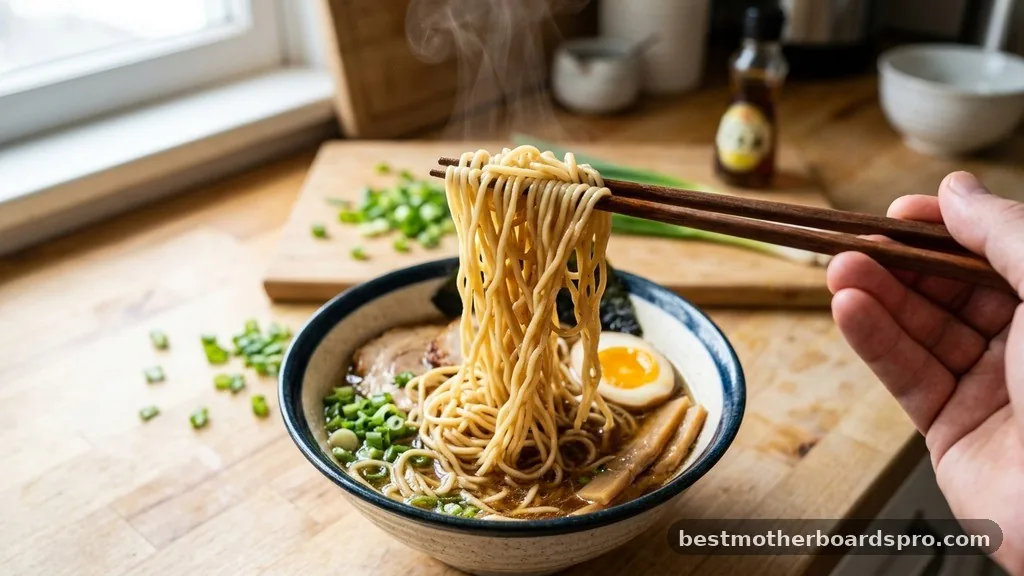
The texture of your meal often depends on the water-to-noodle ratio and the resting time. If you prefer your noodles to have a slight bite, aim for a shorter rest period. Conversely, if you enjoy softer noodles, allow them to sit in the hot water for an extra minute.
Avoid overcooking the noodles, as they can quickly turn mushy. Because the water retains heat for several minutes, the cooking process continues even after you take the bowl out of the microwave. Adding the seasoning only after the noodles are cooked prevents the salt from interfering with the rehydration of the wheat strands.
Enhancing Your Ramen with Simple Additions
Instant noodles serve as a blank canvas for various flavors. You can easily elevate your bowl by adding fresh ingredients. Incorporating a soft-boiled egg, chopped green onions, or a pinch of garlic powder can turn a basic snack into a more balanced meal.
| Ingredient | Preparation Method | Flavor Impact |
|---|---|---|
| Large Egg | Whisk and add to hot water | Adds protein and creaminess |
| Fresh Garlic | Mince finely | Provides aromatic depth |
| Spinach | Stir in at the end | Adds nutrients and color |
| Sesame Oil | Drizzle a few drops | Adds a nutty finish |
Addressing Common Misconceptions and Gaps
A common concern involves the health impact of instant noodles. While they are a convenient pantry staple, they are processed and high in sodium.
You can mitigate this by using only half of the seasoning packet or by adding fresh vegetables to dilute the salt concentration. Many people worry that microwave cooking destroys nutrients, but since instant ramen is already a pre-cooked and dried product, microwaving it simply rehydrates the starch.
Another gap in knowledge is the “noodle microwave” phenomenon. Some users attempt to cook the noodles directly in the water for the entire duration of the microwave cycle. This often leads to water boiling over and making a massive mess inside your appliance.
The “hot water soak” method described earlier is significantly cleaner and produces a more consistent result. Always prioritize safety by checking that your bowl is labeled as microwave-safe before starting.
Frequently Asked Questions
Can you cook Maruchan ramen in the microwave directly in the cup?
It is generally not recommended to microwave the original styrofoam cup, as the material may melt or degrade under high heat. To stay safe and avoid potential chemical leaching, always transfer the noodles into a ceramic or heat-resistant glass bowl before adding water and heating.
Why does my stomach hurt after eating instant ramen?
Stomach discomfort after eating instant noodles is often caused by the high sodium content or the preservatives used to keep the noodles shelf-stable. If you find your stomach hurts, try using less of the seasoning packet or adding fresh ingredients like vegetables to balance the meal better.
What is the best way to get a perfectly cooked noodle texture?
The secret to the perfect texture is not overcooking the noodles. Instead of boiling the noodles inside the microwave, bring the water to a boil first, then add the noodles and let them soak off the heat. This prevents the starch from breaking down into a mushy consistency.
Is it safe to add an egg to the bowl while it is in the microwave?
Adding an egg to the microwave can be risky because the steam trapped inside the egg can cause it to explode. If you want to add an egg, it is much safer to poach it separately or add a pre-boiled egg to the hot water after the noodles are finished.
Conclusion
Mastering the art of cooking Maruchan ramen in microwave is all about temperature control and safety. By moving your noodles to a proper bowl and utilizing a soak-based cooking method, you avoid the common pitfalls of messy overflows and plastic contamination. This simple shift in technique ensures that your quick meal remains both enjoyable and clean.
Don’t be afraid to experiment with different toppings to customize your bowl. Whether you prefer a hint of garlic, a splash of sesame oil, or some fresh greens, small additions make a big difference.
With these steps, you are well-equipped to prepare a satisfying, hot meal whenever the craving strikes. Enjoy your next bowl of ramen, and feel free to share your favorite flavor combinations with friends!