
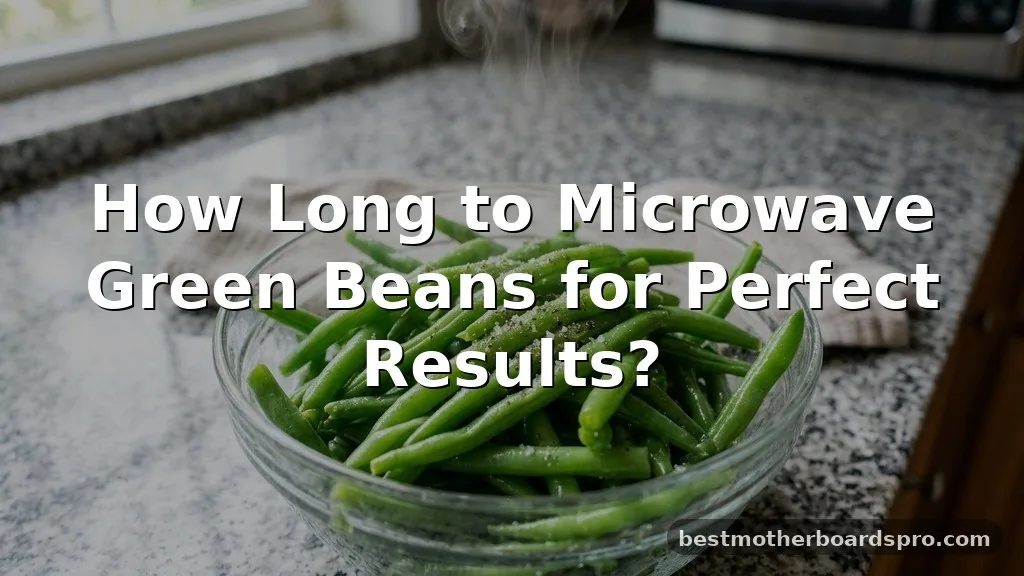
Figuring out exactly how long to microwave green beans is the secret to moving from mushy, overcooked vegetables to a crisp-tender side dish that actually tastes fresh. Many home cooks struggle with the balance between steaming the beans enough to soften them and accidentally turning them into a sad, rubbery mess.
When you master the timing, you can put a healthy, vibrant vegetable on the table in under ten minutes. Whether you are working with fresh produce straight from the garden or a bag of frozen veggies, understanding the moisture needs of these legumes is key to success.
Why Microwaving Is an Underrated Cooking Method
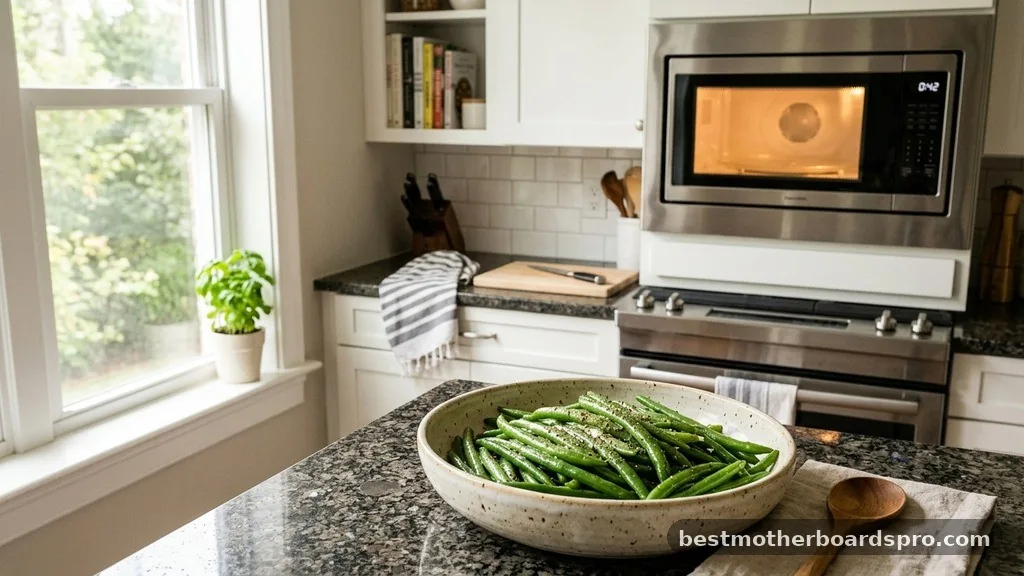
Microwaving is often dismissed as a tool for reheating leftovers, but it is actually one of the most efficient ways to steam vegetables. By using the beans’ own water content, you effectively steam them from the inside out, preserving their color and nutritional density better than boiling them in a large pot of water. This process is incredibly fast, making it a perfect solution for busy weeknights when you need a reliable side dish without the cleanup of multiple pans.
When you learn how long to microwave green beans, you gain a versatile skill that works for almost any bean variety. The goal is to achieve a tender-crisp texture that holds up well when you toss it with seasonings or butter later. Because microwave wattages vary, the timing is always an estimate, but it provides a consistent baseline for your kitchen experiments.
Preparing Your Green Beans for the Microwave
Before you worry about the timer, you must prepare the beans properly. If you are using fresh green beans, start by snapping off the woody ends.
You can do this by hand or by lining up a handful and slicing them with a sharp knife. If the beans are particularly long, cutting them into two-inch segments helps them cook more evenly.
Frozen beans are even simpler since they are usually pre-washed and trimmed. You don’t need to thaw them beforehand; in fact, the ice crystals on the outside of the beans provide the necessary steam to help them cook. Regardless of the type, keep your pieces uniform in size so that every bite reaches the same level of tenderness at the same time.
How Long to Microwave Green Beans Based on Quantity
The duration of your cooking time depends entirely on the volume of food in the dish. A small, single-serving portion will finish much faster than a large bowl meant for a family dinner. You should always start with a conservative estimate and add more time in short bursts if the beans are still too firm.
| Quantity of Beans | Estimated Cooking Time | Water Needed |
|---|---|---|
| 1/2 Pound (Fresh) | 3 to 4 Minutes | 2 Tablespoons |
| 1 Pound (Fresh) | 5 to 7 Minutes | 3 Tablespoons |
| 10 Ounce Bag (Frozen) | 4 to 6 Minutes | 1 Tablespoon |
Adjusting for Power Levels
Most microwaves operate at high power by default, which is perfect for steaming vegetables. However, if your machine is particularly powerful—over 1200 watts—you should reduce the time by about 20% to avoid scorching the beans.
If you find the ends of the beans are drying out while the centers stay raw, try lowering the power to 70% and increasing the total duration by a minute or two. This gentle approach ensures the heat penetrates the center of the bean without turning the exterior into mush.
The Importance of Moisture and Covering
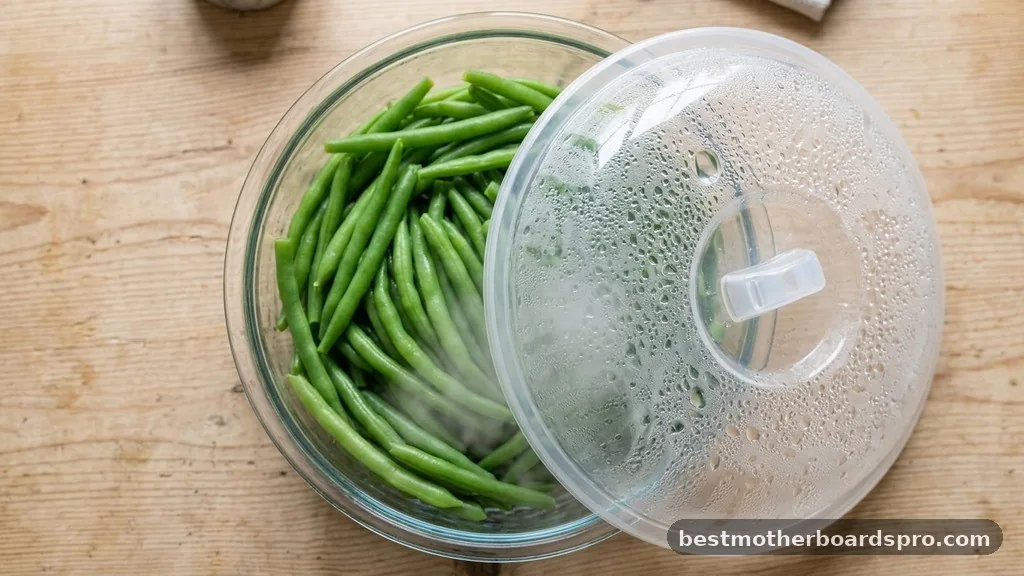
The biggest mistake people make when learning how long to microwave green beans is forgetting to add water. Since the microwave works by agitating water molecules, you need a small amount of liquid in the dish to create steam. Without this, the beans will dehydrate and become tough rather than tender.
Covering the dish is equally important. Using a microwave-safe plate or a sheet of plastic wrap creates a sealed environment that traps the steam.
If you use plastic wrap, make sure to leave a small vent at one corner so the excess pressure can escape. This simple step prevents the beans from exploding or drying out, ensuring they stay bright green and flavorful.
Adding Flavor After Cooking
Once the timer goes off, the beans will be extremely hot and will continue to cook in their residual heat. This is the perfect moment to toss them with your favorite flavorings. Because the beans are warm and slightly porous, they will readily absorb whatever you add to the bowl.
- Butter and Salt: A classic combination that highlights the natural sweetness of the beans.
- Lemon Zest: Adding a bit of brightness cuts through the earthiness of the vegetables.
- Toasted Garlic: Quickly sautéing garlic in a pan before tossing it with the beans adds a savory, aromatic crunch.
- Red Pepper Flakes: A tiny pinch provides a subtle heat that elevates a simple side dish.
Addressing Common Cooking Challenges
Even experienced cooks run into issues with microwave steaming. If your beans come out unevenly cooked, it is likely because they weren’t tossed or arranged properly.
Mid-way through the cooking cycle, stop the microwave and give the dish a good stir. This redistributes the heat and ensures that the beans on the bottom don’t get soggy while the ones on top remain raw.
If you find that the beans have become too soft, they are likely overcooked. Unfortunately, there is no way to reverse this, but you can save the dish by turning them into a salad.
Toss the soft beans with a vinaigrette, some feta cheese, and toasted nuts. The acidity of the dressing will distract from the texture, and the added crunch of the nuts will provide the missing contrast.
Frequently Asked Questions
Can I microwave green beans without adding any water?
Technically, you can, but it is not recommended. Adding a small amount of water creates the necessary steam environment to cook the beans evenly. Without it, the beans are prone to drying out, shriveling, or developing a tough, leathery texture rather than becoming crisp and tender.
How do I know when the beans are perfectly cooked?
The best way to check is by texture. You are looking for a “tender-crisp” consistency, meaning they should be soft enough to bite through easily but still retain a slight snap. If they look dull or olive-colored, they have likely been cooked for too long.
Is it safe to use plastic wrap in the microwave?
Yes, provided the plastic wrap is clearly labeled as microwave-safe. Always ensure the plastic does not touch the food directly, as the hot fat or moisture can cause the plastic to melt or warp. Leave a small gap to allow steam to escape during the cooking process.
Should I season the beans before or after microwaving?
Always season after cooking. Adding salt before microwaving can draw moisture out of the vegetables prematurely, leading to a shriveled appearance. Wait until the beans are finished and drained, then add your butter, salt, pepper, or herbs while they are still steaming hot to ensure the flavors coat every piece.
Final Thoughts on Mastering Microwave Green Beans
Achieving perfectly cooked vegetables in the microwave is less about following a rigid clock and more about understanding the interaction between heat, moisture, and time. By adding just a splash of water and covering your dish, you create the perfect environment for steaming. Remember that your specific microwave’s power and the quantity of beans you are cooking will dictate the final timing.
Start with the suggested ranges, check the texture halfway through, and adjust as needed to suit your personal preference. With a little practice, this quick method will become your go-to technique for getting a healthy side dish on the table in minutes. Don’t be afraid to experiment with different seasonings, as a simple toss of butter and lemon can transform a basic vegetable into something truly special.