

Learning how to steam veggies in the microwave is one of the most practical skills for anyone looking to put a healthy meal on the table in record time. While many people associate microwaves only with reheating leftovers, this appliance is actually a precise, efficient tool for cooking fresh produce.
By utilizing the natural moisture within the plants and a small amount of added water, you can achieve a perfect, tender-crisp texture that rivals traditional stovetop methods. Whether you are prepping broccoli for a quick dinner or need to soften carrots for a side dish, mastering this technique saves both time and cleanup effort in your kitchen.
Why Microwaving is an Ideal Steaming Method
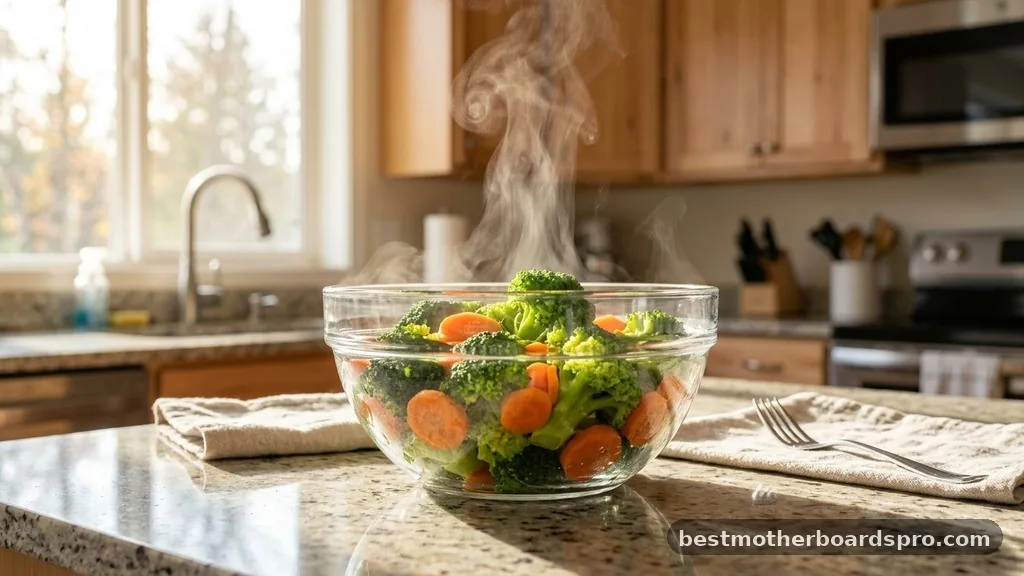
Many home cooks are surprised to learn that steaming in a microwave often retains more nutrients than boiling. When you boil produce, many of the water-soluble vitamins leach out into the cooking water, which is then poured down the drain. Because microwave steaming uses a minimal amount of water, those nutrients stay right where they belong—inside your food.
This method also offers unparalleled speed. You can transform raw produce into a ready-to-eat dish in just a few minutes. It is an excellent way to maintain the vibrant color and natural crunch of your produce without the risk of overcooking that often happens on a stove.
Preparing Your Produce for Success
Before you start the cooking process, the way you prepare the raw items is vital. Uniformity is the secret to consistent results. If your pieces are vastly different in size, some will turn into mush while others remain raw.
Take a moment to wash your produce thoroughly. Once cleaned, use a sharp knife to cut them into even, bite-sized pieces. If you are dealing with heartier options like a potato, try to slice them into cubes roughly one inch thick.
For broccoli, break the florets into pieces that are consistent in diameter. This ensures the heat penetrates evenly across the entire bowl, preventing those frustrating moments where half the meal is perfect and the other half is undercooked.
The Essential Steps for Perfect Microwave Steam
To get the best results, you need to create a self-contained environment that traps the heat. You don’t necessarily need a fancy specialized steamer basket to get the job done; a simple microwave-safe bowl and a plate or lid will work perfectly.
- Place your prepared pieces into a microwave-safe bowl.
- Add a small amount of liquid, usually two to three tablespoons of water, to the bottom of the bowl.
- Cover the container tightly with a microwave-safe lid or a plate, leaving a tiny gap for steam to escape.
- Set your microwave to high power and start with a conservative amount of time.
- Check the texture using a fork and add more time in small increments if necessary.
Comparing Cooking Times for Common Produce
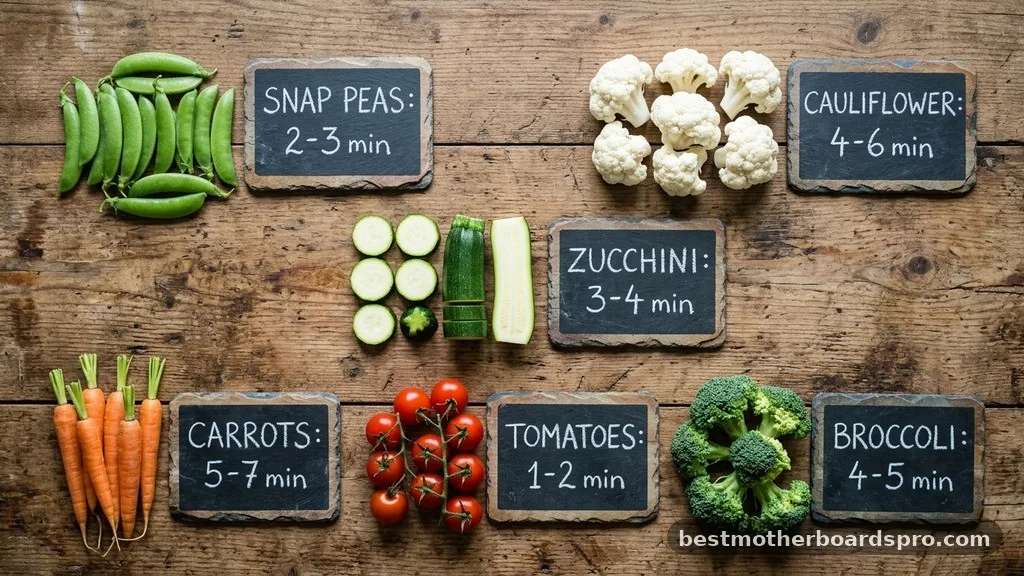
Different types of produce require different durations to reach the ideal tenderness. Dense, starchy items will always take longer than delicate, leafy greens. Use this table as a baseline, but remember that your specific appliance wattage may cause slight variations.
| Vegetable Type | Estimated Time (High Power) | Preparation Tip |
|---|---|---|
| Broccoli Florets | 3 to 4 Minutes | Uniform bite-sized pieces |
| Sliced Carrots | 4 to 6 Minutes | Cut into thin rounds |
| Diced Potatoes | 6 to 8 Minutes | Consistent 1-inch cubes |
| Green Beans | 3 to 5 Minutes | Trim the ends |
Addressing Common Challenges and Topical Gaps
One common mistake is using too much water. You are steaming, not boiling.
If you submerge the food, it will boil, which leads to soggy, flavorless results. Always err on the side of less water; you can always add a splash more if the bowl looks dry, but you cannot remove water once it has compromised your texture.
Another frequent issue involves the cover. If you seal the bowl completely airtight, the pressure buildup could be dangerous.
Always ensure there is a small vent for air to move, which prevents the container from exploding or the food from becoming rubbery. If you are worried about the food losing flavor, you can toss the items with a little olive oil, salt, or herbs before you start the cooking cycle.
Handling Different Varieties
Not all items react the same way to the intense heat of a microwave. Starchy items like a potato or sweet potato contain more moisture and density, requiring a longer stay in the heat. Conversely, softer produce like zucchini or spinach will wilt in under two minutes.
If you are cooking a mix of different types, try to group them by density. If you must cook them together, place the slower-cooking items in first for a few minutes before adding the faster-cooking ones. This simple staggered approach ensures everything is finished at the same time.
Safety and Practical Tips
When removing your bowl from the microwave, always use oven mitts. The steam trapped inside is extremely hot, and when you lift the lid or plate, it will release a burst of hot vapor. Open the lid away from your face to avoid a steam burn.
It is also helpful to let the food sit for about one minute after you turn off the microwave. This resting period allows the residual heat to finish the cooking process gently and helps the internal temperature even out. If you find the items are still slightly too firm, return them to the appliance for another thirty seconds.
Frequently Asked Questions
Is microwaving vegetables as healthy as other cooking methods?
Yes, it is often healthier. Because microwave steaming uses very little water and cooks quickly, it preserves more heat-sensitive vitamins and minerals than boiling. The minimal water usage ensures that nutrients do not leach out into the cooking liquid, keeping your food as nutrient-dense as possible.
How do I steam veggies in the microwave without a steamer basket?
You can easily use a standard microwave-safe bowl. Simply place your prepared produce in the bowl, add two tablespoons of water, and cover it with a microwave-safe plate. The plate acts as a lid, trapping the steam and allowing the food to cook perfectly without specialized equipment.
How do I know when the vegetables are finished cooking?
The best indicator is a fork test. Carefully pierce a piece; it should offer slight resistance but slide through easily.
If you are aiming for a tender-crisp texture, stop when the color becomes vibrant. Remember that the food will continue to soften slightly during the short resting period.
Can I steam frozen vegetables using this method?
Absolutely. Frozen produce is often already blanched, so it actually requires less time than fresh options.
You usually do not need to add extra water since there is already ice crystals present. Simply place them in a bowl, cover, and microwave for the time indicated on the package.
Final Thoughts on Microwave Cooking
Mastering the art of steaming veggies in the microwave changes how you approach daily meals. It removes the barriers of long prep times and complicated cleanup, making it much easier to include fresh produce in your diet consistently. By paying attention to the size of your cuts and the duration of your cook cycles, you can achieve professional results in your own home.
Experiment with different seasonings and pairings to see what works best for your palate. With a bit of practice, you will find that this method is an indispensable part of your routine. Start with your favorite produce today and see how simple it is to enjoy perfectly cooked sides with minimal effort.



