
Determining whether your kitchen gear is suitable for high-heat applications is a common concern for home cooks. Many households rely on Rubbermaid for their daily food storage needs, but confusion often arises regarding specific product lines and their heat tolerance. Knowing if your storage containers are safe to microwave prevents potential warping, chemical leaching, and ruined leftovers.
While many modern plastics are engineered for convenience, identifying the correct usage guidelines for your specific set ensures both the longevity of your kitchenware and the safety of your meals. This analysis clarifies how to verify your equipment’s status so you can confidently reheat food without second-guessing your plastic choice.
Understanding Microwave Safety in Plastic Containers
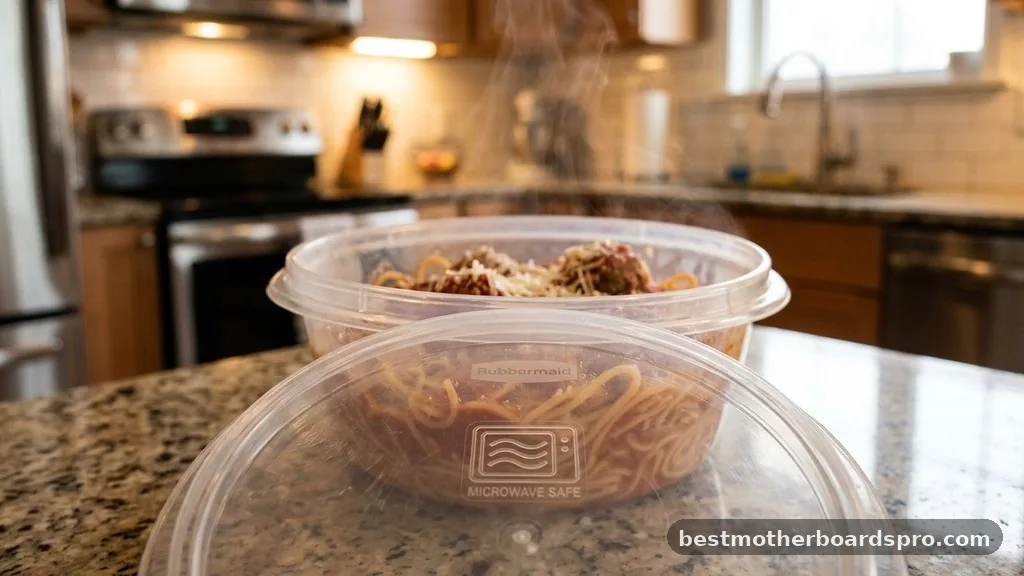
Most Rubbermaid products are designed with versatility in mind, but “microwave safe” is not a blanket term that applies to every item they produce. Manufacturers use specific types of polymers that can withstand varying degrees of thermal stress.
When you place a container in the microwave, the material must be stable enough to hold its shape while the contents heat up. If the plastic is not rated for this, it might soften, deform, or potentially transfer unwanted substances into your food.
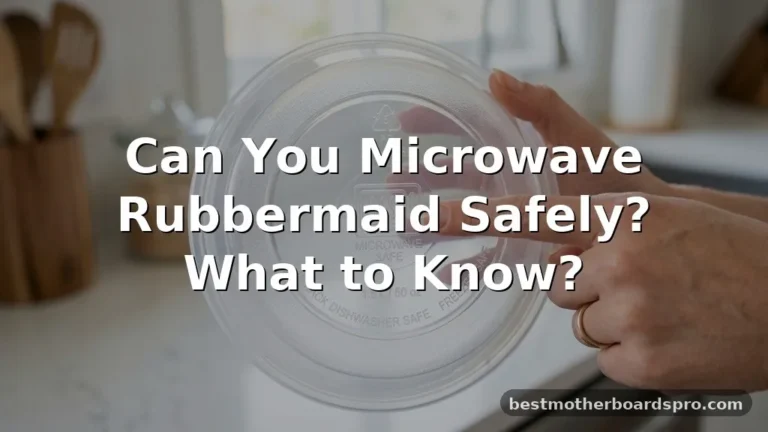
The primary indicator to look for is the microwave-safe symbol, which usually appears as a square icon with wavy lines inside it on the bottom of the container. If you do not see this icon, the manufacturer does not guarantee the product’s performance under microwave conditions.
Beyond the symbol, consider the age and condition of your containers. Older, scratched, or heavily stained plastic is more prone to breakdown, regardless of its original safety rating.
Identifying Different Rubbermaid Product Lines
Rubbermaid offers diverse lines, each serving different purposes in your kitchen. Distinguishing between these lines is crucial because a container meant for pantry storage might not be intended for the intense heat of a microwave oven.
- Brilliance: These crystal-clear containers are made from Tritan material, which is highly resistant to stains and odors. They are generally microwave-safe, provided the latches are opened to allow steam to escape.
- TakeAlongs: Designed as lightweight, disposable-style storage, these are safe for reheating in the microwave. However, they are not intended for long-term heavy-duty cooking.
- EasyFind Lids: This system focuses on organization. While many of these are microwave-safe, you must always check the individual base for the specific icon before heating.
- Glass Containers: Rubbermaid also produces glass versions of their popular storage styles. These are inherently more heat-resistant than plastic and are safe for both the microwave and the oven, though you must handle them carefully to avoid thermal shock.
The Role of Lids and Seals
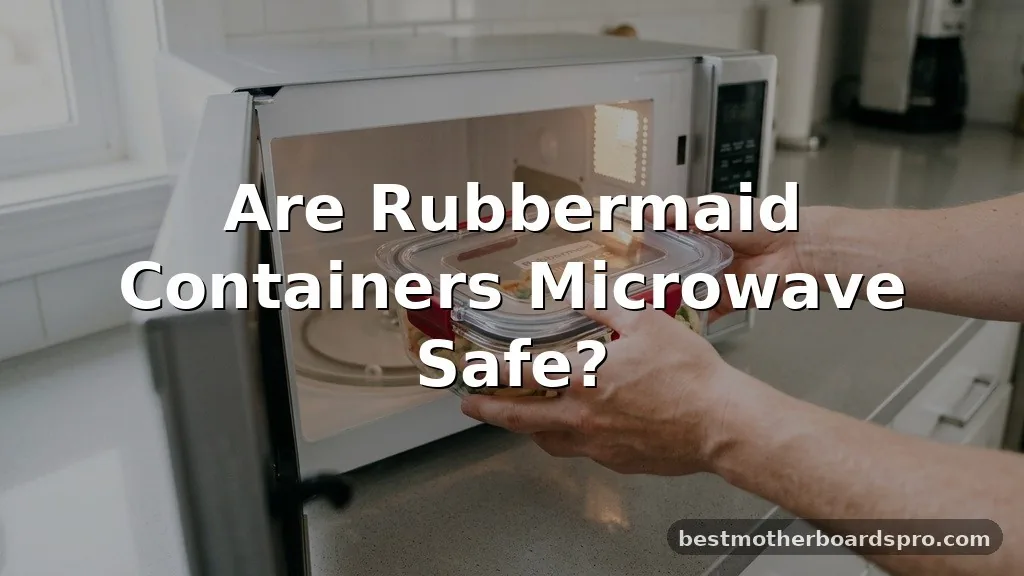
A common mistake involves heating food with the lid snapped shut. Even if a container is microwave-safe, the lid might create a pressure seal that causes steam to build up rapidly.
This pressure can warp the plastic or cause hot liquid to splatter. Always vent your container by leaving the lid ajar or using the integrated vents found on certain premium models.
If your set includes leakproof meal containers with silicone seals, pay extra attention to the manufacturer’s instructions. While the silicone is heat-resistant, it can sometimes trap heat differently than the plastic base. Keeping the lid loose ensures that the air pressure inside the container equalizes with the pressure inside the microwave, protecting the integrity of the seal and the container itself.
Comparing Container Materials and Heat Tolerance
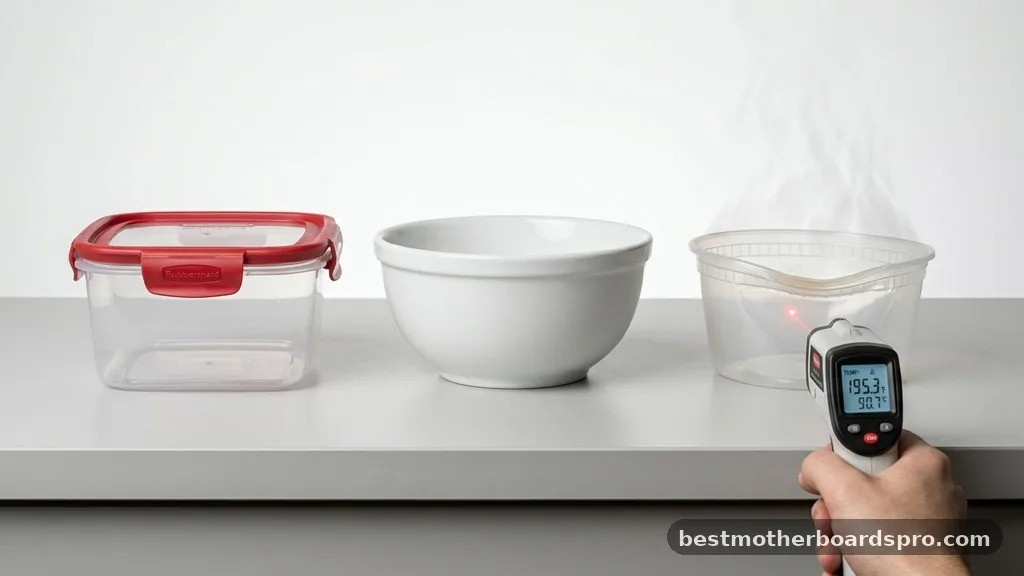
When choosing between different types of food storage, it helps to understand how materials react to heat. The following table compares common storage options found in most kitchens.
| Material Type | Microwave Suitability | Best Use Case |
|---|---|---|
| Standard Plastic | Varies (Check base) | Cold storage, pantry organization |
| Tritan (Brilliance) | High (Vent lid) | Meal prep, reheating liquids |
| Glass (Rubbermaid) | Excellent | Oven to table, reheating fatty foods |
| Lightweight Plastic | Short intervals only | Quick reheating, casual transport |
Addressing Common Misconceptions
Many users assume that all plastic containers are created equal, leading to ruined lunches or melted lids. One frequent myth is that any plastic labeled as BPA-free is automatically microwave-proof.
While being BPA-free is a positive health attribute, it has nothing to do with the melting point or thermal stability of the polymer. Always prioritize the microwave-safe icon over marketing terms like “BPA-free” when determining if you can safely heat your food.
Another point of confusion involves the length of time a container can stay in the microwave. Most plastic food storage is intended for reheating—typically two to three minutes—rather than cooking raw food from scratch. If you are preparing a meal that requires ten minutes or more of high-power heating, transfer the food to a ceramic or glass bowl to avoid stressing the plastic.
Best Practices for Microwave Reheating
To maximize the life of your containers and ensure the best results for your food, follow these simple habits. First, avoid heating foods that are extremely high in fat or sugar. These substances can reach temperatures exceeding the melting point of many plastics, causing “pitting” or permanent white spots on the interior of the container.
Second, stir your food halfway through the heating process. This prevents hot spots from forming in one area, which can lead to localized melting of the container walls.
Finally, if you notice your containers have become cloudy, warped, or cracked after repeated use, it is time to recycle them. The structural integrity of the plastic has been compromised, and it is no longer reliable for high-heat applications.
FAQ
Are all Rubbermaid containers safe to microwave?
No, not all Rubbermaid containers are designed for microwave use. While many are, you must check the bottom of the container for the microwave-safe symbol. If the symbol is absent, the product has not been tested for microwave heating and should not be used in the oven.
What happens if I microwave a non-safe container?
If you microwave a container not rated for heat, it may warp, melt, or release chemicals into your food. At a minimum, the plastic will lose its shape and structural integrity, making the lid difficult to seal properly for future storage or transport.
Should I remove the lid when microwaving food?
It is best practice to either remove the lid entirely or leave it slightly offset to allow steam to escape. If the container features a built-in vent, ensure it is in the open position to prevent pressure buildup and potential splattering inside your appliance.
Can I safely reheat fatty foods in plastic?
It is generally safer to avoid heating high-fat or high-sugar foods in plastic. These ingredients can heat up much faster than the plastic itself, often causing the interior surface of the container to soften or develop permanent damage, even if the container is technically microwave-safe.
Maintaining Your Storage Collection
Proper care extends the lifespan of your food storage gear significantly. When you know whether your Rubbermaid containers are microwave safe, you can confidently integrate them into your daily routine. Always prioritize containers marked with the microwave-safe icon and remember to vent your lids to prevent steam damage.
If you frequently reheat meals, consider investing in a glass-based set to avoid the wear and tear associated with long-term plastic exposure. By following these guidelines, you ensure that your meal prep remains efficient and your kitchenware stays in top condition. If you have questions about a specific piece in your collection, a quick check of the base remains the most reliable method for confirmation.