

Many people wonder if they can cook eggs in the microwave when they are in a rush and need a quick breakfast. The good news is that you absolutely can prepare them this way, provided you follow a few basic safety rules. Microwaving is an efficient method for busy mornings, offering a speedy alternative to traditional stovetop frying or boiling.
By mastering the right techniques, you will find that it is possible to achieve delicious results without the mess of pots and pans. Whether you are craving a fluffy scramble or a poached treat, learning how to handle these proteins properly will save you significant time and effort.
Understanding the Physics of Microwave Egg Cooking
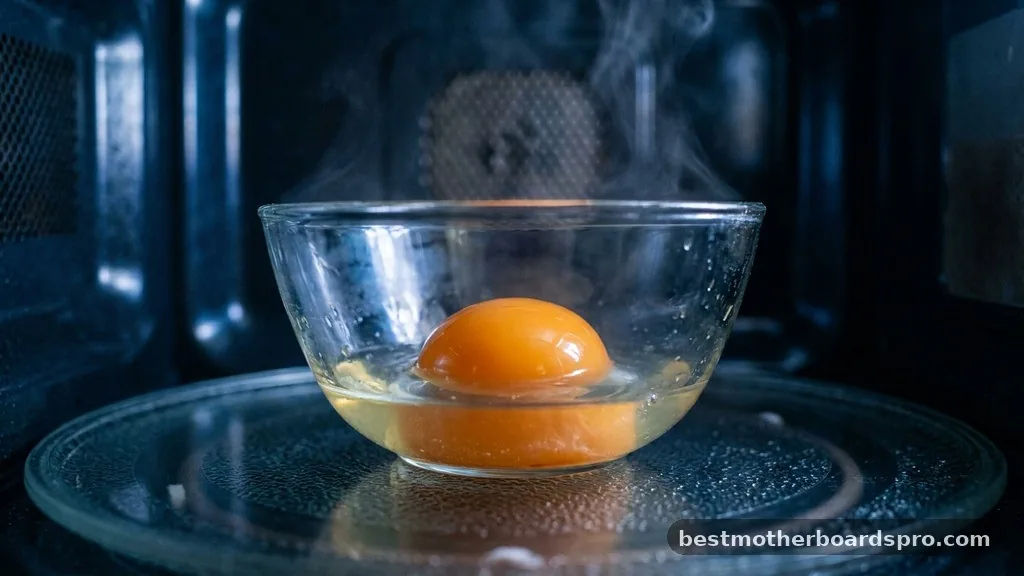
When you decide to cook eggs in the microwave, you are dealing with rapid heat transfer. Microwaves work by vibrating water molecules, which creates friction and heat. Because eggs contain high water content, they react very quickly to this energy.
If you heat an egg too rapidly or in a sealed environment, the internal steam pressure builds up faster than the protein can set. This is why you must always pierce the yolk or whisk the contents thoroughly before applying heat.
The primary risk involved is the egg exploding due to the trapped steam. By breaking the membrane of the yolk or whisking the whites and yolks together, you allow that steam to escape safely. Using a microwave-safe container is also non-negotiable.
Glass or ceramic dishes are generally best, as they don’t leach chemicals and distribute heat more evenly than thin plastic containers. Always ensure your dish is deep enough to accommodate a bit of expansion during the cooking process.
Simple Methods for Scrambled Eggs
Scrambled eggs are the most forgiving dish to prepare in a microwave. The process is straightforward and results in a light, fluffy texture that rivals stovetop versions. You will need a microwave-safe bowl or a sturdy mug to get started.
To prepare the perfect bowl of eggs, crack two large eggs into your container. Add a tablespoon of milk or water to help steam the mixture and keep it moist.
Whisk the mixture vigorously with a fork until the whites and yolks are fully combined. Season with a pinch of salt and pepper to taste.
- Crack eggs into a microwave-safe bowl or mug.
- Add one tablespoon of liquid like milk, cream, or water.
- Whisk thoroughly until no streaks of white remain.
- Microwave on high for 45 seconds to start.
- Stir the mixture to redistribute the cooked parts.
- Heat in 15-second intervals until the desired consistency is reached.
Comparing Cooking Methods for Eggs
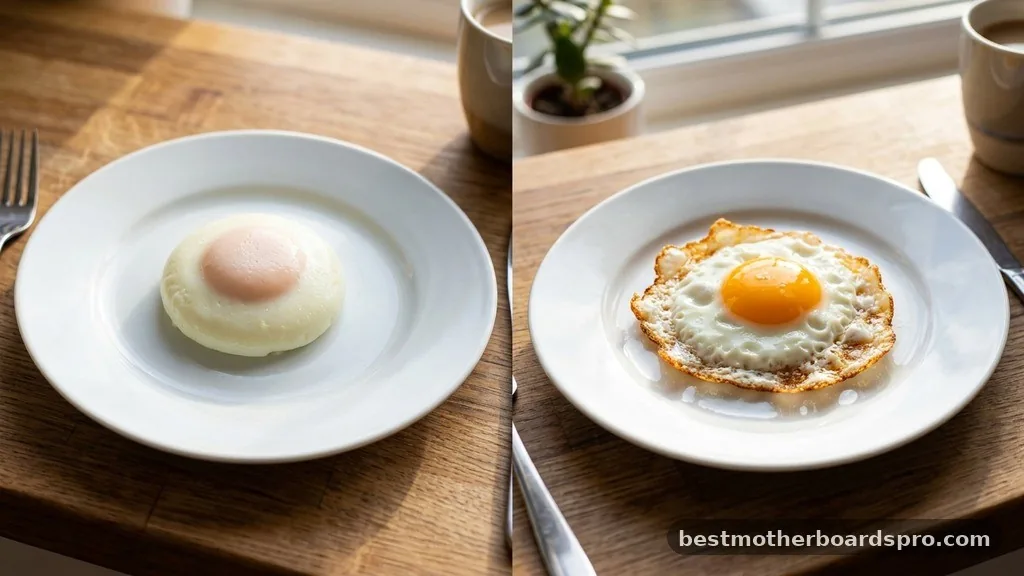
Choosing the right way to cook your morning meal often comes down to available time and equipment. While the stovetop allows for more precise temperature control, the microwave wins in terms of convenience and minimal cleanup. The following table compares common methods to help you decide which approach fits your routine.
| Method | Cooking Time | Cleanup Difficulty | Texture Result |
|---|---|---|---|
| Stovetop Scramble | 5-7 minutes | Moderate (Pan + Spatula) | Creamy and uniform |
| Microwave Scramble | 1.5-2 minutes | Low (Bowl + Fork) | Light and fluffy |
| Stovetop Poached | 4-5 minutes | High (Pot + Strainer) | Classic, tender |
| Microwave Poached | 1 minute | Low (Mug + Water) | Firm, quick |
Adding Flavor and Texture
Once you are comfortable with the basic process, you can easily elevate your dish with various mix-ins. Since microwave cooking is fast, you should ensure that any additions are either pre-cooked or cut into very small pieces. Cheese, for example, is a fantastic addition that melts beautifully in the residual heat of the eggs.
When adding cheese, sprinkle it on top during the final 15 seconds of cooking. This prevents it from burning or becoming overly rubbery. Fresh herbs like chives or parsley can be stirred in after the cooking is complete to maintain their bright color and flavor.
If you want a more substantial meal, consider stirring in pre-cooked bacon bits or sautéed spinach. Just remember that the total cooking time might increase slightly with a larger volume of food in the bowl.
Addressing Common Challenges and Topical Gaps
One of the biggest questions people have involves whether they can cook eggs in the microwave with the shell on. The answer is a definitive no. Never attempt to microwave a whole, unpeeled egg.
The shell acts as a pressure vessel, and as the internal temperature rises, the steam will cause the egg to burst violently. This creates a dangerous situation and a significant mess inside your appliance.
Another common concern is the “rubbery” texture that some people experience. This usually happens when the egg is overcooked. Microwaves continue to cook food even after the timer stops, thanks to residual heat.
To avoid this, pull the eggs out when they still look slightly wet or underdone. Let them sit for about 30 seconds on the counter. The heat trapped within the bowl will finish the process perfectly, leaving you with a tender, delicious result.
Safety Tips for Microwave Success
Always prioritize safety when working with high-heat appliances. Because steam builds up inside the bowl, the contents will be extremely hot when you remove them.
Use an oven mitt or a thick towel to handle the container. Additionally, start with lower power settings if you find that your specific microwave runs hot, as this gives you more control over the coagulation process.
If you are cooking for more than one person, it is better to cook individual portions separately rather than doubling the batch in one large bowl. Crowding the container can lead to uneven cooking, where some parts are rubbery while others remain raw. By keeping portions small, you ensure that the heat penetrates the mixture consistently every time.
FAQ
Can I cook a fried egg in the microwave?
While you can simulate a fried egg using a small, greased ramekin, it won’t have the same crispy edges as a stovetop version. Grease the dish, crack the egg, pierce the yolk with a toothpick, and cook on medium power for about 45 to 60 seconds.
Why do my microwave eggs smell strong?
Eggs contain sulfur, which can release a pungent odor when heated rapidly. To minimize this, do not overcook the eggs. If you stir them well during the process, the sulfur compounds disperse more evenly, and the smell is significantly reduced compared to leaving them undisturbed.
Do I need to cover the bowl while cooking?
Using a microwave-safe plate or a paper towel as a loose cover can help trap steam and cook the eggs more evenly. This also prevents any accidental splattering inside your microwave, making your cleanup process much faster and easier. Just ensure the cover is not airtight.
How do I know when the eggs are done?
The eggs are finished when the edges are set and the center looks slightly soft or glossy. Remove the dish immediately and let it stand for 30 seconds. The residual heat will finish the cooking process, ensuring the final texture is light and moist rather than rubbery.
Final Thoughts on Microwave Cooking
Learning to prepare eggs in the microwave is a simple skill that pays off during busy mornings. By focusing on constant stirring, using the right power settings, and respecting the need for steam to escape, you can produce a high-quality meal in minutes. Don’t be afraid to experiment with different seasonings or small amounts of cheese to find your favorite flavor profile.
Once you master these basic steps, you will have a reliable, low-effort breakfast option at your fingertips whenever you need it. Start with a single egg to gauge your microwave’s intensity, and enjoy the convenience of this quick cooking technique.