

Deciding whether you can safely place your kitchen gear inside an appliance often leads to confusion, particularly when wondering if stainless steel can go in the microwave without causing a kitchen disaster. While many of us have been warned since childhood that metal and microwaves don’t mix, the reality is a bit more nuanced than a simple “yes” or “no.”
Understanding the interaction between electromagnetic waves and conductive materials is essential for keeping your home safe and your appliances running efficiently. By learning the science behind why certain items spark and others don’t, you’ll gain the confidence to choose the right materials for your daily heating needs.
The Physics of Metal in Microwaves
When you activate your microwave, it produces electromagnetic waves that oscillate at a specific frequency. These waves are designed to excite water molecules within your food, creating friction that generates heat. When these waves encounter a conductive material like metal, the situation changes drastically.
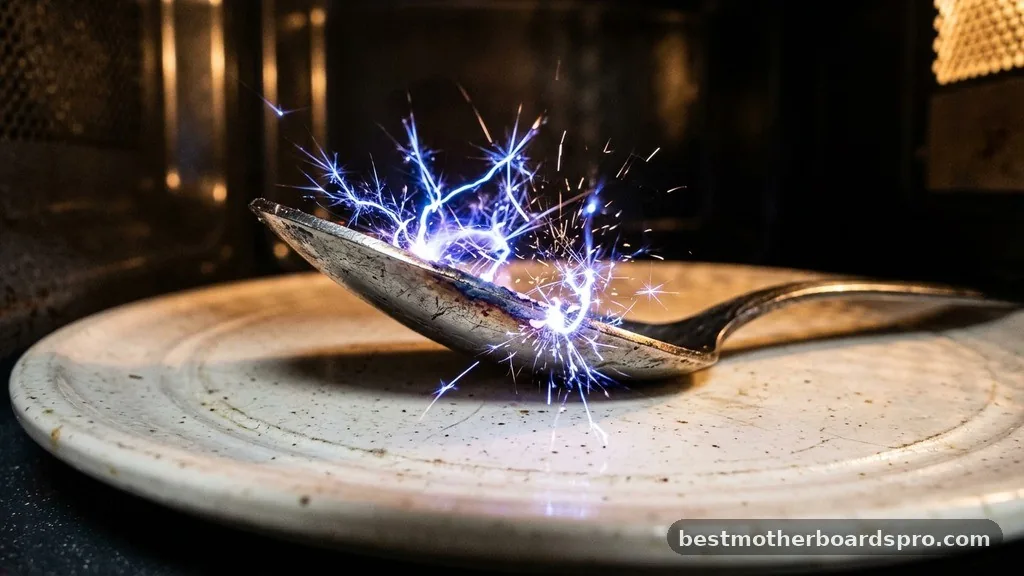
Metal acts as a conductor for electricity. When microwaves hit a metal surface, the free electrons within the metal move rapidly back and forth in response to the changing electromagnetic field. If the metal object has sharp edges, thin points, or is crumpled, this rapid electron movement can lead to a buildup of static electricity.
Once the voltage becomes high enough, it ionizes the air, causing an electric arc—essentially a small bolt of lightning—to jump between points or from the metal to the microwave walls. This phenomenon is what you see when you accidentally leave a fork in a bowl.
Why Stainless Steel Is Tricky
You might be surprised to learn that stainless steel isn’t inherently “explosive” in a microwave, but its geometry matters immensely. A thick, smooth, and rounded stainless steel container might not spark at all, whereas a thin, jagged, or foil-like piece of metal will almost certainly cause arcing.
The primary issue with using stainless steel in a microwave is that it reflects the waves rather than allowing them to pass through to the food. This creates a shielding effect. If your food is inside a deep stainless steel container, the microwaves are blocked by the walls of the vessel.
The result is uneven heating, where the top of the food might get warm from stray waves, but the center remains cold. Even if you don’t experience dangerous sparks, you’ll likely end up with a lukewarm meal that requires much longer heating times than usual.
Comparing Microwave-Safe Materials
Choosing the right container for your food storage and reheating needs is the best way to avoid damage. While some modern, high-end kitchenware claims to be microwave-safe, standard metal often falls short of these safety standards.
| Material | Microwave Safety | Best Use Case |
|---|---|---|
| Glass | Excellent | Reheating and cooking |
| Ceramic | Generally safe | Serving and heating |
| Stainless Steel | Risky/Not Recommended | Cold food storage only |
| Plastic | Check label | Short-term storage |
Addressing Common Misconceptions

There is a persistent myth that all metal is strictly forbidden in microwave ovens. However, many modern microwave designs actually incorporate metal components, such as racks or internal shielding, which are engineered to handle the energy safely. The danger arises when you introduce irregular, thin, or sharp-edged metal objects that are not designed for that specific appliance.
Another common point of confusion involves the difference between “microwave-safe” labels and reality. If a manufacturer hasn’t specifically tested a container, you should never assume it’s safe.
Even if a stainless steel container feels heavy and smooth, the risk of micro-arcing at seams or joints remains a concern. It is far safer to transfer your leftovers to a glass or ceramic dish before you start the heating process.
Practical Alternatives for Daily Use
If you are looking for the best way to handle your lunch or store food, sticking to non-metallic options is the gold standard. Glass and ceramics are chemically inert, meaning they won’t leach chemicals into your meal regardless of the temperature.
- Borosilicate glass containers are thermal-shock resistant and perfect for transitions from the fridge to the microwave.
- Microwave-safe ceramic mugs are excellent for heating soups or beverages.
- High-quality, BPA-free plastics labeled specifically for microwave use are lightweight alternatives.
- Paper towels or microwave-safe covers help prevent splatters and maintain moisture levels during the heating process.
The Risks of Ignoring Safety Guidelines
Ignoring the warnings about putting metal in your appliance can lead to more than just a ruined lunch. Arcing can cause permanent pitting on the interior walls of your microwave, which can degrade the protective coating and potentially damage the magnetron, the component responsible for generating the microwaves.
Furthermore, if your stainless steel container has any decorative metal trim or metallic paint, these elements can heat up rapidly and crack or peel. In some cases, the heat generated by the arcing can even melt nearby plastic components inside the microwave.
Protecting your equipment is just as important as preventing a fire hazard. When in doubt, always err on the side of caution and use a microwave-safe alternative.
Frequently Asked Questions
Is it ever safe to put stainless steel in a microwave?
While some specialized, smooth-walled stainless steel containers are designed to be microwave-safe, it is generally not recommended for standard household use. The risk of arcing, uneven heating, and potential damage to the microwave’s internal components makes glass or ceramic containers a much safer and more reliable choice.
What happens if I accidentally microwave a stainless steel box?
If you accidentally heat a stainless steel box, you may notice sparking or arcing, especially if the container has sharp edges or thin seams. If this happens, turn off the microwave immediately. Even without sparks, the food likely won’t heat properly because the metal reflects the energy.
Can I use stainless steel utensils for stirring food in the microwave?
It is best to avoid using metal utensils inside a running microwave. While a spoon left in a liquid for a short time might not cause an immediate explosion, it creates a risk of arcing. Always opt for wooden, silicone, or heat-resistant plastic utensils to ensure you remain safe.
Are there microwave-safe stainless steel lunch boxes on the market?
Some companies manufacture stainless steel food storage containers specifically engineered for microwave use. These products are usually designed with rounded edges and specific alloys that minimize the risk of arcing. Always verify the manufacturer’s specific instructions before attempting to use any metal product in your microwave oven.
Final Thoughts on Microwave Safety
Navigating the rules of kitchen safety doesn’t have to be complicated. While it’s technically possible to find specialized containers that allow for metal in the microwave, for the vast majority of your daily tasks, sticking to glass, ceramic, and labeled microwave-safe plastics is the smartest path. Understanding that stainless steel reflects energy helps explain why your food might not heat evenly, even if you avoid the dangerous sparks.
By prioritizing these safe habits, you preserve your appliances and ensure your meal prep remains a stress-free part of your day. If you have questions about specific items in your kitchen, checking the manufacturer’s guidelines is always the best way to stay informed and safe.