
Many home cooks wonder if they can effectively prepare vegetables using high-frequency energy, and the short answer is that yes, you can cook carrots in the microwave with excellent results. This method is surprisingly efficient for busy weeknights when you need a healthy side dish without waiting for a pot of water to boil.
By utilizing the appliance’s ability to steam vegetables in their own moisture, you retain more nutrients and flavor than you might expect. Learning to properly cook carrots in the microwave saves significant time, allowing you to focus on the main course while your vegetables reach the perfect level of tenderness in just a few minutes.
Understanding the Microwave Cooking Process for Carrots
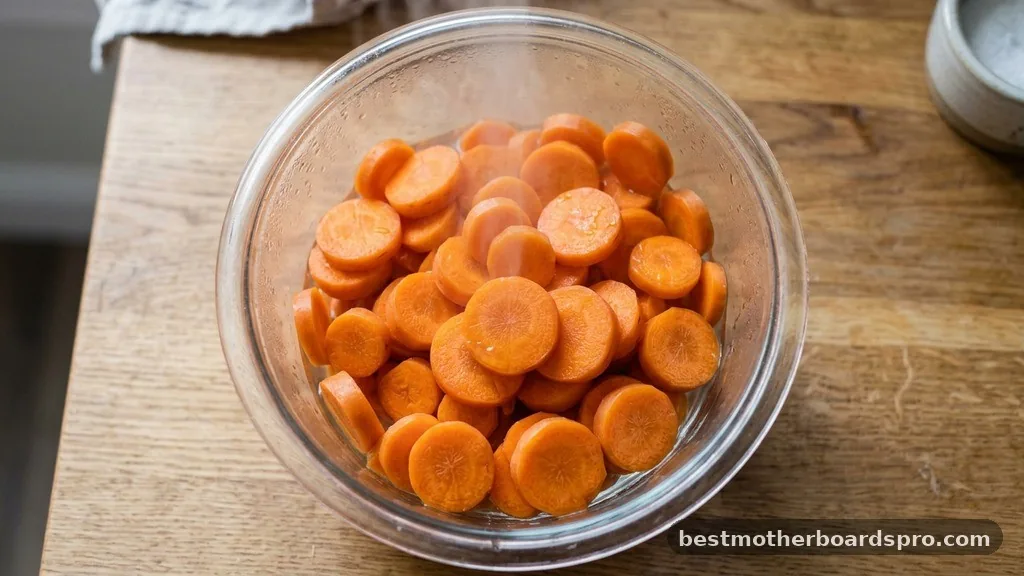
When you decide to cook carrots in the microwave, you are essentially using a steaming process. Microwaves work by agitating water molecules within the food, which generates internal heat.
Because carrots are dense, they require a bit of added liquid to create enough steam to soften their cellular structure effectively. Without this small amount of water, you risk dehydrated, rubbery pieces rather than tender, delicious vegetables.
The beauty of this technique lies in its speed. Unlike boiling, which requires heating a large volume of water first, microwave cooking starts working the moment you press the start button. Whether you are using whole baby carrots or slicing larger ones into rounds, the process is remarkably consistent.
Essential Preparation Steps for Success
To ensure your vegetables come out perfectly every time, follow these basic preparation steps. Proper prep is the difference between a soggy mess and a vibrant, flavorful addition to your plate.
- Wash and peel your carrots thoroughly to remove any grit or bitter skin.
- Uniformity matters; slice your carrots into similar sizes to ensure they cook evenly.
- Choose a microwave-safe dish that allows for a single layer of vegetables if possible.
- Add two to three tablespoons of water to the bottom of the dish to facilitate steaming.
- Cover the container with a microwave-safe lid or a piece of vented plastic wrap to trap the steam.
Comparing Cooking Methods for Carrots
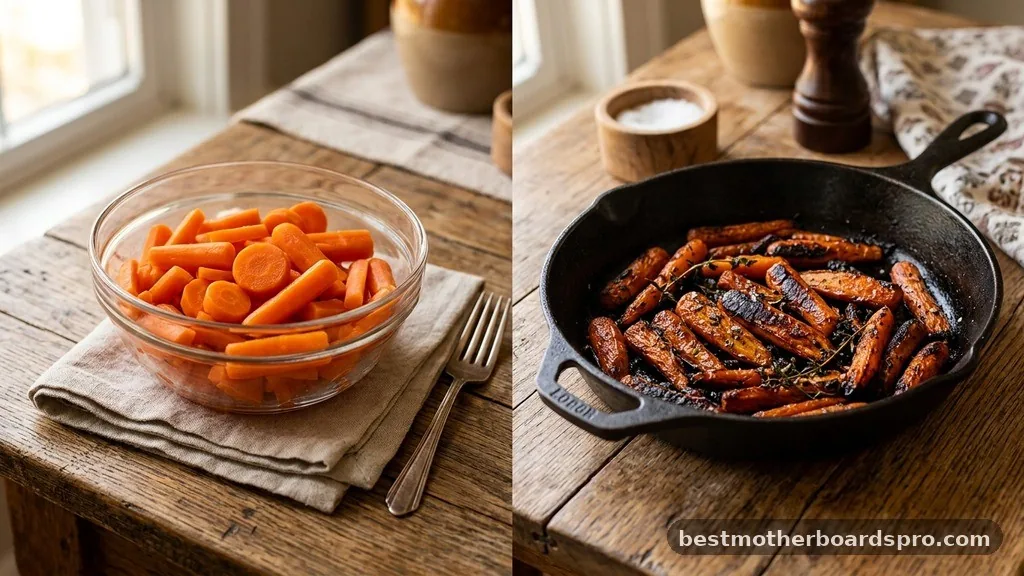
Choosing between cooking methods often comes down to balancing texture preferences with time constraints. While roasting provides a caramelized depth, microwaving is superior for preserving the natural, fresh snap of the vegetable.
| Method | Cooking Time | Texture | Best For |
|---|---|---|---|
| Boiling | 8-12 Minutes | Very Soft | Soups and mashes |
| Microwaving | 3-6 Minutes | Crisp-tender | Quick side dishes |
| Roasting | 25-35 Minutes | Caramelized | Flavor depth |
Achieving the Perfect Texture
The primary goal when you cook carrots in the microwave is to reach the “crisp-tender” stage. This means the vegetable is soft enough to pierce easily with a fork but still retains a slight resistance in the center. Overcooking is a common mistake that leads to mushy, unappealing results.
Start by checking your carrots after three minutes. If they are still too firm, continue in one-minute increments.
Remember that the residual heat will continue to soften the carrots even after you remove them from the appliance. If you intend to add butter or glazes, do so immediately after draining the excess water so the flavors can penetrate the surface while the vegetables are still steaming hot.
Enhancing Flavor Profiles
Once you master the basic technique, you can easily transform these simple vegetables into a sophisticated side dish. Because the microwave cooking process is so neutral, it acts as a blank canvas for various seasonings and aromatics.
Sweet and Savory Glazes
For a classic crowd-pleaser, try tossing your cooked carrots with a small amount of melted butter and a sprinkle of brown sugar. The heat from the carrots will melt the butter and dissolve the sugar, creating a delicious, light glaze. If you prefer a savory profile, skip the sugar and opt for fresh herbs like parsley, thyme, or a pinch of garlic powder.
The Importance of Steam Management
Always use caution when removing the cover from your dish. The steam trapped inside is extremely hot and can cause burns if you aren’t careful. Use a fork or tongs to lift the edge of the lid away from your face, allowing the steam to escape safely before you begin seasoning.
Addressing Common Topical Gaps
Many people worry about the nutritional integrity of microwave-cooked vegetables. Scientific studies suggest that because microwave cooking is fast and uses minimal water, it is actually one of the best ways to retain water-soluble vitamins compared to boiling, where nutrients often leach into the cooking liquid. You aren’t just saving time; you are potentially serving a more nutrient-dense product.
Another common concern is whether you can cook whole carrots without cutting them. While it is possible, it is not recommended for standard home microwaves.
Whole carrots vary significantly in thickness, leading to uneven cooking where the ends become mushy while the center remains raw. If you must cook them whole, aim for carrots of a similar diameter and increase your cooking time by two to four minutes, checking frequently for doneness.
Troubleshooting Your Microwave Results
If you find your carrots are coming out dry or uneven, take a look at your equipment. Not all microwave-safe dishes are created equal.
A shallow, wide container is generally better than a deep bowl because it allows for a more even distribution of energy. If you are using a bowl, you may need to stir the contents halfway through the cooking time to ensure the top layer receives as much steam as the bottom layer.
Also, consider the power level of your appliance. Most modern microwaves are quite powerful, and running them at 100% power for too long can cause the edges of the carrots to dehydrate.
If you find your appliance is particularly aggressive, try dropping the power level to 80% and extending the cooking time slightly. This gentler approach helps ensure the vegetables cook through to the center without losing their structural integrity.
Frequently Asked Questions
Can you cook baby carrots in the microwave without adding water?
While you can technically cook baby carrots without water, it is risky. The lack of steam often results in dehydrated, wrinkled carrots that taste tough. Adding just a splash of water ensures they steam properly and remain tender, resulting in a much better texture and flavor.
How long should I cook carrots in the microwave for the best results?
For most quantities, three to six minutes is the sweet spot. It depends on the size of the carrot pieces and the wattage of your microwave. Start with three minutes, test them with a fork, and add more time in one-minute bursts until they reach your desired tenderness.
Is it better to boil or microwave carrots for a side dish?
Microwaving is generally better for a quick side dish because it is faster and preserves more nutrients. Boiling is better if you are preparing large quantities for soups or stews where the texture of the carrot doesn’t need to remain firm or distinct.
Can I season the carrots before I put them in the microwave?
You can add dry spices like salt, pepper, or garlic powder before cooking. However, avoid adding butter or sugar until after the cooking process is finished. Sugars can burn or create hot spots in the microwave, and butter can separate or boil over, making a mess.
Final Thoughts on Microwave Cooking
Mastering the ability to cook carrots in the microwave is a simple yet powerful skill that streamlines your time in the kitchen. By focusing on uniform cutting, using a small amount of liquid, and monitoring the cooking time carefully, you can achieve a perfectly tender side dish that pairs well with almost any main course.
Experimenting with different herbs and glazes allows you to elevate this humble vegetable into a staple of your weekly meal rotation. Now that you know how straightforward the process is, you can confidently reach for the microwave next time you need a healthy, fast, and delicious vegetable addition to your dinner.