
If you have ever wondered whether you can microwave bacon, the short answer is yes, and it is often faster than using a traditional stovetop skillet. Many home cooks shy away from this method because they worry about texture or mess, but with the right technique, you can achieve results that are surprisingly close to pan-fried strips.
Microwaving is an efficient way to prepare breakfast on busy mornings, turning raw meat into a crispy snack in just a few minutes. By managing the heat and moisture properly, you will find that this appliance is more than capable of handling your favorite breakfast side.
The Science of Microwaving Bacon
When you cook bacon in the microwave, you are essentially using high-frequency waves to agitate the water molecules within the meat. As these molecules vibrate, they generate heat, which then renders the fat. Unlike a frying pan, which uses direct conductive heat from a burner, the microwave relies on the moisture inside the strips to facilitate the cooking process.
Because microwaves do not provide the same dry, radiant heat as an oven, managing the steam is the most important part of the job. If you do not use paper towels, the bacon will sit in its own pooling grease and steam, leading to a chewy or rubbery texture rather than the desired crunch. Proper drainage is the key to success.
Setting Up Your Microwave Station
To get the best outcome, you need a stable, heat-safe surface and plenty of absorbent material. You should never place strips directly onto a cold dinner plate, as the lack of airflow will prevent the fat from rendering properly. Instead, create a setup that allows for both heat distribution and grease absorption.
Essential Equipment for Success
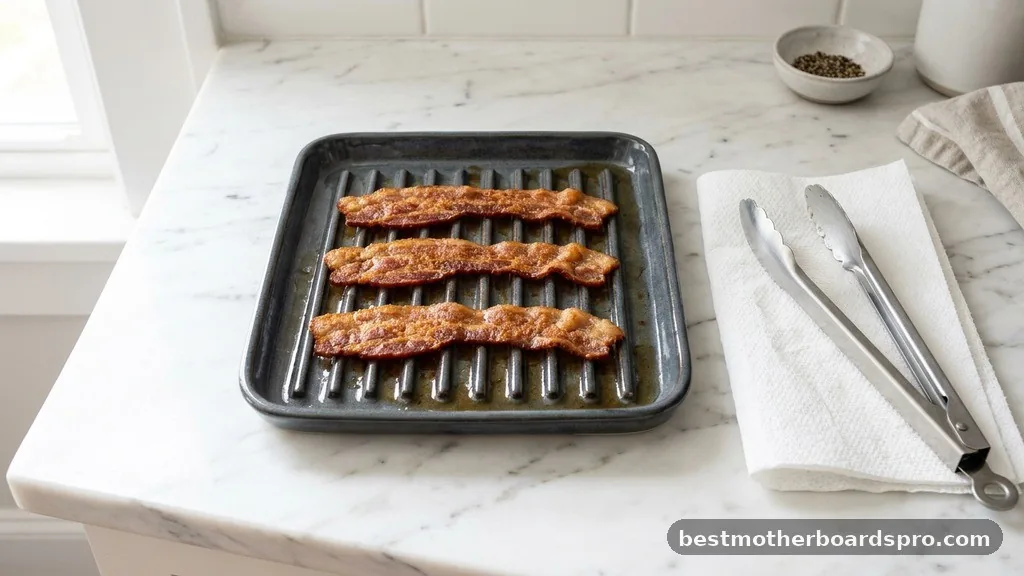
* A microwave-safe dish or specialized bacon tray.
* High-quality, thick paper towels to absorb rendered fat.
* A microwave cover or a second piece of paper towel to prevent grease splatter.
* A pair of tongs for safe handling once the cooking is finished.
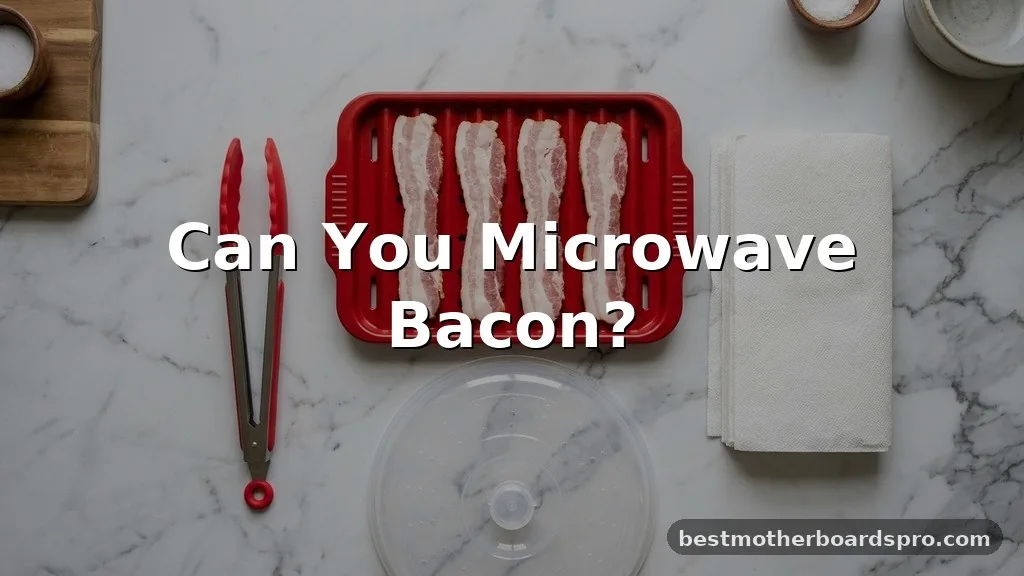
Using a dedicated bacon microwave tray is often the easiest route, as these plastic or ceramic devices usually feature a raised rack. This design keeps the meat elevated above the rendered grease, ensuring that each slice stays crisp rather than soggy. If you do not own a specialized tray, a standard microwave-safe plate works perfectly well as long as you layer it correctly with absorbent material.
Step-by-Step Cooking Technique
Getting the perfect level of crispiness requires a bit of trial and error because every microwave operates at a different wattage. Most standard home units range from 700 to 1200 watts, which significantly impacts the timing. Start by laying your strips in a single layer on your prepared plate.
The Layering Process
Place two or three layers of paper towels on your plate first. Lay the bacon strips down, ensuring they do not overlap too heavily, as this creates uneven cooking. Place one more paper towel on top of the bacon; this acts as a shield against grease popping and helps pull excess moisture away from the surface of the meat.
Timing Guidelines
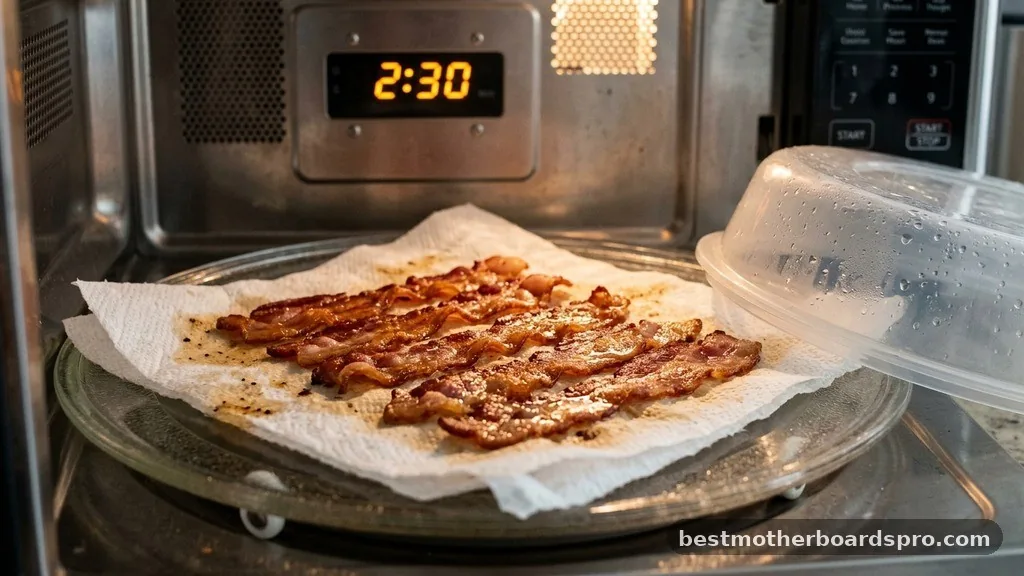
Cooking times are generally calculated per slice. As a general rule of thumb, you should aim for about 45 to 60 seconds per slice on high power.
However, it is always safer to start with less time and add more in 15-second intervals. This prevents the edges from burning or turning into charcoal before the center is fully cooked.
| Number of Slices | Estimated Time | Heat Level |
|---|---|---|
| 1-2 Slices | 60-90 seconds | High |
| 3-4 Slices | 2-3 minutes | High |
| 5-6 Slices | 3-5 minutes | High |
Addressing the Grease Issue
One major concern when cooking bacon in the microwave is the accumulation of hot grease. When you cook a large batch, the paper towels will become saturated quickly. If you notice the towels are soaked through before the bacon is finished, stop the machine, carefully remove the tray, and replace the paper towels with fresh ones.
This step is vital for flavor and texture. If the bacon continues to cook in a pool of old, hot grease, it will take on a deep-fried, heavy flavor that many find unappealing. Replacing the towels mid-cycle ensures the fat is wicked away, leaving behind only the concentrated savory flavor of the meat.
Comparing Cooking Methods
Many cooks wonder if the microwave truly stands up to the oven or the stovetop. While each method has its place, they offer different benefits. The oven is excellent for large groups, while the stovetop provides the most control over the browning process.
Method Comparison Table
* Stovetop: Provides the most control, allows for basting, but creates significant cleanup.
* Oven: Best for large batches, produces very even results, but takes longer to preheat.
* Microwave: The fastest option, requires minimal cleanup, but requires careful monitoring to prevent overcooking.
If you are just looking to crisp up a few slices for a sandwich or a salad, the microwave is arguably the superior choice. The time saved is substantial, and the cleanup is as simple as tossing the used paper towels and wiping down the microwave floor.
Common Mistakes to Avoid
Even experienced cooks can stumble when using the microwave for meat. The most frequent error is neglecting to cover the bacon.
Without a top layer, grease will splatter onto the ceiling and walls of your appliance. This not only creates a cleaning nightmare but can also lead to lingering odors.
Another mistake is cooking for too long at once. If you try to cook an entire package of bacon in one go, the center of the pile will likely remain raw while the outer edges become brittle. Always cook in manageable batches to ensure every piece is consistent.
Finally, remember that the bacon will continue to firm up for about 30 seconds after you remove it from the heat. If it looks perfectly crispy inside the microwave, it might actually be slightly overdone by the time it reaches your plate.
Frequently Asked Questions
Is it safe to microwave bacon?
Yes, it is perfectly safe to microwave bacon. As long as you use microwave-safe dishes and ensure the bacon is covered to prevent grease splattering, it is a legitimate cooking method that effectively renders the fat and creates a crispy texture without any safety risks.
How long should I cook bacon in the microwave?
A good rule of thumb is to allow about 45 to 60 seconds per slice on high power. Since microwaves vary in wattage, start with a shorter time and check the progress, adding 15-second intervals until the bacon reaches your preferred level of crispiness.
Can I cook bacon in the microwave without paper towels?
While you technically can, it is highly discouraged. Without paper towels to absorb the rendered fat, the bacon will sit in a pool of grease and steam, resulting in a soggy, rubbery texture. Paper towels are essential for achieving that classic, crispy bacon finish.
Does microwaving bacon make it taste different?
Microwaved bacon has a very similar flavor profile to pan-fried bacon, though it may lack the specific deep caramelization you get from a hot skillet. By using high-quality bacon and ensuring proper drainage, the difference in taste is usually negligible for most home cooks.
Final Thoughts on Rapid Breakfast Prep
Mastering the microwave for your morning protein is a skill that saves both time and effort. By understanding how to manage the fat and moisture, you can reliably produce crispy, delicious results without the hassle of scrubbing a greasy frying pan. Whether you are adding a few slices to a breakfast sandwich or crumbling them over a salad, the microwave offers a convenient, clean, and fast solution.
Remember to experiment with your specific appliance’s power levels, as fine-tuning your timing will lead to the best consistency. With these techniques in your kitchen arsenal, you can feel confident whenever you decide that you want to microwave bacon for a quick and satisfying meal.