
Deciding whether you can microwave cup noodles often feels like a gamble between convenience and kitchen safety. Many people have stood in front of their appliance, staring at the packaging and wondering if the container will melt or leach chemicals into their meal. While the answer depends heavily on the specific brand and the type of material used for the cup, most manufacturers now provide clear guidance on the label.
Understanding how these containers interact with high-frequency radiation is essential for anyone who enjoys quick, hot meals. By learning how to identify safe packaging and following proper heating techniques, you can enjoy your favorite soup without any unnecessary risks.
The Science Behind Microwave-Safe Packaging
When you consider if you can microwave cup noodles, the primary concern is the integrity of the container itself. Most traditional instant noodle cups are constructed from expanded polystyrene, commonly known as Styrofoam. This material is designed for insulation, keeping hot water contained while the noodles rehydrate, but it was never intended to withstand the intense thermal energy generated by a microwave.
Microwaves work by causing water molecules within food to vibrate rapidly, creating friction and heat. When this process occurs inside a thin plastic or foam cup, the heat from the soup can transfer directly to the container.
If the material’s melting point is lower than the temperature of the boiling liquid, the cup may warp, melt, or release chemical additives into your food. This is why many older or standard-sized noodle cups explicitly state that you should not put them in the microwave.
Identifying Microwavable Containers
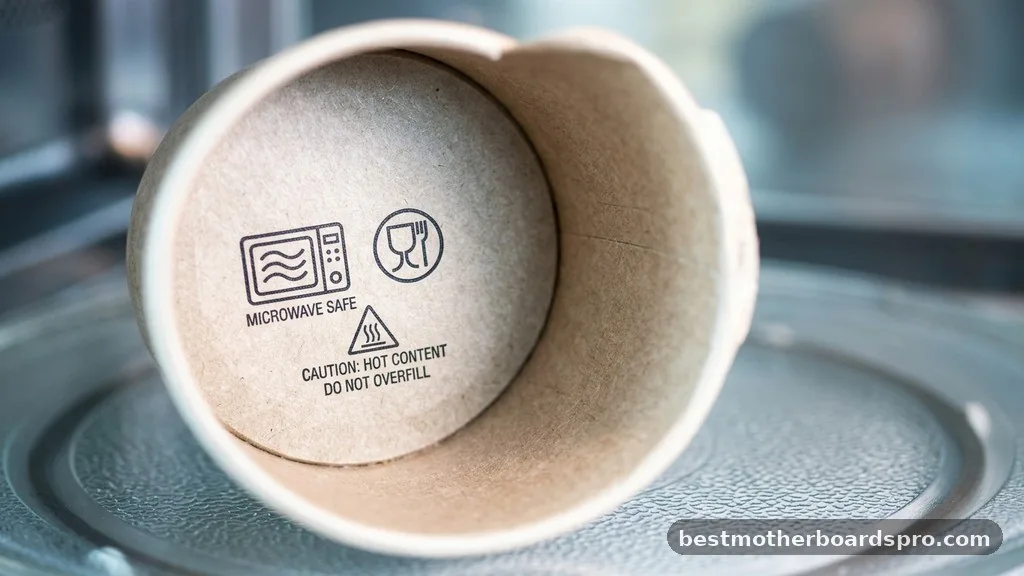
Not all instant noodle products are created equal. In recent years, companies have shifted toward using paper-based materials or specialized heat-resistant plastics that are specifically engineered for microwave use. If you want to know if a specific product is safe, you must inspect the bottom or the side of the container for a microwave-safe symbol.
- Look for a label that says “Microwave Safe” or “Microwavable.”
- Check the packaging for a symbol featuring a microwave with waves inside.
- Read the cooking instructions carefully to see if they offer a microwave alternative to the standard boiling water method.
- Avoid any container that feels flimsy, thin, or shows signs of wax coating, as these are rarely designed for high heat.
If you are unsure whether your cup is safe, the safest course of action is to transfer the dry noodles into a ceramic or glass bowl. This simple step eliminates the risk of melting plastic and ensures that your meal stays contained throughout the cooking process.
Comparing Cooking Methods
Choosing the right preparation method for your instant noodles can affect both the texture of the pasta and the safety of your kitchen. The following table compares the standard boiling water method with the microwave method to help you decide which is best for your situation.
| Method | Safety Level | Convenience | Resulting Texture |
|---|---|---|---|
| Boiling Water (Kettle) | High | Moderate | Consistent and firm |
| Microwave (Safe Cup) | High | Very High | Soft and rapid |
| Microwave (Non-Safe Cup) | Low | High | Risk of melted plastic |
Addressing Common Safety Concerns

A recurring question is whether microwaving non-safe containers leads to long-term health issues. While the immediate risk is a messy kitchen or a burnt hand, the secondary concern involves the potential migration of chemicals from the plastic into the broth. Chemicals like styrene, which is a building block of polystyrene, can potentially leach into food when the material is heated beyond its tolerance level.
While the occasional mistake is unlikely to cause immediate harm, it is best practice to avoid heating food in containers that aren’t clearly labeled for microwave use. If you find yourself in a situation where you only have a non-microwaveable cup, boil your water in a separate vessel and pour it into the cup afterward. This allows the noodles to rehydrate safely without exposing the plastic to unnecessary heat.
How to Safely Prepare Noodles in a Microwave
If you have confirmed that your cup is microwave-safe, you still need to follow specific instructions to ensure the best results. Microwaving instant noodles requires attention to detail, specifically regarding the water-to-noodle ratio and the heating time.
Step-by-Step Preparation
- Remove the lid completely to prevent pressure buildup and potential splattering.
- Add room-temperature water up to the fill line indicated inside the cup.
- Place the cup in the center of the microwave turntable.
- Heat on high for the duration specified on the label, usually between two to three minutes.
- Let the cup sit inside the microwave for an additional minute to allow the heat to distribute evenly.
Using cold or room-temperature water is critical. If you use boiling water, the microwave will cause the liquid to superheat rapidly, which can lead to a messy boil-over that is difficult to clean. Always watch the microwave while the noodles are cooking so you can stop the cycle immediately if you notice the water rising too high.
Topical Gaps: Why Some Instructions Vary
You might notice that different brands of cup noodles have conflicting advice regarding microwave use. This discrepancy often stems from the proprietary manufacturing process of the cups. Some companies use a heavy-duty, heat-resistant paperboard that behaves differently than the standard foam used by competitors.
Furthermore, regional regulations play a role. In some markets, manufacturers are required to conduct rigorous testing for heat tolerance, while in others, the standards may be more lenient.
When in doubt, always default to the manufacturer’s specific instructions printed on the side of the container. If the packaging says “do not microwave,” it is better to trust that warning regardless of what other brands might suggest.
Frequently Asked Questions
Why does the packaging say do not microwave the cup?
Manufacturers include this warning because the material used for the container, often expanded polystyrene, is not rated for the high temperatures generated by microwaves. Heating these materials can cause the cup to melt, warp, or potentially leach chemical components into your food, creating a safety hazard.
Is it safe to transfer cup noodles to a bowl?
Yes, transferring your instant noodles to a microwave-safe ceramic or glass bowl is the safest way to prepare them. This method removes any concern regarding the integrity of the original container and allows you to microwave your meal without worrying about melting plastic or chemical leaching.
How do I know if my cup is microwave-safe?
Check the bottom or sides of the cup for a microwave-safe icon, which typically looks like a microwave with waves. If you do not see this symbol or specific instructions stating the container is microwavable, you should assume it is not safe and use the boiling water method instead.
What happens if I accidentally microwave a non-safe cup?
If you have already microwaved a non-safe cup, inspect it for signs of melting or warping. If the cup appears damaged, discard the noodles to be safe. If the container looks intact, the food is likely safe to eat, but you should avoid repeating this process in the future.
Conclusion
Navigating the rules of kitchen convenience is easier when you know the facts behind your food packaging. While many people ask if you can microwave cup noodles, the reality is that safety depends entirely on the specific container design. By checking for the microwave-safe label and opting to use a ceramic bowl when in doubt, you ensure your meal is both delicious and safe.
Following these simple precautions allows you to enjoy your quick lunch without worrying about melted foam or unwanted additives. If you are ever unsure, the traditional boiling water method remains a reliable and effective way to prepare your noodles. Hopefully, this information helps you make better decisions in the kitchen and keeps your quick meals stress-free.