

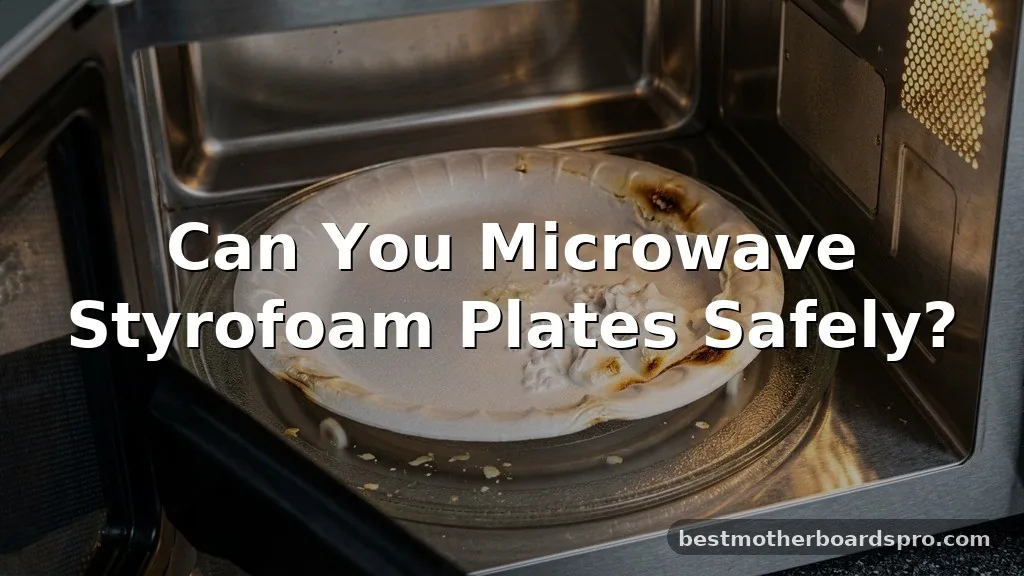
Deciding whether you can microwave styrofoam plates is a common dilemma when you have leftovers or need a quick way to heat up a meal. While the convenience of using disposable dinnerware is undeniable, the chemical properties of this material often raise concerns about safety and food quality.
Understanding how heat interacts with these plastics is essential for maintaining a healthy kitchen environment. You will gain clarity on the risks involved and learn why standard industry labels are your best indicator for safe usage.
Understanding the Material: What is Styrofoam?
Styrofoam is a brand name often used interchangeably with expanded polystyrene, or EPS foam. This white, lightweight material is manufactured by expanding polystyrene beads with a blowing agent. It is prized for its thermal insulation properties, which is why it keeps your coffee hot or your takeout soup from cooling down too quickly.
However, the structural integrity of this material is not designed to withstand the intense, rapid heating cycles of a microwave. When you expose this plastic to high temperatures, it reaches its glass transition point, where the polymer chains begin to soften. This physical change can compromise the shape of your container, leading to melting or warping.
The Risks of Heating Plastic Containers
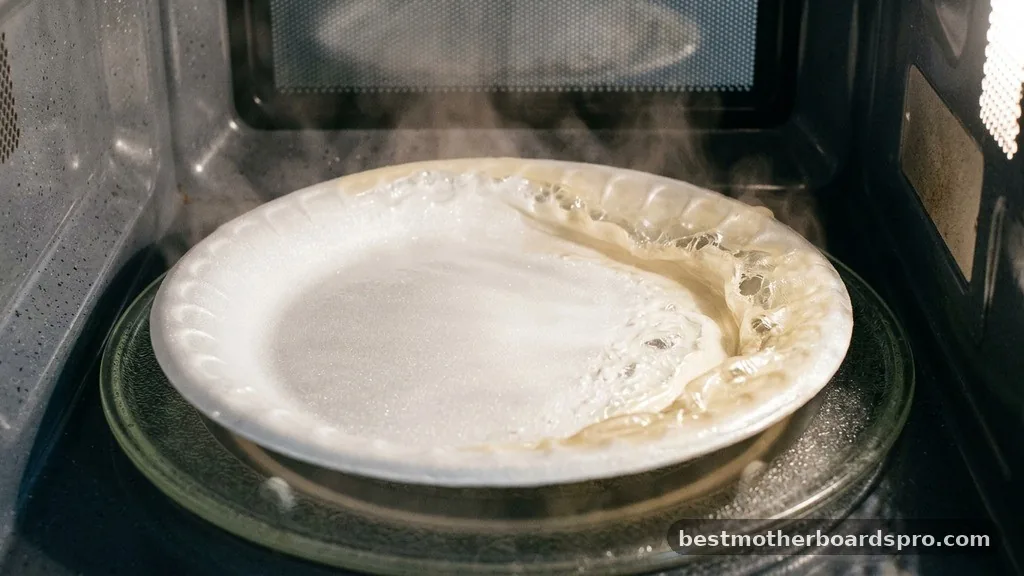
The primary concern regarding whether you can microwave styrofoam plates involves the potential migration of chemicals into your food. Polystyrene is made from styrene monomers, which are the building blocks of the plastic. Under normal, cool conditions, these molecules remain locked within the polymer matrix.
When you introduce high heat, the stability of these chemical bonds can be challenged. If the container becomes hot enough to deform or melt, the risk of chemical leaching increases significantly. Scientific studies have examined the migration of styrene into fatty or acidic foods, suggesting that oily substances, in particular, can act as a solvent that pulls these chemicals out of the plastic and directly into your meal.
Distinguishing Between Microwave-Safe and Standard Foam
Not all foam containers are created equal. You have likely noticed that some takeout boxes feel more rigid or have a different texture than others. This is because manufacturers often add stabilizers or use different formulations to improve heat resistance.
To determine if a specific item is suitable for your appliance, you must look for the “microwave-safe” label. This certification indicates that the product has undergone testing to ensure it does not melt or release harmful levels of chemicals under standard operating conditions. If you cannot find this label, it is safer to assume the container is intended for storage or room-temperature service only.
| Feature | Standard Styrofoam | Microwave-Safe Plastics |
|---|---|---|
| Heat Resistance | Low; prone to melting | High; designed for heat |
| Chemical Stability | Risk of leaching | Tested for migration |
| Primary Use | Cold or room-temp storage | Reheating and cooking |
Addressing Topical Gaps: Why Manufacturers Advise Against It
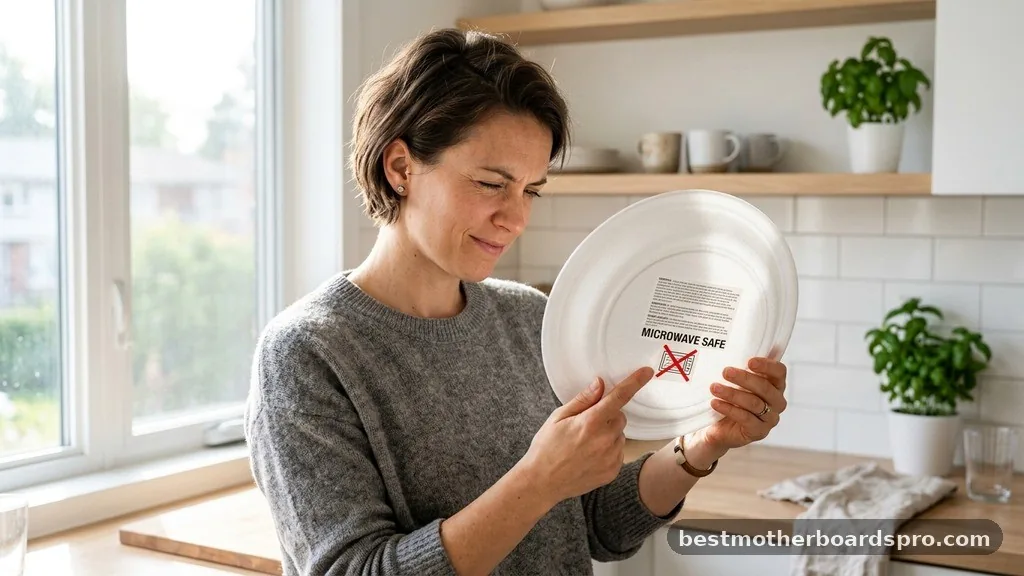
Many users wonder why the general advice is to avoid using these plates in the microwave even for short durations. The industry consensus exists because the variability of microwave power levels makes it impossible to guarantee safety for every consumer. A 30-second burst in a low-power microwave might not melt the foam, but the same duration in a high-wattage professional unit could cause immediate structural failure.
Furthermore, the “hot spot” phenomenon in microwave ovens creates localized areas of intense energy. Even if the rest of the plate feels cool, the area directly under a piece of fatty food might reach temperatures high enough to cause the plastic to shrink or bubble. This creates an unpredictable environment that is difficult to manage, leading most health experts to prioritize caution over convenience.
Safe Alternatives for Reheating
If you want to avoid the potential hazards of heating foam, there are several reliable alternatives that you likely already have in your kitchen. Shifting your habits can improve the taste of your food and provide peace of mind.
- Ceramic or glass plates: These are the gold standard for microwave use as they do not react to heat.
- Microwave-safe silicone containers: These are durable, heat-resistant, and free from the risks associated with disposable plastics.
- Paper plates: If you need a disposable option, ensure they are specifically labeled for microwave use to avoid wax coatings melting into your meal.
- Glass storage containers: These are ideal for both storing leftovers in the fridge and reheating them directly in the microwave.
Common Misconceptions About Heat and Foam
A frequent myth is that heating foam for a very short period—like ten seconds—is perfectly safe. While a short time frame minimizes the physical deformation of the plate, it does not necessarily eliminate the risk of chemical migration if the food itself contains fats or oils. The chemical reaction happens at the surface level where the food touches the plastic, and even a brief increase in temperature can facilitate this transfer.
Another misconception is that all white foam containers are the same. In reality, some modern food service items are made from polypropylene, which looks similar to EPS foam but has a much higher melting point. Checking the recycling symbol on the bottom of the container can provide a clue, but if you are ever in doubt, transferring your food to a glass bowl is the most responsible choice.
FAQ
Is it safe to microwave food in Styrofoam plates for 30 seconds?
While a short duration might not melt the plate, it is generally discouraged. The risk of chemical leaching, especially with fatty or acidic foods, remains present even during brief heating. For consistent safety, it is better to transfer your food to a ceramic or glass dish before reheating.
What happens if I accidentally microwave a Styrofoam plate?
If you have already microwaved a plate and it shows no signs of melting or warping, your food is likely safe to consume. However, if the surface has bubbled, melted, or become soft, the container has likely released chemicals into the food. In that case, discard the meal.
Are all plastic containers unsafe for the microwave?
No, not all plastics are unsafe. Many containers are specifically engineered to be microwave-safe and are tested for chemical stability under high temperatures. Always look for the microwave-safe symbol or manufacturer instructions on the packaging to ensure the item is designed for that specific purpose.
Can I reheat coffee in a Styrofoam cup?
Reheating coffee in a foam cup is not recommended because the high temperature of the liquid combined with the energy from the microwave can degrade the plastic. This may cause the cup to lose its shape or leak, and it increases the risk of unwanted substances entering your beverage.
Final Thoughts on Microwave Convenience
Navigating the nuances of kitchen safety often comes down to balancing speed with long-term health considerations. While the question of whether you can microwave styrofoam plates often arises during busy mealtimes, the safest practice is to avoid using these disposable items for heating food. By utilizing ceramic, glass, or certified microwave-safe containers, you eliminate the risk of chemical migration and ensure your meals remain untainted by plastic degradation.
Taking these small steps will make your kitchen a safer place to prepare and enjoy your food. If you find yourself frequently using takeout containers, consider keeping a few glass dishes on hand to make the transition to safer reheating habits easier for your daily routine.
