
It is a common scenario: you have packed your morning coffee or a hearty soup in a travel container, only to find it has gone lukewarm by lunchtime. Naturally, you might wonder if you can put a thermos in the microwave to save your meal. The short answer is almost always no, but understanding the mechanics of how your food jar functions will explain why.
Attempting to heat a vacuum-insulated container can lead to significant damage to your appliance and potentially hazardous conditions. Before you risk your kitchen equipment, it is important to grasp why these containers are designed to resist heat transfer rather than absorb it.
Why Microwaves and Thermos Containers Don’t Mix
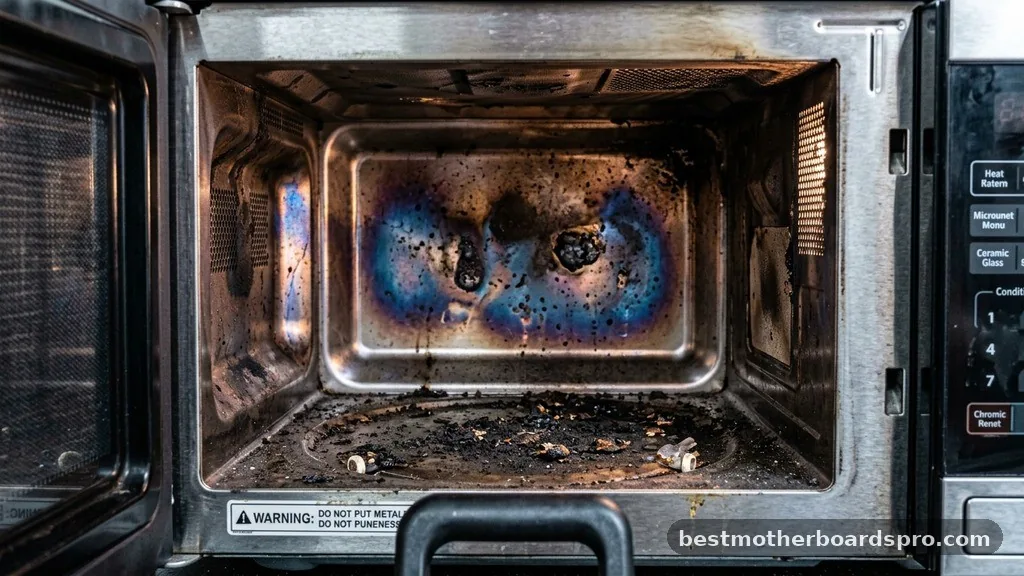
The primary reason you cannot put a thermos in the microwave involves the fundamental construction of the product. Most high-quality containers are built with a double-wall design that creates a vacuum between the interior and exterior layers. This vacuum insulation is the secret to keeping your soup hot or your salad cold for hours.
Microwaves function by emitting electromagnetic waves that excite water molecules within food. When you place a standard piece of ceramic or glass inside, these waves pass through the material to heat the contents. However, when you introduce a metal container, the microwave energy reacts differently.
The Danger of Stainless Steel
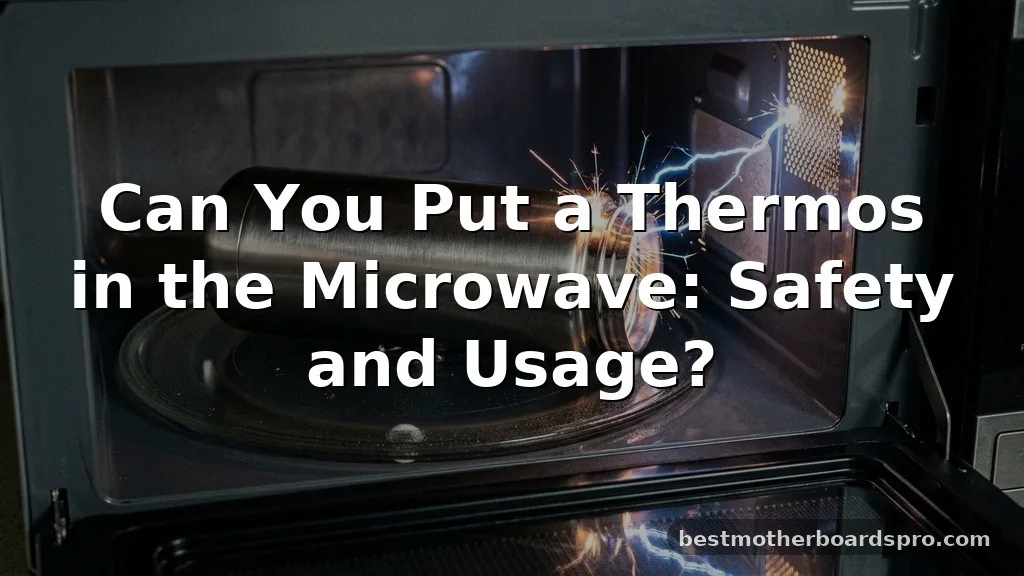
Most thermos-style containers are made of stainless steel. Metal reflects electromagnetic waves rather than absorbing them. When you hit the start button, the metal walls of the container will cause the waves to bounce around the interior of your microwave.
This creates electrical arcing—the sparking you might see—which can severely damage the magnetron, the component responsible for generating the waves. Even if you don’t see sparks immediately, the uneven heating and potential for internal pressure buildup make it a risky endeavor.
Vacuum Insulation Failure
Beyond the risk to your microwave, you are likely to destroy the thermos itself. The vacuum seal is fragile. Subjecting the container to intense, uneven heat can compromise the integrity of the seal.
Once that vacuum is broken, the container loses its ability to maintain temperature. It becomes just a regular, uninsulated vessel, rendering its primary purpose useless.
Understanding Materials and Safety
Not all containers are created equal. While many people use the word “thermos” as a generic term for any insulated bottle, the specific material of your product dictates how it interacts with heat.
| Material | Microwave Safe? | Reasoning |
|---|---|---|
| Stainless Steel | No | Causes arcing and reflects waves. |
| Plastic (BPA-Free) | Sometimes | Check for the “microwave safe” label first. |
| Glass | Yes | Generally safe if tempered and not vacuum-sealed. |
| Ceramic | Yes | Safe, provided it lacks metallic paint or trim. |
If you happen to own a plastic food jar, you might assume it is safe. However, many plastics are not heat-resistant enough to hold boiling liquids without warping.
Always look for the recycling symbol or a specific “microwave safe” stamp on the bottom of the container. If the manufacturer does not explicitly label it as such, assume it is not suitable for high-heat applications.
Proper Ways to Heat Food for Your Thermos
Since you cannot put a thermos in the microwave, you need alternative methods to ensure your lunch stays at the right temperature. The most effective strategy is to prepare your food properly before it ever enters the container.
- Preheat your container: Pour boiling water into the empty jar and let it sit for five minutes before dumping it out and adding your food.
- Heat your food thoroughly: Ensure your soup, chili, or leftovers are piping hot—not just warm—before transferring them to the container.
- Use a stove or separate bowl: Heat your meal in a standard pot or a microwave-safe bowl first, then pour the hot food into your preheated thermos.
- Fill it to capacity: A full container retains heat better than one that is half-empty because there is less air space for heat to escape into.
By following these steps, you eliminate the need to reheat your meal mid-day. The insulation will do the heavy lifting, keeping your lunch at an ideal temperature until you are ready to eat.
Addressing Common Misconceptions
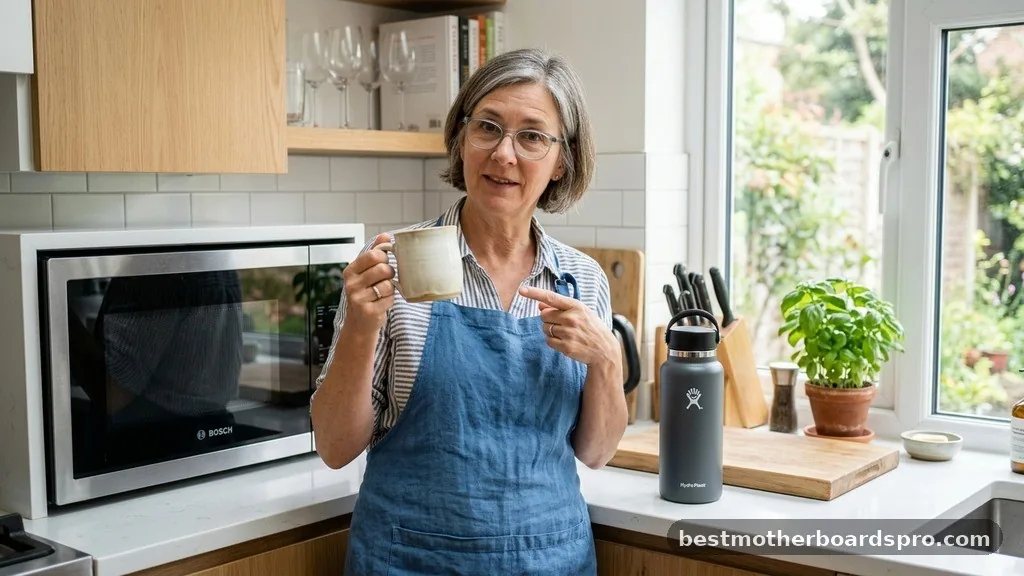
Many users believe that because a product is marketed for hot food, it must be able to withstand the heat of a microwave. This is a dangerous assumption. Marketing focuses on the ability of the product to retain heat, not its ability to be heated.
Another frequent question involves the “funtainer” style jars often used for school lunches. These are usually made of lightweight stainless steel. Even if they are small enough to fit inside a compact microwave, the same rules apply.
The metallic composition remains the primary barrier to safe use. If you are ever in doubt, the best approach is to err on the side of caution. Replacing a ruined lunch container is far cheaper than repairing a broken microwave or dealing with a kitchen fire caused by electrical arcing.
Topical Gaps: What Happens if You Ignore the Warning?
If you search for whether you can put a thermos in the microwave, you might find anecdotal stories of people who did it without “exploding” their kitchen. It is important to distinguish between “nothing happened yet” and “it is safe.”
When you subject a vacuum-insulated container to microwave radiation, you are creating a high-pressure environment. The liquid inside may heat unevenly, leading to steam pockets. If the lid is screwed on tight, the pressure can build up rapidly.
This can lead to the lid blowing off or, in extreme cases, the container rupturing. Even if the container survives, the internal insulation layer may degrade, causing the exterior of your thermos to become dangerously hot to the touch. This creates a burn hazard for the user, especially if children are handling the container.
FAQ
Can I put my stainless steel food jar in the microwave if it is half full?
No, you should never put a stainless steel container in the microwave, regardless of how much food is inside. The metal will still reflect the microwave energy, potentially causing sparks and damaging the appliance’s magnetron. The amount of food does not change the physical properties of the metal.
How do I keep my lunch hot without using a microwave?
The best method is to preheat the container with boiling water for a few minutes before filling it with piping hot food. By heating the container walls first, you prevent the cold metal from drawing heat away from your meal, ensuring it stays hot until your lunch break.
Are there any microwave-safe insulated containers?
Some specialized microwave-safe lunch containers exist, but they are typically made of high-grade plastic or silicone rather than vacuum-insulated stainless steel. Always check the manufacturer’s packaging for the “microwave safe” icon. If the container is made of metal, it is never safe for microwave use.
What should I do if I accidentally put my thermos in the microwave?
Turn off the microwave immediately and unplug it if it is safe to do so. Do not open the door until the sparking has stopped. Check the interior of the microwave for any burn marks or damage, and inspect your thermos for any signs of melting, warping, or loss of its vacuum seal.
Final Considerations
Knowing that you cannot put a thermos in the microwave is a simple but essential part of kitchen safety. By sticking to proper heating techniques—such as preheating your container with boiling water and ensuring your food is hot before packing—you can enjoy your meals at the perfect temperature without risking your equipment. These vacuum-insulated containers are marvels of engineering, designed to keep heat in, not to absorb it from external sources.
Keeping your gear in good condition ensures it will serve you well for years to come. If you have any further questions about maintaining your food storage containers, feel free to reach out for more tips on safe and effective meal prep.