
Deciding whether you can put styrofoam in a microwave is a common kitchen dilemma, especially when you are staring at a leftover takeout container. While it might seem convenient to pop your dinner straight back into the appliance, understanding the potential risks is essential for your health. Most people assume that if a container held hot food at a restaurant, it must be perfectly fine for reheating at home.
However, the chemistry of expanded polystyrene, often referred to as styrofoam, tells a different story. Learning the facts about how this material reacts to high temperatures will help you make safer choices for your family and avoid unnecessary chemical exposure during your daily meal preparation.
Understanding the Material Composition of Styrofoam
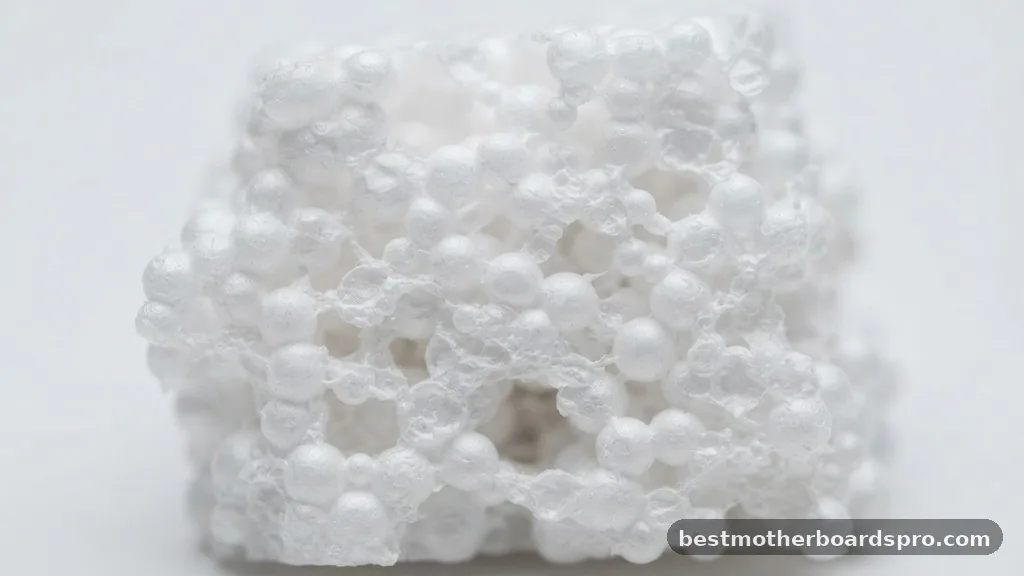
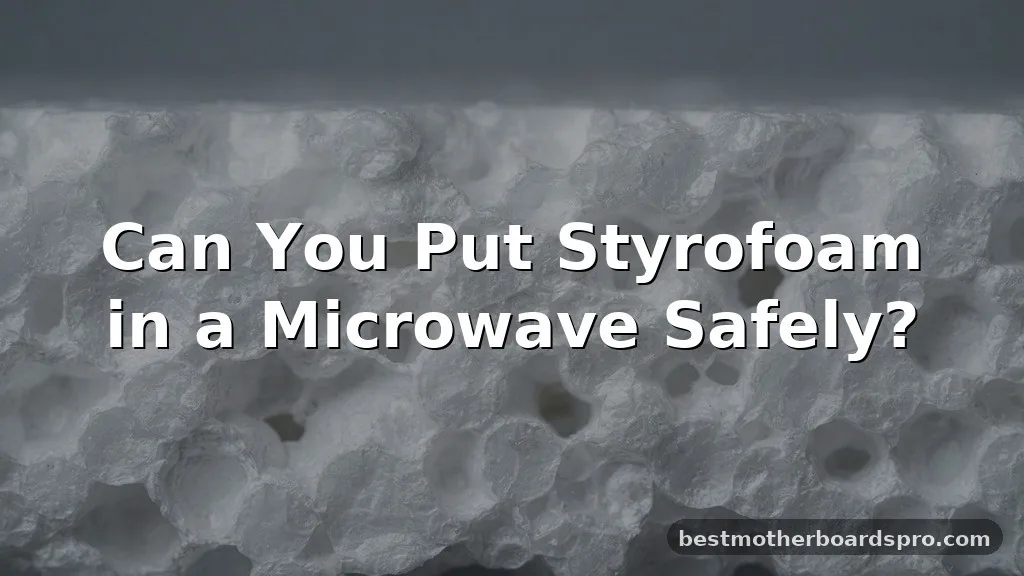
Styrofoam is a brand name often used interchangeably with expanded polystyrene (EPS) foam. This material is a petroleum-based plastic that consists of thousands of tiny, air-filled bubbles. Because it is lightweight, inexpensive, and provides excellent thermal insulation, it became the industry standard for food service.
When you subject this plastic to the intense energy of a microwave, the structure begins to change rapidly. Unlike glass or ceramic, which are inert, this foam is not designed to withstand high heat. As the temperature rises, the cellular structure of the plastic can soften or melt, leading to structural failure of the container.
The Science Behind Microwave-Safe Ratings
The term microwave-safe is not just a marketing label; it indicates that a material has been tested to ensure it doesn’t leach harmful chemicals into your food. Manufacturers perform standardized tests to see how containers behave under specific wattage and time constraints.
If a container does not explicitly state that it is safe for microwave use, you should assume it is not. Many foam food containers are designed for single-use insulation rather than high-temperature performance. When these items are heated, the risk of chemical migration increases significantly, particularly with greasy or oily foods that reach higher temperatures faster than water-based items.
| Material Type | Microwave Suitability | Heat Tolerance |
|---|---|---|
| Glass (Pyrex) | High | Excellent |
| Ceramic | High | Excellent |
| EPS Foam | Low/None | Poor |
| Polypropylene Plastic | Moderate | Good |
Risks Associated with Heating Polystyrene
The primary concern regarding the use of foam containers in your microwave involves the potential release of styrene. Styrene is a building block used to create polystyrene, and under high-heat conditions, small amounts of this substance can migrate from the container into your meal.
Beyond the chemical concerns, there is a practical issue of physical degradation. Even if the plastic does not completely melt, it can warp or become brittle. This often leads to spills, burns, or the container collapsing while you are trying to remove it from the appliance.
- Chemical leaching: High heat can cause the breakdown of plastic polymers.
- Structural instability: The foam can melt or warp, causing food to spill.
- Fire hazard: If the container touches the sides of the microwave, it can burn.
- Contamination: Melted plastic can fuse with your food, making it inedible.
Identifying Microwave-Safe Alternatives
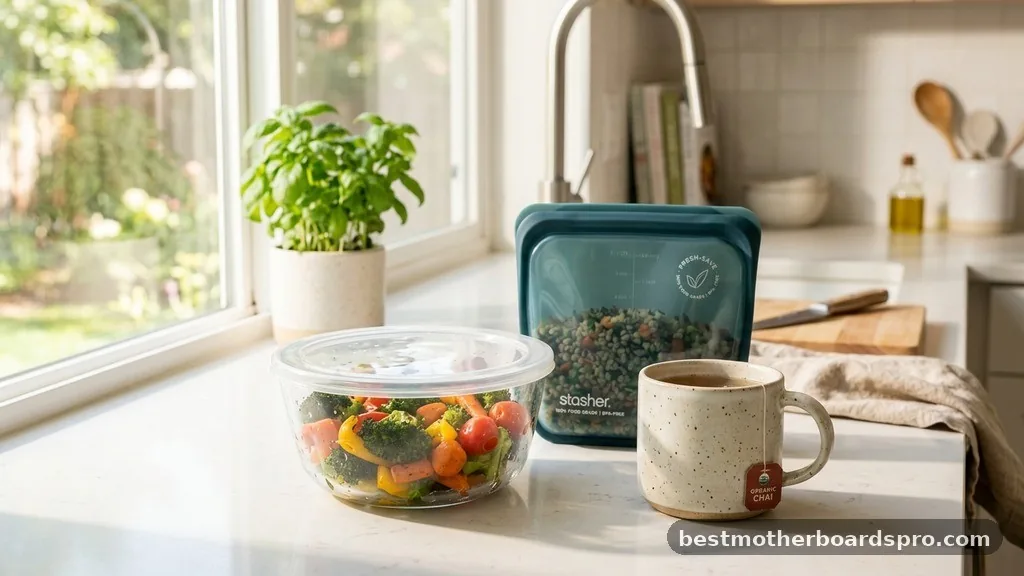
To avoid the risks associated with heating foam, you should transfer your food to a more stable vessel before reheating. Using the right materials ensures that your food remains uncontaminated and your appliance stays clean.
Recommended Materials for Reheating
Glass and ceramic are the gold standards for microwave use. They do not react with food, they are easy to clean, and they do not release chemicals when subjected to high heat. If you must use plastic, look for containers specifically labeled as microwave-safe, which are usually made from polypropylene.
How to Test Your Containers
If you are unsure whether a dish is safe, you can perform a simple test. Place a small amount of water in the container and microwave it for thirty seconds. If the container itself becomes hot to the touch, it is absorbing the energy and is likely not safe for regular use.
Common Misconceptions About Short-Term Heating
Many people believe that if they only heat their food for a few seconds, the danger is minimized. While it is true that exposure time is a factor in chemical leaching, there is no “safe” duration for using non-microwave-safe foam.
Even a quick burst of ten or twenty seconds can cause localized hot spots where the food touches the foam. These spots can reach temperatures high enough to compromise the integrity of the plastic immediately. It is always better to err on the side of caution and use a plate or a glass bowl.
Addressing Topical Gaps in Microwave Safety
There is often confusion regarding whether specialized foam containers from restaurants are different from standard packing material. While food-grade containers are manufactured with higher standards, they are still fundamentally made of the same polystyrene material.
Another gap in common knowledge involves the use of the oven versus the microwave. Some people wonder if they can place foam in a low-temperature oven, such as at 170 degrees. The answer remains no; foam is designed to insulate, not to withstand sustained heat environments, and it will likely melt or release fumes even at those temperatures.
Frequently Asked Questions
Is it safe to microwave styrofoam for 30 seconds?
No, it is not recommended to use styrofoam in the microwave for any duration. Even short bursts of energy can cause the material to soften or melt, potentially leaching chemicals into your food. It is always safer to transfer your leftovers to a glass or ceramic container before reheating.
How can I tell if a container is microwave-safe?
Look for a stamp or label on the bottom of the container that explicitly states microwave-safe. If there is no symbol or label, assume the material is not designed for heat. If a container feels soft or changes shape when exposed to hot food, discard it immediately.
What happens if I accidentally microwave food in a foam container?
If you accidentally heat food in a foam container, inspect the food for any signs of melting or physical contact with the plastic. If the plastic has deformed or touched your meal, it is best to discard the food to avoid potential ingestion of chemical residues or melted foam particles.
Can I put styrofoam in the oven at low temperatures?
You should never put styrofoam in an oven, even at low settings like 170 degrees. Foam is highly sensitive to ambient heat and will quickly warp, melt, or potentially release fumes. It is strictly intended for room-temperature or cold storage and does not belong in any heating appliance.
Final Thoughts on Microwave Safety
When you consider whether you can put styrofoam in a microwave, the safest answer is a firm no. While the convenience of using a disposable container is tempting, the risks to your health and the potential for a messy kitchen disaster are not worth the trade-off. By transferring your food to glass or ceramic, you ensure that your meal remains free of unwanted chemicals and that your heating process is both effective and secure.
Small habits, like keeping a few microwave-safe bowls handy, will go a long way in protecting your well-being. Next time you have leftovers, take that extra moment to move your meal to a safer dish and enjoy your food with complete peace of mind.