
Finding a forgotten stash of snacks in the back of your pantry is a common occurrence, but you might hesitate when you realize it has been sitting there for months. Many people wonder if microwave popcorn expires or if it remains safe to eat well past the printed date. While it is rarely dangerous to consume, the quality often takes a significant hit.
Understanding how these kernels interact with time and storage conditions helps you decide whether to pop that bag or toss it out. This article clarifies exactly what happens to your favorite snack as it ages and how you can identify when it has truly gone bad.
Understanding the Nature of Microwave Popcorn
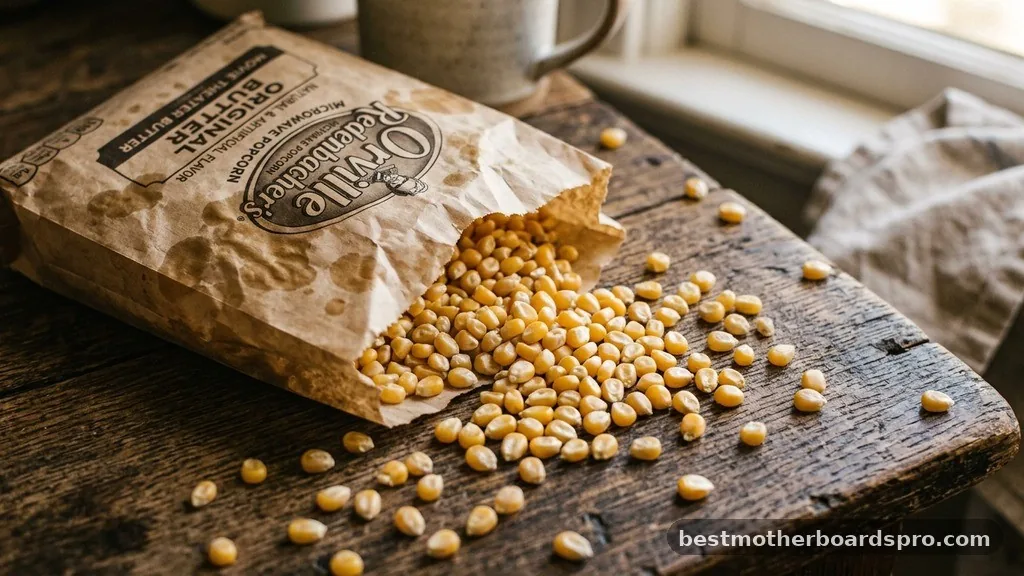
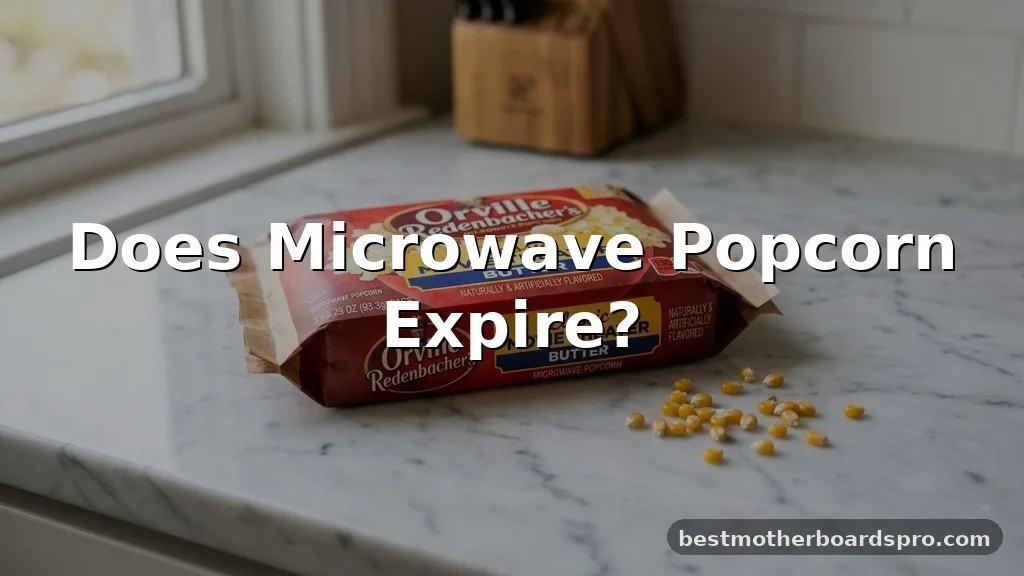
Microwave popcorn is a unique food product because it is essentially a pre-packaged kit. It contains raw corn kernels, fats—usually oils like palm or butter-flavored alternatives—and salt or seasonings, all sealed within a paper bag. Unlike plain, dry popcorn kernels you might buy in a glass jar, the inclusion of fats makes microwave popcorn more perishable.
The fats used in these bags are subject to oxidation over time. When oils oxidize, they can turn rancid, leading to an off-putting taste and smell.
While the kernels themselves are remarkably stable, the combination of additives means that the product has a finite window where it tastes its best. Manufacturers include an expiration date primarily to guarantee the peak sensory experience rather than to signal immediate health risks.
The term expiration date is often misunderstood as a hard stop for food safety, but for most pantry staples, it is a quality benchmark. When you ask if microwave popcorn expires, the answer depends on whether you mean “is it safe to eat” or “will it taste good.”
Safety-wise, if the bag is sealed and there are no signs of moisture or pest intrusion, the product is generally safe to eat months after the date. However, the quality will inevitably decline.
The moisture content within the kernels is the most critical factor for a good pop. If the moisture evaporates through the paper bag over a long period, you will end up with unpopped kernels or “old maids” at the bottom of the bowl.
| Factor | Effect of Aging | Impact on Quality |
|---|---|---|
| Moisture Content | Decreases over time | More unpopped kernels |
| Oil/Fat Stability | Oxidation occurs | Rancid or soapy flavor |
| Seasoning Integrity | Flavor degradation | Bland or metallic taste |
| Packaging | Seal integrity weakens | Increased risk of contamination |
Signs That Your Popcorn Has Gone Bad
Even if the package claims the product is within its window, it is essential to check the condition of the popcorn before putting it in the microwave. Sensory cues are your best indicator of whether the snack is still palatable.
- Unpleasant Odor: If you open the outer plastic wrapper and notice a sharp, chemical, or “off” smell, the oils have likely gone rancid.
- Visible Mold: While rare in dry goods, any sign of discoloration or fuzzy growth on the paper bag indicates moisture entry and potential spoilage.
- Pest Activity: Check the corners of the box or the individual bags for any tiny holes or webbing, which suggest that insects have breached the packaging.
- Stale Texture: If you pop a bag and the kernels are chewy or lack the characteristic crunch, the popcorn has lost its ideal moisture balance.
How Storage Impacts Shelf Life
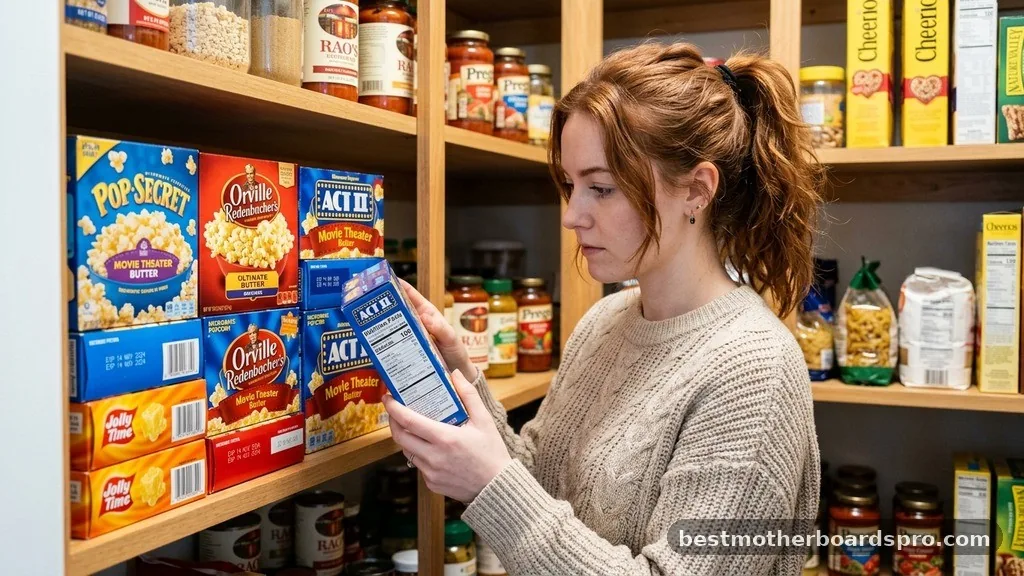
Where you keep your snacks matters just as much as the production date. If you store your popcorn in a hot, humid environment, such as a cupboard above the stove, you are accelerating the degradation of the oils and the loss of moisture in the kernels.
To maximize the lifespan of your microwave popcorn, keep it in a cool, dark, and dry location. A pantry or a kitchen drawer away from heat sources is ideal.
If you live in a particularly humid climate, consider placing the boxes inside an airtight plastic container. This extra layer of protection keeps humidity from affecting the internal moisture of the kernels and prevents the oils from absorbing ambient kitchen odors.
Topical Gaps: What Happens to the Chemicals?
A common concern regarding microwave popcorn involves the chemical coatings inside the bag, such as PFAS or other grease-resistant treatments. Some consumers worry that as the bag ages, these chemicals might leach into the popcorn.
Current food science suggests that while these materials are designed to withstand high temperatures during popping, they are not necessarily chemically unstable at room temperature. The primary risk with aging is not chemical leaching, but rather the degradation of the popcorn’s flavor profile. If you are concerned about the materials in the bag, the best approach is to transition to using a silicone microwave bowl and bulk kernels, which eliminates the packaging variable entirely.
FAQ Section
Can you still eat expired microwave popcorn?
Yes, you can typically eat it if the packaging is intact and there are no signs of rancidity. However, the taste and texture will likely be poor. If the popcorn smells like crayons or old oil, it is best to discard it rather than risk an unpleasant snack.
Is two-year-old popcorn still good?
Generally, no. While the kernels might not make you sick, the fats in the seasoning will have likely oxidized, resulting in a rancid flavor. After two years, the moisture content of the corn has likely dropped too low to pop properly, resulting in a mostly unpopped, stale batch.
How do you know if microwave popcorn is bad?
The most reliable way to tell is through smell and appearance. If the bag shows signs of oil stains, mold, or tears, discard it immediately. If it passes the visual check but smells metallic, soapy, or sour when you open the bag, the oils have gone bad.
Does the expiration date apply to the kernels or the oil?
The date is primarily for the oil and seasonings. Raw, dry popcorn kernels can last for years if kept in a cool, dry place. The addition of fats and flavorings in microwave bags significantly shortens the shelf life compared to standard, plain popping corn.
Conclusion
Deciding whether to consume snacks that have passed their prime is a balance of sensory judgment and common sense. While it is rarely a health crisis to eat slightly aged popcorn, the experience is rarely satisfying. When you find yourself wondering if microwave popcorn expires, remember that the quality—not necessarily the safety—is what fades first.
If the bag looks clean, smells normal, and pops into fluffy kernels, it is likely fine to enjoy. However, if the smell is off or the texture is tough, don’t hesitate to throw it away. Proper storage in a cool, dry pantry remains the most effective way to ensure your next movie night snack is as fresh as possible.