
A lingering microwave smell often stems from trapped food particles, grease splatter, or the unfortunate aftermath of a burnt popcorn incident. When you notice an unpleasant scent every time you open the door, it’s a clear sign that residue has baked onto the interior walls or the ventilation system.
Learning how to get rid of smell in microwave units involves more than just a quick wipe-down; it requires neutralizing the odor molecules that have settled into the porous surfaces. By using simple pantry staples like citrus and steam, you can restore freshness to your appliance without resorting to harsh chemical cleaners that might leave behind toxic fumes.
Why Your Microwave Retains Unpleasant Odors
The interior of a microwave is a trap for microscopic food splatters. During the heating process, steam carries tiny particles of fat and organic matter to the ceiling and sidewalls of the cavity. If these aren’t wiped away immediately, they solidify and eventually carbonize, creating a persistent burnt aroma.
Another common culprit is the ventilation system. Many microwaves recirculate air through a carbon filter.
If this filter becomes saturated with grease or smoke, it acts as a reservoir for every meal you have cooked in the past year. Simply cleaning the interior surface won’t fix this issue if the air passing through the unit is constantly picking up old, trapped scents.
Natural Steam Cleaning Methods
Steam is the most effective way to loosen stubborn, caked-on food that contributes to bad odors. By creating a humid environment, you soften the debris, making it easy to remove with a damp cloth.
The Vinegar and Water Solution
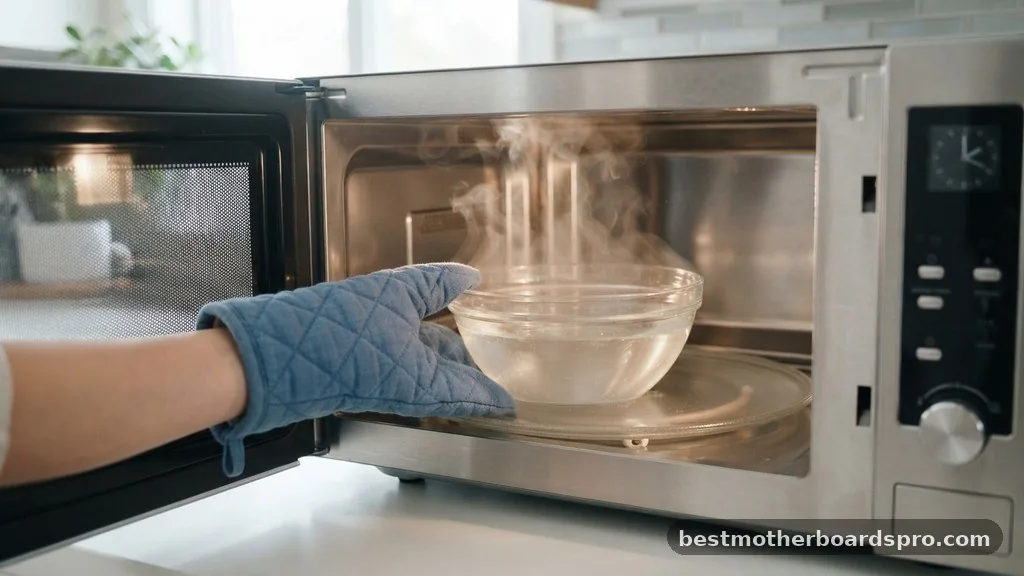
Vinegar is a powerhouse for neutralizing odors because of its acidic nature. To use this method, fill a microwave-safe bowl with one cup of water and two tablespoons of white vinegar. Place the bowl inside and heat the solution for approximately three to five minutes.
Once the timer goes off, do not immediately open the door. Let the steam sit for an additional ten minutes to fully permeate the walls.
After the time has elapsed, carefully remove the bowl—it will be hot—and wipe the interior surfaces with a soft cloth. You will find that the grime comes off easily, and the vinegar scent will dissipate quickly, taking the bad odors with it.
The Lemon Steam Technique
If you prefer a fresh, citrus scent over the sharp tang of vinegar, lemon is your best alternative. Slice a fresh lemon in half and squeeze the juice into a bowl filled with one cup of water. Toss the lemon halves into the bowl as well.
Heat the mixture on high for about three to five minutes until the water is boiling and the interior is filled with steam. The natural oils in the lemon peel help break down grease and leave behind a pleasant fragrance. Leave the door closed for a few minutes after heating to allow the steam to work its magic.
Deep Cleaning and Deodorizing Techniques
Sometimes, steam alone isn’t enough to remove deep-seated smells. In these cases, you need a more abrasive or absorbent approach to pull the odors out of the plastic and metal surfaces.
The Baking Soda Paste
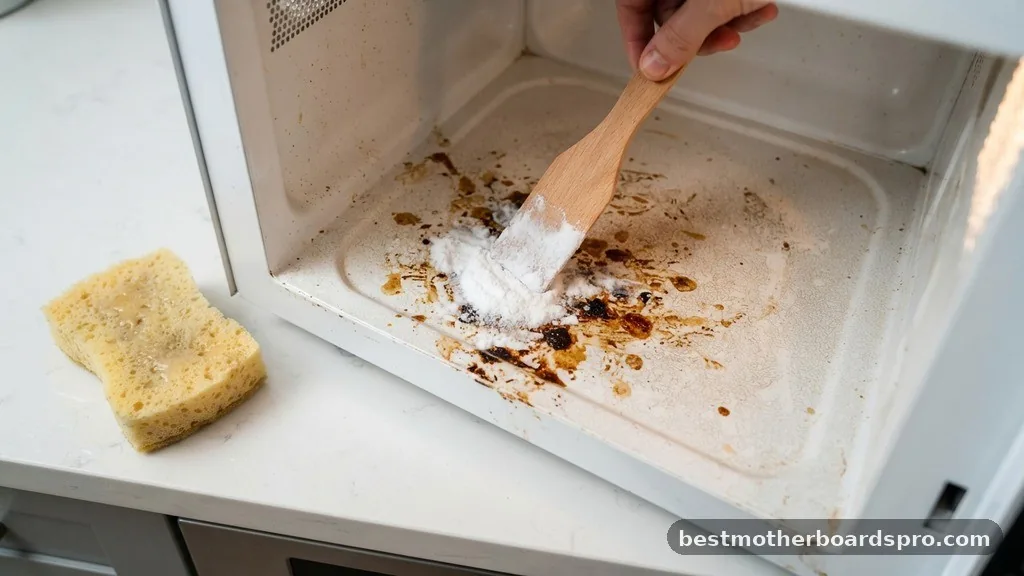
Baking soda is a natural deodorizer that excels at neutralizing acidic odors. Create a thick paste by mixing baking soda with a small amount of water. Apply this paste to any stained areas or spots where food has clearly splattered.
Let the paste sit for fifteen to twenty minutes. The baking soda will absorb the smell while the mild abrasive texture helps scrub away the grime.
Wipe the area clean with a damp sponge, ensuring you remove all residue. If the smell persists, leave an open box of baking soda inside the microwave overnight with the door closed to absorb any remaining airborne molecules.
The Coffee Ground Trick
Coffee grounds are known for their ability to neutralize strong odors in refrigerators and pantries. This same principle applies to microwaves. Place a bowl of fresh, dry coffee grounds inside the unit and leave it there for several hours or overnight. The porous nature of the grounds acts like a sponge for lingering food scents, effectively drawing them out of the air.
Comparing Common Deodorizing Methods
Choosing the right method depends on the intensity of the smell and the ingredients you have on hand. The following table provides a quick reference for selecting your cleaning strategy.
| Method | Best For | Key Benefit |
|---|---|---|
| Vinegar Solution | Persistent burnt smells | Neutralizes odors quickly |
| Lemon Steam | Mild food odors | Leaves a clean citrus scent |
| Baking Soda Paste | Stubborn, dried-on stains | Absorbs odors and scrubs grime |
| Dry Coffee Grounds | Lingering, faint aromas | Passive overnight absorption |
Addressing Ventilation and Hidden Filters
If you have thoroughly cleaned the interior and the smell still remains, the issue likely resides in the ventilation system. Most over-the-range microwaves utilize a charcoal filter designed to trap smoke and grease.
- Locate the filter grille, usually found on the top or front of the unit.
- Remove the screws or clips holding the cover in place.
- Check the charcoal filter; if it is dark, greasy, or smells like old food, it needs to be replaced.
- Clean the grease trap or metal mesh filter with hot, soapy water while the unit is open.
- Ensure the area is completely dry before reassembling the components.
Replacing this filter is often the final step in truly getting rid of smell in microwave units that have suffered from heavy use or accidental burning. Most manufacturers recommend replacing these filters every six to twelve months, depending on how often you cook.
Preventing Future Odors
Maintaining a fresh-smelling appliance is far easier than deep cleaning one. Adopting a few simple habits can save you significant time and effort in the long run.
Always cover your food with a microwave-safe lid or a paper towel to prevent splatter. If a spill happens, clean it immediately while the interior is still slightly warm; the food will be much easier to remove before it hardens.
Furthermore, keep the door slightly ajar after you finish cooking to allow any remaining steam and moisture to escape. This prevents the buildup of condensation, which is a breeding ground for bacteria and mold that can cause musty odors over time.
Frequently Asked Questions
Can I use bleach to remove strong smells from my microwave?
You should avoid using bleach in a microwave. It can damage the plastic interior, corrode metal components, and leave behind toxic chemical residues that could potentially vaporize into your food the next time you use the appliance. Stick to natural cleaners like vinegar, lemon, or baking soda.
How long should I leave a bowl of baking soda inside to remove odors?
For the best results, leave an open bowl or an opened box of baking soda inside the microwave for at least 12 to 24 hours. Keep the door closed during this time so the baking soda can effectively concentrate on absorbing the odor molecules trapped within the small space.
Is it normal for a new microwave to have a smell?
Yes, it is common for a new unit to emit a slight plastic or metallic smell during the first few uses. This is typically due to the manufacturing residue or protective coatings on the heating elements burning off. This odor should disappear after a few uses if you leave the door open.
How do I know if the smell is coming from the motor?
If the odor smells like burning rubber, electrical components, or acrid plastic, it is not just food residue. Unplug the unit immediately and consult a professional technician. A burning electrical smell indicates a mechanical failure that could lead to a fire hazard, and it should not be ignored.
Maintaining a Fresh Appliance
Successfully getting rid of smell in microwave units is entirely achievable with the right approach. By utilizing the natural cleaning power of steam, vinegar, and citrus, you can effectively neutralize trapped odors without resorting to harsh chemicals. Remember that consistent maintenance, such as wiping down the interior after each use and checking your ventilation filters, acts as the best defense against future issues.
If you tackle the source of the smell—whether it is a splatter on the ceiling or a saturated charcoal filter—you will restore your microwave to a fresh, functional state. If you find yourself struggling with a persistent scent, don’t hesitate to repeat the steam method or replace the filter to keep your kitchen smelling clean and inviting.