
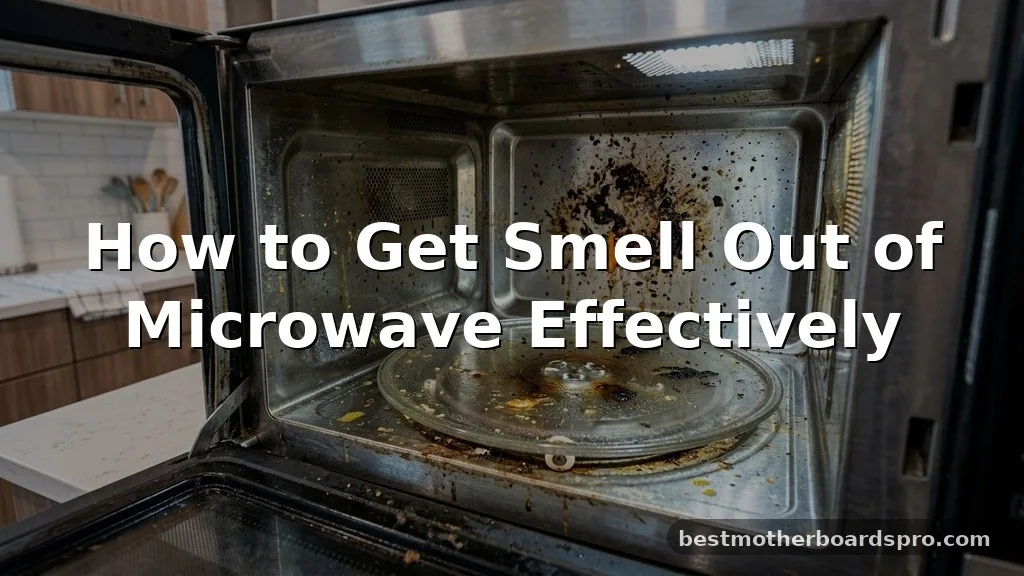
Dealing with a persistent microwave smell can turn a quick kitchen task into a frustrating chore. Whether you accidentally incinerated a bag of popcorn or heated up a particularly pungent leftover meal, those lingering odors often cling to the interior walls and the ventilation system. Knowing how to get smell out of microwave units efficiently saves you the headache of scrubbing with harsh chemicals.
By utilizing simple household staples, you can neutralize even the most stubborn scents without damaging the appliance’s finish. This approach restores your kitchen to a fresh state while ensuring your next meal tastes exactly as it should, free from any unwanted aroma.
Why Microwaves Retain Stubborn Odors
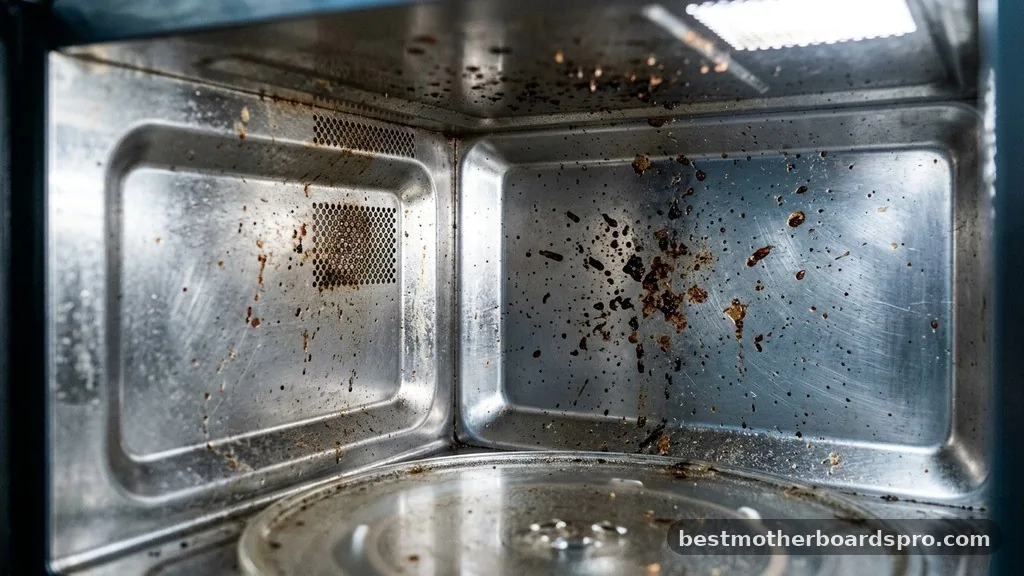
The interior of a microwave is a trap for microscopic food particles and grease. These residues settle on the turntable, the ceiling, and the vents, where they continue to break down and release gas over time. Because the air circulation inside a microwave is limited, these particles don’t dissipate easily.
When you heat food, the steam carries these fats and proteins into the nooks and crannies of the cavity. If you don’t wipe the interior regularly, these deposits harden, making the microwave smell worse every time you run a cycle. The fan and the convection grill are particularly prone to collecting these burnt or spicy particles, which can circulate odors throughout the entire machine.
Neutralizing Odors with Vinegar
Vinegar is a powerhouse for tackling kitchen funk because its acidity breaks down grease and neutralizes alkaline odor molecules. It is arguably the most effective way to eliminate smells because it acts as both a cleaning agent and a deodorizer.
To perform this method, fill a microwave-safe bowl with one cup of water and two tablespoons of white vinegar. Place the bowl inside and heat the mixture for about five minutes. The steam will fill the cavity, loosening stubborn grime and neutralizing the air.
After the timer goes off, leave the door closed for another ten minutes to let the steam work its magic. Carefully remove the bowl and use a damp cloth to wipe down the interior surfaces.
Using Lemon Juice for a Fresh Scent
If the sharp tang of vinegar is too much for your kitchen, lemon juice is an excellent, fragrant alternative. The citric acid in lemons cuts through residue effectively while leaving behind a crisp, clean scent that feels natural.
Slice a fresh lemon in half and squeeze the juice into a bowl filled with half a cup of water. Drop the lemon halves into the bowl as well, as the rinds contain essential oils that help deodorize the air. Microwave this mixture for three to five minutes until the water is boiling and the interior is steamy.
The steam will soften any dried-on splatters, allowing you to wipe them away with a soft cloth. This method is particularly useful if you need to remove the smell of burnt food or fish.
The Power of Baking Soda
Baking soda works differently than acidic cleaners; it acts as an odor absorber. If you have a lingering, stale smell that just won’t budge after a standard cleaning, this is your best bet for long-term freshness.
Mix a paste of baking soda and a tiny amount of water, then apply it to any stained areas inside the microwave. Let it sit for fifteen minutes before scrubbing gently with a cloth. For a deeper deodorizing effect, place an open container of dry baking soda inside the microwave overnight.
It will draw out the remaining odors from the air and the plastic components. Just remember to remove the container before you start cooking again.
Comparing Deodorizing Methods
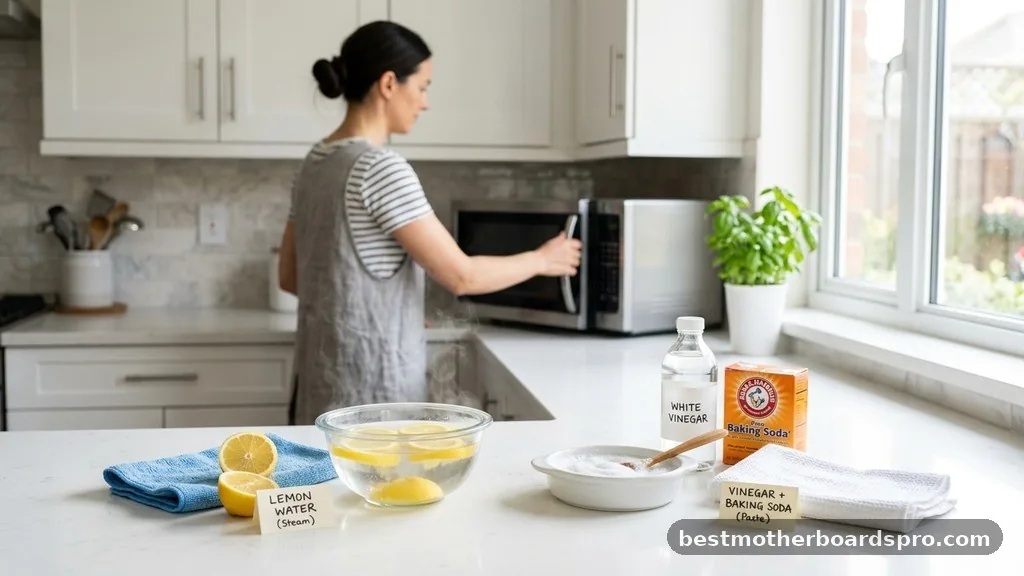
Choosing the right method depends on the intensity of the smell and the ingredients you have on hand. The following table compares the most common approaches to help you decide.
| Method | Best For | Key Benefit |
|---|---|---|
| Vinegar Steam | Grease and burnt food | Dissolves residue while neutralizing |
| Lemon Juice | Strong, fishy, or spicy odors | Leaves a fresh, pleasant fragrance |
| Baking Soda | Persistent, stale, or musty smells | Absorbs odors directly from the air |
Cleaning the Ventilation and Grill
Sometimes the smell persists because the source is hidden in the ventilation system or the convection grill. If you have cleaned the main cavity but still notice a bad odor, these components likely need attention.
- Unplug the microwave to ensure safety before working on the exterior parts.
- Locate the vent cover, which is usually found on the top or side of the unit.
- Use a vacuum attachment to suck out any dust or debris trapped in the vents.
- Wipe the grill cover with warm soap water and a soft cloth to remove grease buildup.
- Ensure the area is completely dry before plugging the unit back in.
Addressing Unusual Smells
If you notice a burning smell that isn’t related to food, it might indicate a mechanical issue rather than a cleaning problem. If the odor resembles ozone or melting plastic, stop using the appliance immediately. This could be a sign of a failing magnetron or a short circuit in the wiring.
In such cases, you should contact a professional for service rather than trying to clean it yourself. Safety should always come first when dealing with electrical appliances.
Frequently Asked Questions
Why does my microwave smell even after cleaning?
The smell likely lingers because food particles are trapped in the ventilation system or the convection grill. These areas are often overlooked during routine wipe-downs. Try steaming the unit with vinegar or lemon juice to reach these hidden spots and dissolve the trapped grease and residue.
Can I use essential oils to remove the smell?
While essential oils like eucalyptus or peppermint can mask odors, they don’t clean the source of the smell. It is better to use cleaning agents like vinegar or lemon juice first to remove the physical residue, then use oils only if you want to add a specific scent.
How often should I clean my microwave to prevent odors?
You should wipe down the interior with a damp cloth after every use to prevent splatters from hardening. A deeper cleaning using the steam method should be performed once every two weeks, or immediately after a spill, to keep the appliance smelling fresh and working efficiently.
Is it safe to use chemical sprays inside the microwave?
It is generally best to avoid harsh chemical sprays. These can leave behind toxic residues that might transfer to your food during the next heating cycle. Stick to natural, food-safe cleaners like vinegar, lemon juice, or mild soap water to ensure your kitchen remains a safe environment.
Maintaining a Fresh Microwave
Keeping your appliance clean doesn’t have to be a daily struggle. By being mindful of spills and covering your food while it cooks, you prevent the buildup that causes those stubborn odors in the first place. When you do encounter a lingering scent, remember that the steam-cleaning method with vinegar or lemon is your most reliable tool for getting the smell out of microwave interiors.
These simple habits keep your kitchen smelling clean and ensure your microwave stays in good working order for years to come. If you find that the smells persist despite your best efforts, take a moment to inspect the vents or the convection grill for deeper blockages. Consistent care makes the process of getting the smell out of microwave units much easier over time.