

We have all heard the warnings since childhood, but understanding exactly what happens if you put metal in the microwave requires looking past the myths. While many people assume that a single stray spoon will cause an immediate, catastrophic explosion, the reality is often more nuanced and rooted in electromagnetic physics. Microwaves operate by emitting high-frequency waves that agitate water molecules within your food, generating the heat necessary for cooking.
When you introduce conductive materials into this environment, you disrupt the intended path of these waves, leading to localized electrical discharges. Learning how these interactions occur helps you keep your kitchen safe while demystifying a common household concern.
The Physics of Microwaves and Metal
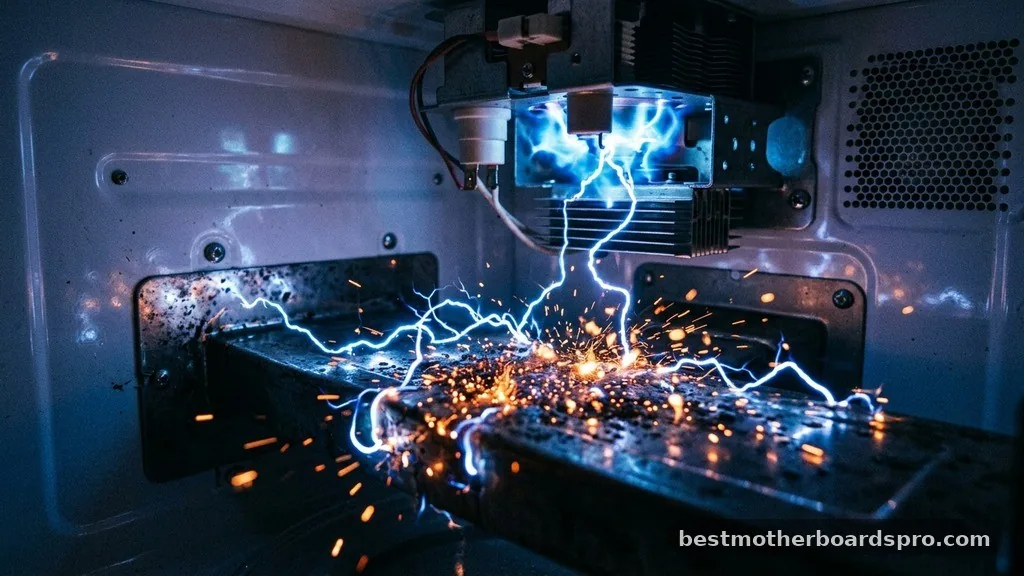
At the most basic level, your microwave is an appliance designed to transmit electromagnetic radiation. These waves bounce off the metal walls of the oven, reflecting back and forth until they are absorbed by the food inside. Metal, being a highly conductive material, does not absorb these waves like water or fat.
Instead, it reflects them. When you place a metal object inside, the electromagnetic field induces an electric current across the surface of the object.
If the metal object has sharp edges, thin points, or comes too close to the interior walls, the electrical charge can build up faster than the metal can dissipate it. This leads to arcing, which is the technical term for those bright, dramatic sparks you see jumping from the metal.
These sparks are essentially mini lightning bolts occurring within your appliance. They happen because the electric current ionizes the surrounding air, creating a path for electricity to travel through the atmosphere inside the oven.
Why Shape and Geometry Matter
Not every piece of metal behaves the same way when exposed to microwave radiation. The geometry of the object is the primary factor in determining whether you will see a harmless reflection or a dangerous discharge. Flat, smooth surfaces like a thick stainless steel bowl might reflect waves without creating a significant issue, though they will effectively shield your food from cooking properly.
Sharp, jagged, or thin objects are far more problematic. A fork with pointed tines creates high-intensity electric fields at those tips, which act as focal points for arcing.
Similarly, crinkled aluminum foil is dangerous because the tiny gaps between the folds create thousands of microscopic points where electricity can jump. This creates a cascade of sparks that can easily damage the internal components of the microwave, specifically the waveguide cover or the magnetron itself.
Common Misconceptions About Metal in the Microwave
There is a pervasive belief that any contact with metal will instantly destroy your microwave. While it is true that arcing can damage the interior finish of your appliance, it rarely causes an immediate explosion unless the metal is severely mishandled. Many modern microwave designs actually incorporate metal components, such as racks or stirrer fans, which are engineered to function without arcing.
Another myth involves the idea that metal somehow poisons your food. In reality, the arcing process does not change the chemical composition of your meal in a toxic way. The primary risk is physical damage to the appliance and the potential for fire if the sparks ignite nearby paper or plastic packaging.
| Material Type | Interaction with Microwaves | Safety Level |
|---|---|---|
| Smooth Stainless Steel | Reflects radiation; poor cooking | Usually safe but ineffective |
| Crinkled Aluminum Foil | High risk of arcing/sparks | Dangerous |
| Thin Metal Trim | Can cause localized heating | Avoid |
| Microwave-Safe Susceptor | Engineered to heat up | Safe if designed for use |
What Happens When You Use Aluminum Foil
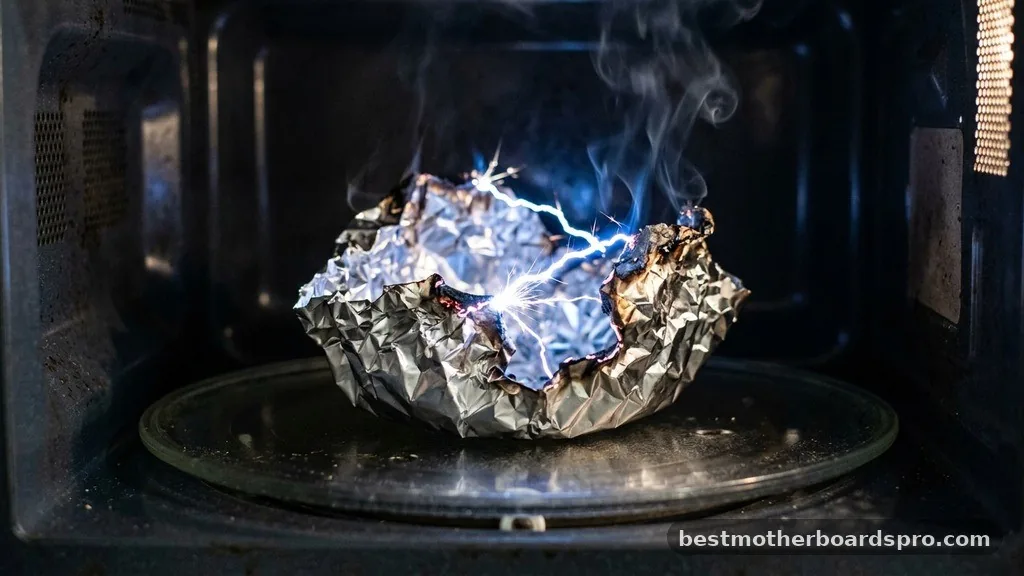
Aluminum foil is perhaps the most common source of microwave mishaps. Because it is thin and flexible, it is almost impossible to keep perfectly flat.
When you wrap food in foil, you are creating a conductive shell that reflects energy away from the interior. If there are any gaps, folds, or points in the foil, the electromagnetic energy will concentrate there, leading to the rapid ionization of air.
If you must use foil, such as for shielding parts of a roast that are cooking too quickly, you must ensure the pieces are small, smooth, and kept well away from the oven walls. Most manufacturers recommend avoiding foil entirely to prevent accidental damage to the magnetron. If you are ever unsure, it is significantly safer to transfer your food to glass or ceramic containers.
The Role of the Waveguide and Magnetron
The magnetron is the heart of your microwave, responsible for generating the electromagnetic waves. The waveguide is the pathway that directs these waves into the main cooking chamber. When you introduce metal that causes severe arcing, the reflected energy can actually travel back through the waveguide and into the magnetron.
This “back-feeding” of energy is the most dangerous scenario for your appliance. If the magnetron is forced to absorb its own reflected energy, it can overheat and burn out, effectively destroying the microwave. This is why you should never run an empty microwave or one with significant metal objects inside.
- Always check for hidden metal trim on ceramic or glass dishes.
- Avoid using twist ties made of wire to secure food packaging.
- Ensure that the interior walls remain free of debris or burnt food, which can act as conductors.
- Never attempt to modify your microwave or remove safety shields.
- Use only microwave-safe labels as a guide, but verify the material type if you are uncertain.
Addressing Topical Gaps: Can You Heat Food in a Metal Can?
Many people ask if they can heat food directly in the metal can it came in. The answer is a firm no. Metal cans are designed for shelf stability, not for microwave use.
Their shape, often featuring ridges and sharp rims, is a recipe for intense arcing. Furthermore, the metal is generally too thick to allow the microwaves to penetrate the food effectively. If you heat food in a can, you will likely end up with cold food in the center and a damaged appliance, as the energy will be entirely reflected or discharged as sparks at the rim.
FAQ
What should I do if I accidentally see sparks in my microwave?
If you see sparks, turn off the microwave immediately and unplug it if it is safe to do so. Once the appliance has cooled, inspect the interior for burn marks or damage to the waveguide cover. If the interior finish is scorched, consult a professional before using it again.
Is it safe to use metal-rimmed plates in the microwave?
You should avoid using dishes with metallic paint or gold/silver rims. These thin strips of metal act as antennas for the electromagnetic radiation. They will likely spark, cause the dish to crack or shatter, and potentially damage the microwave’s interior coating, leading to long-term performance issues.
Why do some microwave meals come with metal-lined trays?
Those trays are called susceptors. They are specially engineered with thin, metallic-like films designed to absorb energy and get very hot, which helps crisp the food. They are safe because they have been precisely calibrated to manage the energy load without creating the dangerous arcing associated with standard metal objects.
Can metal in the microwave contaminate my food?
No, the presence of metal does not introduce toxins or radioactive contamination into your food. The process is purely physical, involving electricity and heat. While the arcing might burn your food or create an unpleasant smell from scorched packaging, the food itself remains chemically unchanged by the electromagnetic waves.
Final Thoughts on Microwave Safety
Understanding what happens if you put metal in the microwave is essentially about respecting the interaction between electromagnetic fields and conductive materials. While a small, smooth spoon might not always cause a dramatic display, the potential for arcing and permanent damage to your appliance is far too high to justify the risk. By sticking to glass, ceramic, and plastics labeled specifically for microwave use, you ensure the longevity of your machine and the safety of your kitchen.
If you ever notice arcing, stop the process immediately, assess the item you were heating, and clear the chamber of any metal. Following these simple precautions allows you to use your microwave with confidence and avoid the common pitfalls that lead to costly repairs. Feel free to reach out if you have more questions about maintaining your kitchen appliances safely.