
Determining whether your favorite kitchenware is suitable for high-heat appliances often leads to confusion, especially when you are wondering if ceramic microwave safe standards apply to all your pieces. While most modern kitchen ceramics are designed to handle the thermal stress of a quick reheat, the composition, glaze, and age of the item play a massive role in its performance.
Understanding how heat interacts with clay and mineral-based finishes will prevent cracked dishes and potential safety hazards. This article breaks down the technicalities behind microwave-compatible ceramics so you can confidently heat your meals without damaging your dinnerware or risking your appliance.
Why Some Ceramics Survive the Microwave and Others Fail
Microwaves function by vibrating water molecules within food, which creates friction and heat. Ideally, the container holding your meal should remain relatively cool or only absorb heat transferred from the food itself. A ceramic piece succeeds if its material density is uniform and it lacks internal pockets of moisture or trapped air.
When you heat a dish, the moisture trapped inside porous clay can expand rapidly. If the piece is not vitrified—meaning it wasn’t fired at high enough temperatures to close its pores—that trapped moisture turns to steam.
This pressure build-up causes the ceramic to crack, chip, or even shatter mid-cycle. Understanding if a ceramic is microwave safe requires looking at the firing process and the finish applied to the surface.
Identifying Microwave-Safe Ceramics
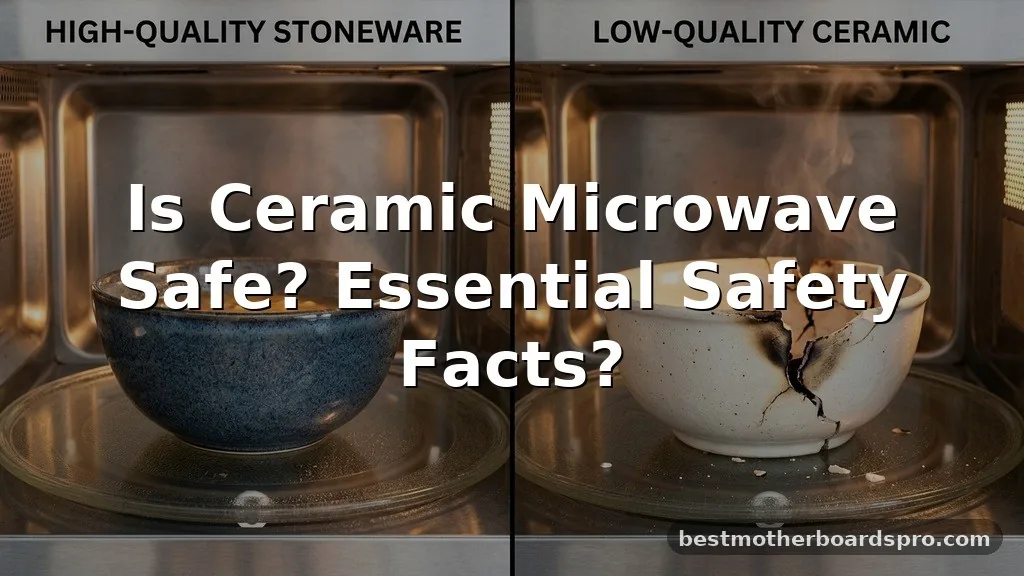
Manufacturers usually provide clear indicators on the bottom of a dish, but when those marks are missing, you need to rely on physical inspection. Most commercially produced stoneware and porcelain are generally considered safe because they undergo high-temperature firing that creates a non-porous surface.
If you are unsure about a specific mug or bowl, consider these common indicators:
- Look for the hallmark: A small icon showing a square with wavy lines or the text “microwave safe” is the gold standard for verification.
- Check the weight and finish: High-quality, vitrified ceramics feel smooth, heavy, and non-porous, whereas lower-fired earthenware often feels chalky or grainy on unglazed surfaces.
- Test for moisture absorption: If the unglazed bottom of a piece feels damp or cold shortly after washing, it likely has high porosity and should stay out of the microwave.
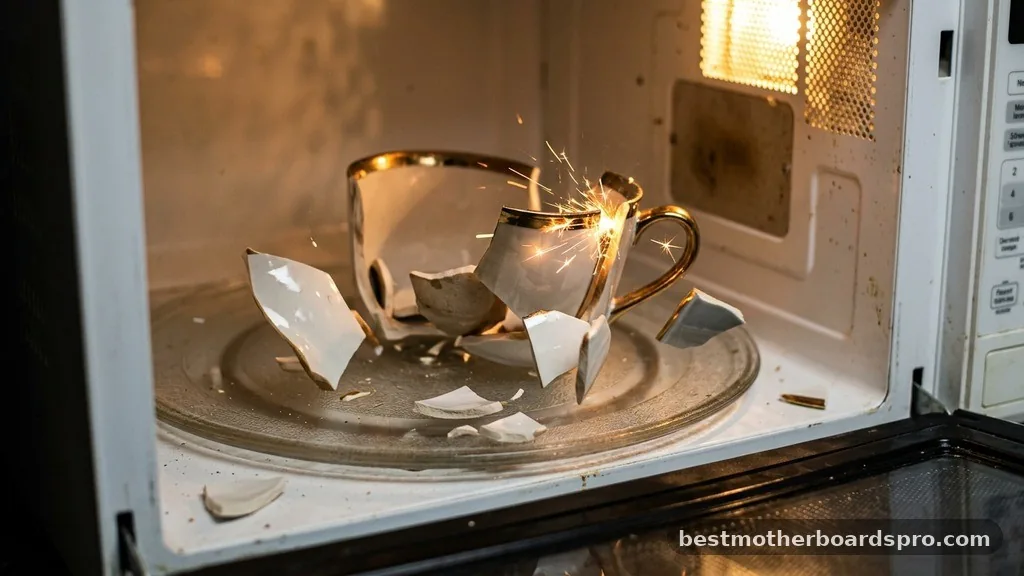
- Avoid metal accents: Any decorative rim or pattern containing gold, silver, or metallic paint will cause arcing, which can spark and damage your appliance.
The Role of Glazes and Decorative Finishes
The glaze on your ceramic is essentially a layer of glass fused to the clay body. While the clay itself might be heat-resistant, the glaze can sometimes react poorly to rapid temperature spikes. Older or antique pieces often feature lead-based glazes that were common before modern safety regulations were strictly enforced.
These older glazes can break down when exposed to the intense energy of a microwave, potentially leaching chemicals into your food. Additionally, if a glaze has developed “crazing”—a network of tiny, hair-like cracks—it is no longer a sealed barrier. These cracks allow moisture to penetrate the clay body, which leads to heating unevenness and a higher risk of the piece breaking during use.
| Ceramic Type | Microwave Suitability | Key Considerations |
|---|---|---|
| Porcelain | High | Generally very dense; check for metallic trim. |
| Stoneware | High | Durable and heat-resistant; avoid if cracked. |
| Earthenware | Low to Moderate | Often porous; prone to cracking if not properly sealed. |
| Antique/Handmade | Caution Advised | Unknown glaze composition; avoid for high-heat. |
Addressing Common Misconceptions About Heat Transfer
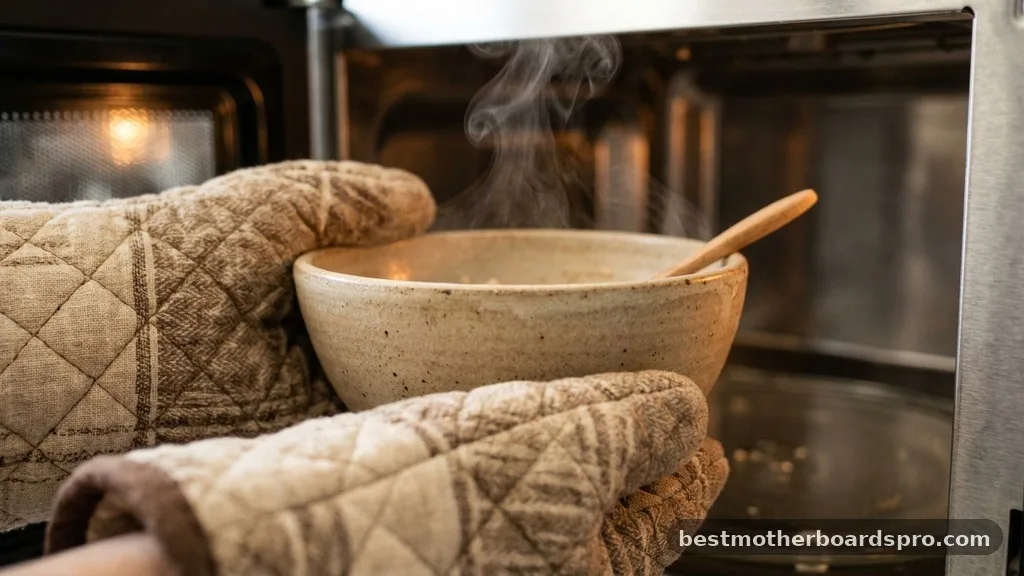
A common myth is that if a mug gets burning hot in the microwave, it is not microwave safe. In reality, this is often a sign of high thermal conductivity rather than a safety failure. Some ceramic materials are excellent at absorbing heat from the food they contain.
If you put a piece of ceramic in the microwave and it remains cool while the food gets hot, the ceramic is likely microwave-safe and has low heat absorption. If the dish becomes scorching hot while the food stays lukewarm, the material is likely absorbing the microwave energy directly. While this doesn’t necessarily mean the piece will shatter, it makes it impractical for daily use, as you will need oven mitts just to retrieve your soup or coffee.
When to Stop Using a Piece
Safety isn’t just about the initial manufacturing; it’s about the lifecycle of the object. Even a piece that was once perfectly safe can become a hazard after years of wear and tear. You should immediately retire any ceramic piece that shows signs of structural degradation.
If you notice deep cracks, significant chips, or a rough, sandpaper-like texture on the surface, the piece has lost its integrity. These gaps are breeding grounds for bacteria and places where water will accumulate. When that water expands during heating, the structural weakness will likely cause the item to split or pop, creating a mess and potentially damaging the microwave’s turntable or internal components.
The Hidden Dangers of Metallic Embellishments
Many people ignore the warning against using metallic-trimmed dishes, assuming a small gold rim won’t matter. This is a mistake. Microwaves create an oscillating electromagnetic field that interacts with conductive materials like metal.
When you place a gold-rimmed plate inside, the electrons in the metal move rapidly, creating an electrical current that jumps across gaps in the material. This process, known as arcing, can leave burn marks on your dish and cause significant damage to the microwave’s magnetron. Always inspect your dinnerware for hidden metallic flecks or thin decorative lines before you put it into the appliance.
FAQ: Common Queries Regarding Ceramic Safety
Is 100% ceramic always safe to microwave?
Not necessarily. While the term ceramic covers a broad range of materials, the safety depends on the firing temperature and the porosity of the clay. If a piece is porous, it can absorb water and crack under heat, regardless of whether it is marketed as 100% ceramic.
Why does my ceramic mug get hot but my coffee stays cold?
This happens when the ceramic contains minerals or additives that absorb microwave energy directly. If the dish heats up faster than the food, it is absorbing the radiation. While usually not dangerous, it is inefficient and indicates the material is not ideally suited for microwave use.
Can I safely microwave hand-thrown pottery?
You should be cautious with handmade pottery unless you know it was fired at high temperatures and glazed with food-safe, microwave-compatible materials. Many artisan pieces are decorative or fired at lower temperatures, making them prone to absorbing moisture and cracking when subjected to high-frequency microwave energy.
How do I check for lead in old ceramic glazes?
You can purchase simple, at-home lead testing kits from most hardware stores to check for heavy metals in glazes. If you have vintage or heirloom ceramics, it is best to avoid using them for heating food in the microwave, as older glazes are more likely to leach harmful substances.
Ensuring Longevity for Your Kitchenware
Taking care of your dinnerware ensures that you don’t have to worry about whether a piece is safe for the microwave every time you heat up leftovers. Always prioritize items that are labeled as microwave-safe, and avoid using delicate, antique, or hand-painted pieces for high-heat tasks. If you ever see signs of cracking or arcing, it is time to retire the item to prevent potential injury or damage to your appliances.
By following these simple guidelines, you can keep your kitchen running smoothly and ensure that your favorite bowls and mugs remain in top condition for years to come. If you have specific pieces you are concerned about, a quick test in the microwave with a small amount of water is usually enough to reveal their durability.