
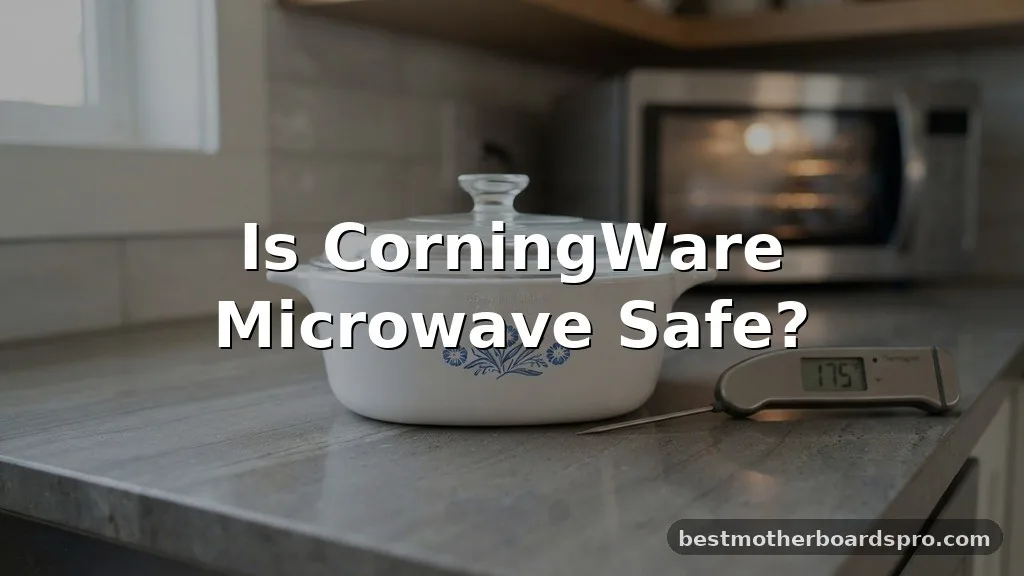
Determining whether your kitchenware can handle high-frequency heating is essential for avoiding accidents and protecting your favorite cookware. Many homeowners often wonder if CorningWare is microwave safe, especially when dealing with vintage pieces passed down through generations. Because this brand has evolved through several material formulations since its inception, the answer isn’t always a simple yes or no.
Understanding the specific composition of your dish ensures you can reheat leftovers or cook meals without the risk of cracking, shattering, or damaging your microwave oven. This overview provides the clarity you need to use your collection with total confidence.
Understanding the Composition of CorningWare
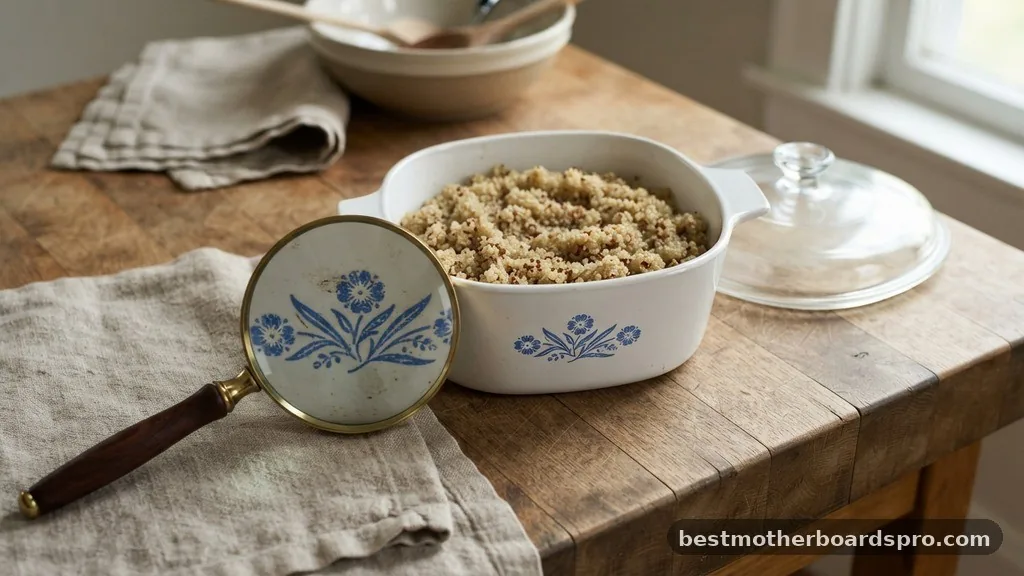
CorningWare is not a single material, but rather a brand name that has encompassed various types of heat-resistant products over the decades. The original material, known as Pyroceram, is a glass-ceramic substance that was engineered to withstand extreme thermal shock. This specific material is what made the brand a household name, as it could transition from a freezer to a hot oven without breaking.
Because of this unique molecular structure, authentic vintage Pyroceram pieces are exceptionally durable. They are inherently microwave safe because they do not contain metal or other materials that would cause arcing.
However, as the company changed ownership and manufacturing processes, they introduced newer lines made from stoneware and other ceramic materials. These newer items, while functional, possess different thermal properties than the classic glass-ceramic versions.
How to Identify Your CorningWare
Identifying whether your bakeware dish is the original glass-ceramic or a later stoneware version is the first step in determining safety. You can usually find this information stamped on the bottom of the vessel. The original glass-ceramic pieces are often lighter in weight and have a distinct, slightly translucent quality when held up to a strong light.
Stoneware pieces, which became common in later years, are typically heavier and more opaque. While most stoneware is designed to be microwave safe, it can be more susceptible to thermal stress if handled improperly. Always check for the microwave-safe symbol—a small icon showing waves inside a square—which is now standard on most modern kitchenware.
| Material Type | Appearance | Microwave Suitability |
|---|---|---|
| Pyroceram (Original) | Translucent, lightweight, white | Excellent |
| Stoneware (Modern) | Opaque, heavier, various colors | Generally safe |
| Metal-Trimmed | Gold or silver rim | Not safe |
Safety Concerns and Common Pitfalls
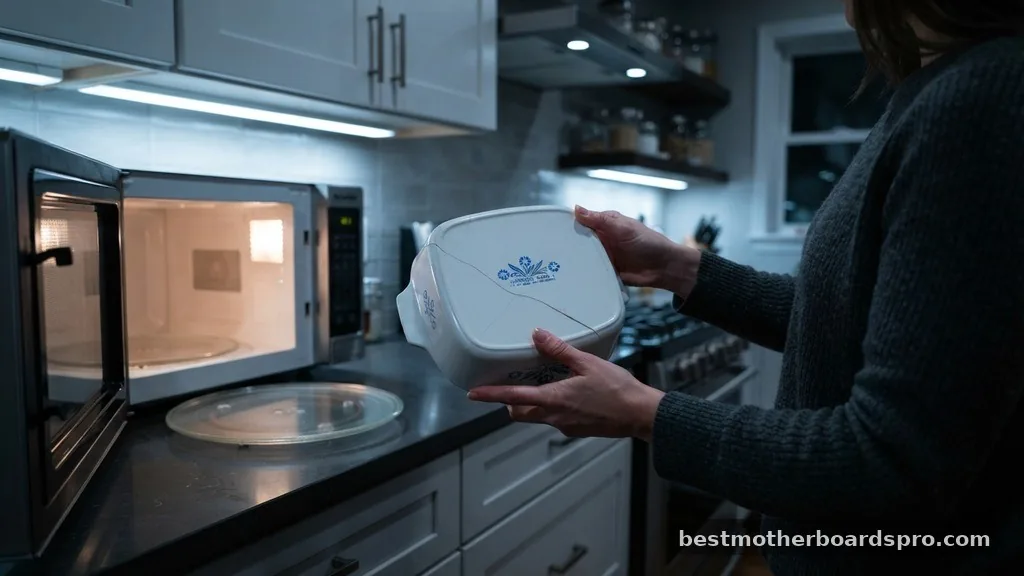
The primary concern when using any dish in a microwave is the presence of metal. If you own vintage pieces with decorative gold or silver rims, you must never place them in the appliance. Metal components cause arcing, which results in sparks that can damage your microwave’s interior and potentially cause a fire.
Another factor to consider is the lid. Many CorningWare sets include a glass lid or a plastic lid. While the glass lid is generally heat-resistant, it should not be used for long-duration cooking, as it can build up pressure.
Plastic lids, even those labeled as microwave-safe, should never be sealed tightly. Always leave a vent to allow steam to escape, preventing the lid from warping or melting.
Addressing Thermal Shock
Even if a dish is technically microwave safe, thermal shock remains a legitimate risk. Thermal shock occurs when a material experiences a rapid temperature change, causing it to expand or contract unevenly. This can lead to hairline fractures or even sudden breakage.
To protect your dishes, avoid these common mistakes:
- Moving a dish directly from a deep freezer to a high-power microwave setting.
- Adding cold water to a hot dish immediately after removing it from the microwave.
- Using a dish that has existing cracks or chips, as these are weak points that will fail under heat.
- Overheating a dish that is empty or contains very little moisture.
Distinguishing Between Types of Bakeware
It is helpful to distinguish between the different eras of the brand to better understand why some users have different experiences. The popular brand moved toward stoneware in the late 1990s and 2000s to cater to changing aesthetic preferences. While these pieces are often labeled as microwave safe, they do not have the same thermal shock resistance as the original Pyroceram.
If you are using a round or square casserole dish from a newer collection, treat it with the same care you would any other stoneware product. Avoid extreme temperature fluctuations, and ensure the dish is at room temperature whenever possible before beginning a long cooking cycle.
Frequently Asked Questions
Can I use vintage CorningWare with a gold rim in the microwave?
No, you should never put any dish with metallic paint, gold, or silver rims into a microwave. The metal will cause arcing, which creates sparks and can permanently damage your microwave oven or cause a fire hazard. Always inspect the rim before heating.
Is the plastic lid that comes with my dish safe to use?
Most plastic lids provided with these dishes are designed for food storage rather than cooking. While some are microwave-safe for reheating, you should never seal them during the process. Always leave the lid slightly ajar to allow steam to escape and prevent potential melting or deformation.
Why did they stop making the original Pyroceram material?
The manufacturing process for the original glass-ceramic was extremely energy-intensive and costly. Over time, the company shifted toward more modern ceramic and stoneware options that were cheaper to produce, allowing the brand to remain competitive while meeting the demand for a wider variety of colors and designs.
How can I tell if my dish is actually Pyroceram?
Look for the stamp on the bottom of the dish. Authentic Pyroceram pieces usually feature a specific manufacturing mark or the word “Pyroceram.” Additionally, the material has a distinctive, slightly translucent appearance when held up to a bright light, whereas stoneware remains completely opaque and heavy.
Final Thoughts on Microwave Safety
Using your cookware effectively requires balancing convenience with caution. Because the question of is CorningWare microwave safe depends heavily on the specific generation of the product, taking a moment to inspect your dish is always the best policy. By identifying whether you have original glass-ceramic or modern stoneware, you can adjust your habits to keep your kitchenware in excellent condition for years.
Always prioritize safety by avoiding metal-trimmed pieces and ensuring that any lids are properly vented during use. With these simple habits, you can continue to enjoy the versatility and classic appeal of your favorite dishes without worry. If you ever have doubts about the age or material of a specific piece, it is always safer to use a different, clearly marked container to prevent any accidents.