
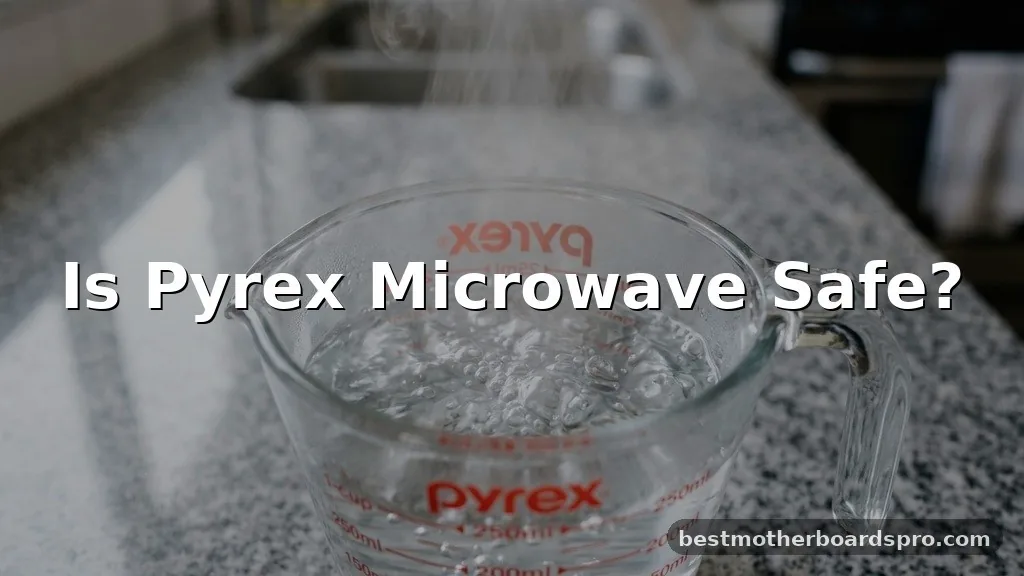
Determining whether your kitchenware is suitable for high-heat appliances is essential for maintaining safety and preventing accidents. Many home cooks often wonder if they can safely heat their meals in a glass dish, specifically asking the question of whether Pyrex is microwave safe for daily use. While this brand is a household staple, the material composition has evolved over the decades, leading to some confusion regarding its durability.
Understanding the nuances of your specific glassware will help you avoid thermal shock and ensure your cooking process remains efficient. By identifying the material and following proper heating protocols, you can confidently use these versatile containers for reheating leftovers or preparing quick snacks without worrying about shattering.
Understanding Glass Composition and Thermal Shock
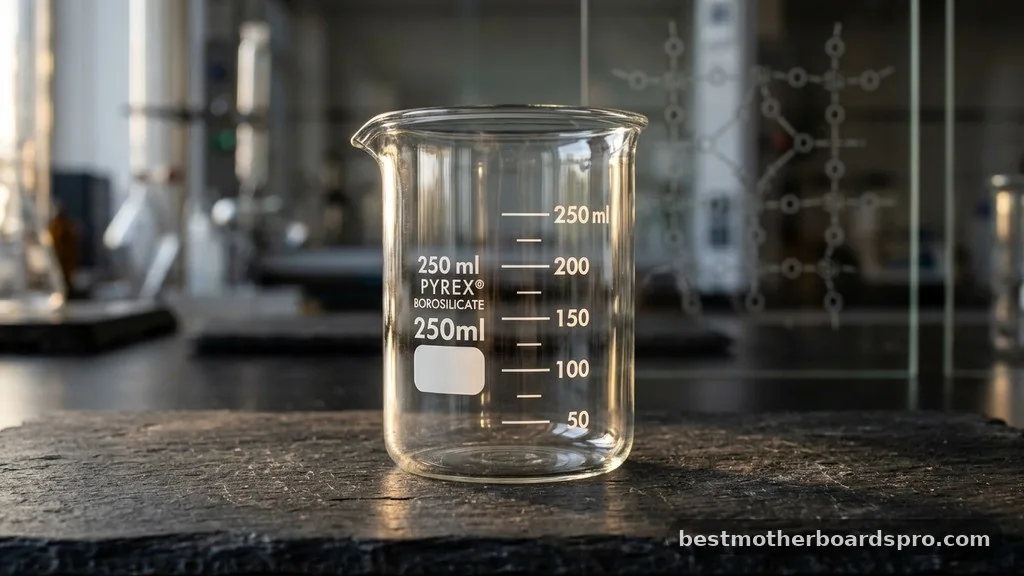
The primary reason people question the safety of their glassware involves the concept of thermal shock. This occurs when a material experiences a rapid temperature change, causing it to expand or contract unevenly. If the glass cannot handle this stress, it may crack or shatter suddenly.
Historically, the brand was famous for using borosilicate glass, which is highly resistant to thermal stress. In recent years, many products sold under the same label in the United States shifted to tempered soda-lime glass. While this material is stronger against physical impact, it is slightly more sensitive to extreme temperature fluctuations than its predecessor.
Identifying Your Glassware Type
You can generally determine the type of glass you own by looking at the markings on the bottom of the dish. Most modern pieces feature a stamp indicating that they are intended for oven and microwave use.
If you are dealing with vintage Pyrex, you might notice different branding or a lack of modern safety symbols. Always inspect your dishes for chips or deep scratches before placing them in a microwave, as these imperfections create weak points where stress can concentrate during heating.
Best Practices for Microwave Heating
When you decide that a piece of glassware is appropriate for your appliance, you should still follow specific steps to protect both the dish and your food. Microwaves work by exciting water molecules, which generates intense heat very quickly.
- Remove plastic lids before heating, as they are often not designed to withstand high temperatures and may warp.
- Avoid heating empty containers; always ensure there is food or liquid inside to absorb the microwave energy.
- Do not place a cold dish directly from the refrigerator into a high-heat setting, as this increases the risk of thermal shock.
- Use a microwave-safe cover to prevent splatters and allow steam to escape through a small vent.
- Allow the glass to cool down naturally on a wooden cutting board or a dry towel rather than placing it on a cold, wet surface.
Comparing Glassware Suitability
Different materials react differently to various kitchen environments. The table below provides a quick reference for how typical kitchen storage and cooking containers perform in common scenarios.
| Material Type | Microwave Safe | Oven Safe | Freezer Safe |
|---|---|---|---|
| Borosilicate Glass | Yes | Yes | Yes |
| Tempered Soda-Lime | Yes | Yes (With Caution) | Yes |
| Standard Plastic | Varies | No | Yes |
| Ceramic | Yes | Yes |
Addressing Common Usage Concerns
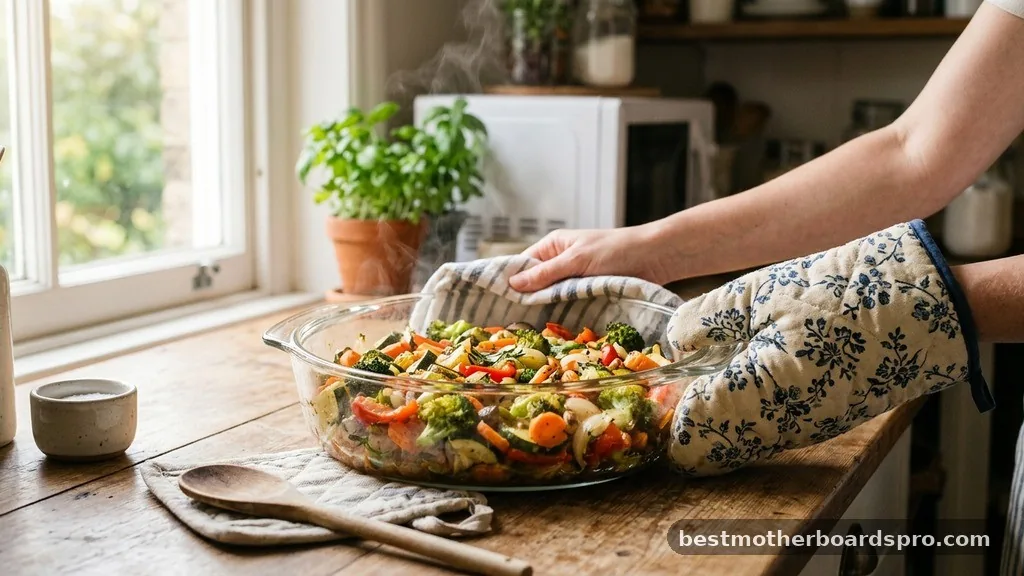
One common misconception is that if a dish is microwave safe, it must be indestructible. In reality, even high-quality glass has limits. If you are heating a glass dish that has been stored in the freezer, you must allow it to reach room temperature before subjecting it to the microwave.
Furthermore, you should never use these containers in an air fryer or on a stovetop burner. These appliances apply heat in ways that the glass is not manufactured to handle.
When using a set of containers for storage, keep the lids separated if you aren’t sure of their heat rating. Many plastic lids will melt or release chemicals if they come into direct contact with hot food or the interior walls of a microwave.
The Role of Steam and Pressure
When you cook or reheat food, you are often generating steam. If you seal your container completely with a lid, you trap that steam, which builds pressure. This can lead to a messy explosion or, in rare cases, cause the glass to fail under the internal force.
Always leave a gap for ventilation or use a dedicated microwave-safe splatter guard. If you are reheating soups or sauces, stir the contents halfway through to ensure even heat distribution, which prevents localized “hot spots” that put unnecessary stress on the bottom of the vessel.
Frequently Asked Questions
How do I know if my glass container is safe for the microwave?
Check the bottom of your dish for a microwave-safe symbol, which usually looks like a square with wavy lines. If there are no markings, look for the manufacturer’s logo. If you cannot confirm the material, it is safer to transfer your food to a known microwave-safe bowl.
Can I put a cold glass dish directly into the microwave?
It is best to avoid sudden temperature changes. If the glass has been in the freezer, let it sit on your counter for at least 30 minutes to reach room temperature. A cold dish entering a hot environment is the most common cause of thermal stress and breakage.
Why does my lid warp in the microwave?
Most lids are made of plastic that is intended for storage, not heating. Even those labeled as microwave-safe can deform if they come into contact with hot grease or sugar-heavy foods. It is always best to remove the lid or place it loosely on top to vent steam.
Is vintage glassware safe for modern heating?
Older pieces made of borosilicate glass are generally very durable. However, because they are older, they are more likely to have microscopic chips or cracks from years of use. Inspect them carefully before use, and if you see significant wear, use them for cold storage only.
Maintaining Your Kitchenware
Taking care of your collection ensures that the items you have deemed to be microwave safe remain that way for years. Avoid using abrasive scrubbers that can scratch the surface, as these scratches can propagate into larger cracks over time. If you notice a crack, it is time to retire the piece, regardless of its original quality.
By treating your glassware with care and understanding the limitations of the material, you ensure that the answer to is Pyrex microwave safe remains a confident yes for your daily kitchen routine. Proper handling turns your simple storage containers into reliable tools that can move from the fridge to the microwave with ease, provided you avoid the hazards of extreme thermal shock.