
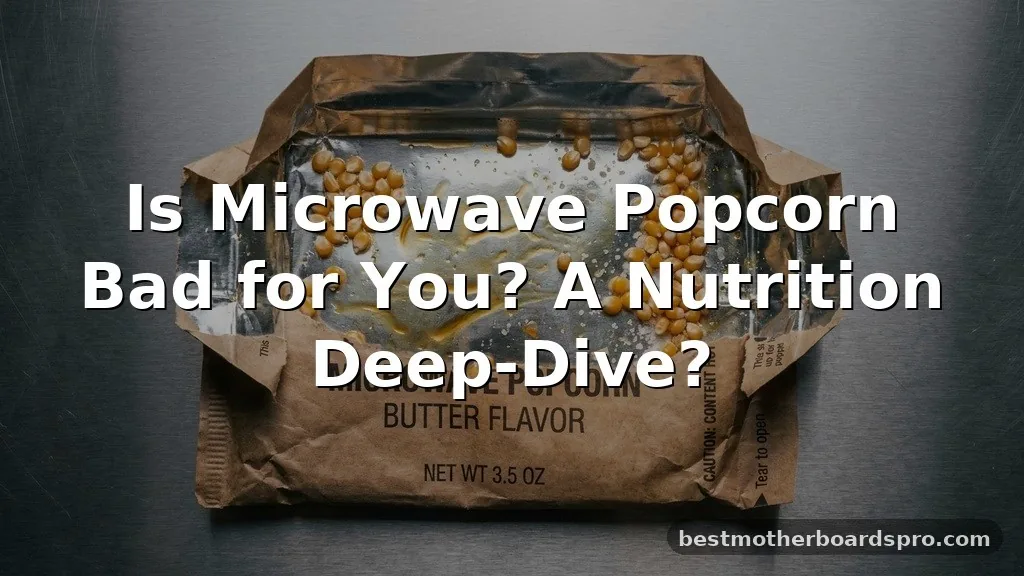
Many people wonder if microwave popcorn is bad for you when they reach for a quick snack during a movie night. It is a convenient pantry staple, but the reality behind those paper bags is more complex than just corn kernels and butter.
Concerns about processing methods, chemical linings, and ingredient additives have sparked plenty of debate among nutritionists and casual snackers alike. By looking at the specific components involved in modern manufacturing, you can make an informed decision about whether this snack deserves a place in your pantry or if it is better left on the shelf.
The Chemical Landscape of Microwave Packaging
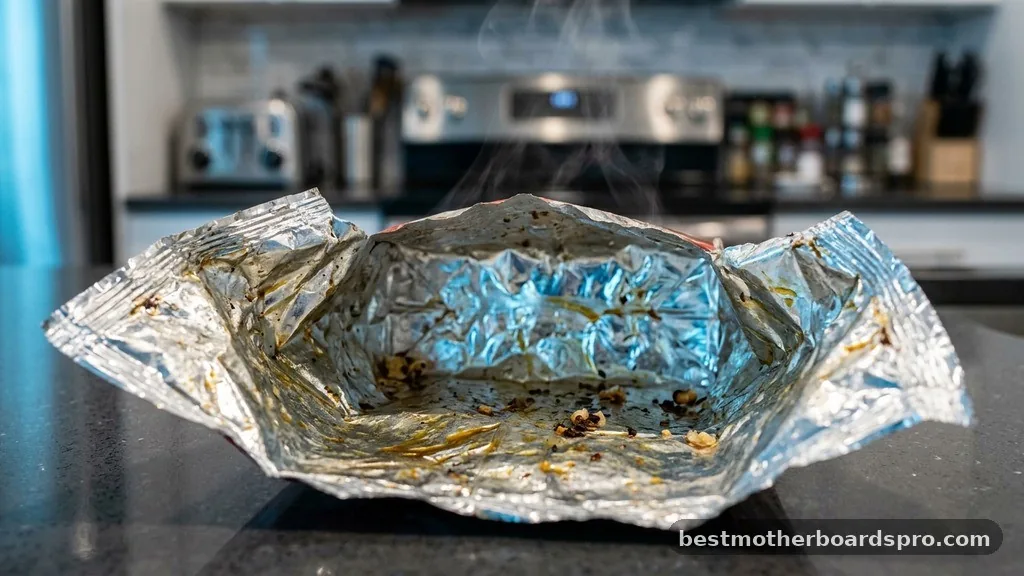
The most significant concern regarding these bags involves the materials used to prevent grease from leaking. Manufacturers historically relied on PFAS (per- and polyfluoroalkyl substances) to line the interior of the bags. These synthetic compounds are designed to resist heat, oil, and water, but they are also known as “forever chemicals” because they do not break down easily in the environment or the human body.
Research has linked exposure to certain types of PFOA, a specific subset of these chemicals, to various long-term health issues. While many major brands have transitioned away from using these substances in their packaging, the legacy of their use remains a point of contention. When you heat these bags in a microwave, some studies suggest that these compounds can migrate into the kernels, potentially entering your blood stream through ingestion.
Diacetyl and the Risk of Popcorn Lung
Beyond the packaging, the artificial flavoring used to mimic buttery goodness has its own checkered history. The chemical diacetyl, which provides that distinct, creamy aroma, was once heavily used in microwaveable varieties. In high concentrations, inhaling vaporized diacetyl has been linked to bronchiolitis obliterans, a rare and severe respiratory condition often called popcorn lung.
While factory workers in production facilities faced the highest risk due to chronic inhalation, the concern for the average consumer is significantly lower. Most reputable companies have phased out or significantly reduced diacetyl in their flavor profiles in recent years. Still, if you are sensitive to artificial additives, checking the ingredient label for “natural and artificial flavors” is a practical step to identify whether these substances remain present in your chosen brand.
Nutritional Breakdown: Fats and Sodium
Even if the chemical concerns were resolved, the nutritional profile of many commercial varieties remains questionable. Microwaveable snacks are often loaded with saturated fats or, in some cases, partially hydrogenated oils that contain trans fats. Consuming these types of fat in excess is a well-documented driver of cardiovascular strain and elevated cholesterol levels.
Furthermore, the salt content in a single bag can be staggering. Many varieties contain high levels of sodium, which can contribute to hypertension and water retention. Finding a balance requires looking at the nutritional panel closely, as the “per serving” size is often misleadingly small compared to the amount actually contained in one bag.
| Nutrient Category | Common Microwave Variety | Air-Popped Alternative |
|---|---|---|
| Total Fat | High (10-15g) | Very Low (0-1g) |
| Sodium | High (300-500mg) | Negligible |
| Fiber | Moderate | High |
| Additives | Artificial Flavors/Preservatives | None |
Addressing Common Misconceptions

There is a persistent fear that eating this snack will automatically lead to cancer. It is important to distinguish between the risks posed to workers in industrial settings versus the occasional consumer at home. While the scientific community continues to study the long-term effects of chronic exposure to various synthetic additives, current evidence does not suggest that eating a bag of popcorn occasionally will cause immediate, catastrophic damage to your health.
However, the cumulative impact of processed foods is real. Relying on pre-packaged snacks as a primary source of fiber or as a regular treat can displace more nutrient-dense whole foods in your diet. The goal isn’t to demonize the snack, but to encourage a transition toward cleaner, more controlled preparation methods.
Healthier Alternatives for Popcorn Lovers
If you love the crunch of popcorn but want to avoid the risks associated with microwave bags, you have plenty of options. The most effective way to control what goes into your body is to prepare the kernels yourself.
- Use a stovetop popper with a small amount of healthy oil, such as avocado or coconut oil.
- Invest in a silicone microwave bowl that allows you to pop plain kernels without any chemical-lined paper.
- Air-popping machines are a fantastic, fat-free way to create a light, fluffy snack.
- Season your own popcorn with nutritional yeast, sea salt, or dried herbs instead of relying on pre-packaged butter flavorings.
The Role of Regulatory Oversight
The Food Drug Administration (FDA) plays a vital role in monitoring the safety of food packaging and additives. Over the last decade, the agency has faced pressure to tighten regulations regarding the chemicals used in food contact substances. These regulations are the reason many manufacturers have moved toward “PFAS-free” labeling on their boxes.
When you see such a label, it indicates that the brand has made a proactive effort to remove these persistent chemicals. However, regulatory processes are often slower than consumer demand. Staying informed about which companies are transparent about their supply chains can help you make safer choices when you are shopping for your pantry.
FAQ
Is it safe to eat microwave popcorn every day?
Eating microwave popcorn daily is generally not recommended due to high levels of sodium, saturated fats, and potential chemical residues from packaging. While an occasional bag is unlikely to cause severe harm, relying on it as a frequent snack can negatively impact your long-term cardiovascular health and nutrition.
What should I look for on the label to avoid harmful chemicals?
Look for labels that explicitly state “PFAS-free” or “PFOA-free” on the packaging. Additionally, check the ingredient list for “natural flavors” rather than “artificial flavors” and opt for versions with lower sodium and minimal saturated fat to ensure you are getting a cleaner nutritional profile.
Can microwave popcorn really cause lung disease?
The condition known as popcorn lung was primarily identified in factory workers who inhaled high concentrations of diacetyl vapors daily. While the risk to the average consumer is considered extremely low, many manufacturers have removed this chemical from their recipes to eliminate that specific health concern entirely.
What is the healthiest way to pop corn?
The healthiest method is air-popping or using a stovetop pot with a small amount of healthy oil. This gives you full control over the ingredients, allowing you to avoid harmful packaging chemicals, excessive salt, and artificial flavorings while enjoying the natural fiber found in the corn.
Final Thoughts on Smart Snacking
The question of whether microwave popcorn is bad for you really comes down to the quality of the product and the frequency of your consumption. While the convenience is undeniable, the potential presence of synthetic chemicals and high levels of sodium makes it a snack better enjoyed in moderation. By shifting toward air-popped or stove-top varieties, you can enjoy the same satisfying crunch without the unwanted additives.
Taking control of your snacks is a simple way to improve your overall well-being. If you are looking to refine your diet, start by swapping out one processed item at a time for a homemade version. Your health is built on the small, consistent choices you make in the kitchen every single day.