
When you’re short on time but craving a nutritious, fiber-packed meal, knowing how to microwave sweet potato efficiently becomes an essential kitchen skill. This method transforms a rock-hard tuber into a soft, tender, and delicious side dish in just a fraction of the time required for oven roasting.
Whether you are prepping for a busy weeknight dinner or simply need a quick base for a loaded potato topping, the microwave is your best friend. By following a few simple steps, you can achieve consistent results that rival traditional cooking methods without the long wait.
Preparing Your Sweet Potato for the Microwave
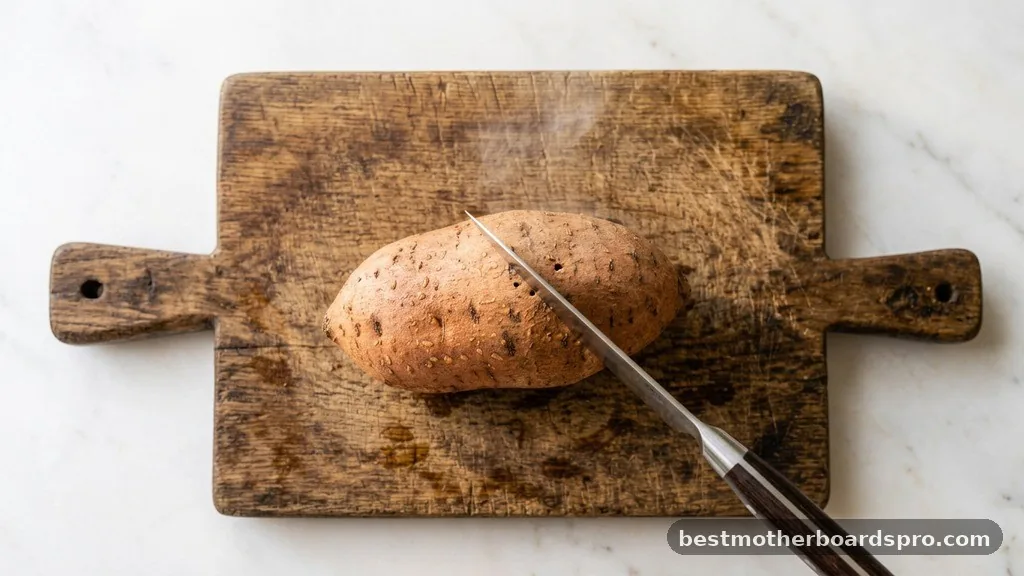
Before you even think about hitting the start button, you need to prepare the vegetable properly. This ensures it cooks evenly and prevents any culinary disasters.
Start by rinsing the sweet potato under cold running water to remove any lingering dirt or debris from the skin. Scrubbing it gently with a vegetable brush is a good practice if the tuber looks particularly earthy.
Once clean, pat the exterior dry with a clean kitchen towel or paper towel. Moisture on the outside can lead to uneven steaming, so a dry surface is better for the initial heat distribution.
The Importance of Piercing the Skin
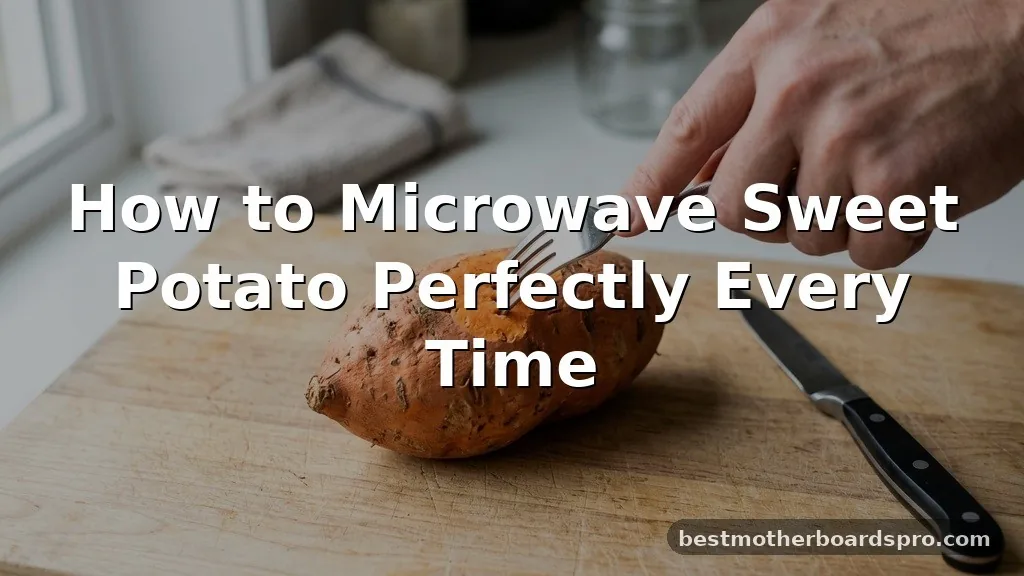
You must pierce the skin several times with a sturdy fork or a sharp knife. This step is non-negotiable because it creates vents for the steam to escape as the internal temperature rises.
Without these holes, the pressure builds up inside the dense flesh, which can cause the potato to burst or even explode inside your appliance. Aim for about six to eight deep pokes distributed across the surface, including the ends.
The Efficient Cooking Process
Once your potato is prepped, place it directly on a microwave-safe plate. You don’t necessarily need a fancy dish, but a flat plate makes it easier to handle once the cooking is finished. If you are cooking multiple potatoes, ensure they are not touching, as overcrowding can drastically increase the total time needed for the heat to penetrate each one.
Setting the Right Time
The total cooking time depends heavily on the size of your sweet potato and the wattage of your appliance. Most medium-sized tubers take between five and eight minutes to reach a fork-tender consistency.
Start by setting your timer for five minutes. After that, check the firmness by gently squeezing the potato with an oven mitt or pushing a fork into the center.
If the fork meets resistance, continue cooking in one-minute increments. This interval-based approach is the most reliable way to prevent overcooking, which can leave the flesh dry or stringy.
| Potato Size | Estimated Cooking Time | Power Level |
|---|---|---|
| Small (under 6 oz) | 3–5 minutes | High (100%) |
| Medium (6–10 oz) | 5–8 minutes | High (100%) |
| Large (over 10 oz) | 8–12 minutes | High (100%) |
Why Steam Matters for Texture
Many home cooks worry that using a microwave will result in a rubbery or dehydrated vegetable. However, the secret lies in how you manage moisture. While piercing the skin is crucial for safety, you can also wrap the potato in a damp paper towel if you prefer a softer, more steamed texture.
- Damp paper towel method: Keeps the skin moist and yields a softer, more uniform interior.
- Naked potato method: Results in a slightly more wrinkled skin, which some find more appetizing.
- Half-way flip: Turning the potato over halfway through the cycle ensures the heat is distributed evenly across both sides.
Addressing Common Cooking Challenges

Even experienced cooks run into issues occasionally. One common problem is the potato coming out hard in the middle while the outside is mushy.
This usually happens when the potato is too large or the microwave settings are too high, causing the exterior to overcook before the heat reaches the core. If you have a particularly large specimen, consider cutting it in half lengthwise before cooking to reduce the distance heat must travel.
Another concern is the loss of natural flavor. Because microwaves cook by vibrating water molecules, the flavor can sometimes feel slightly diluted.
You can combat this by seasoning the potato immediately after it finishes cooking. A small pat of butter and a pinch of salt can do wonders for the natural sweetness of the vegetable.
Maximizing Nutritional Value
Sweet potatoes are nutritional powerhouses, packed with vitamin A, vitamin C, and potassium. Many people wonder if microwave cooking destroys these nutrients. Research suggests that because microwaving is a fast process and uses very little water, it actually retains more heat-sensitive vitamins compared to boiling, where nutrients leach out into the cooking water.
To keep your meal healthy, avoid high-calorie toppings that mask the vegetable’s natural profile. Instead, consider these nutrient-dense additions:
* A sprinkle of cinnamon or nutmeg for a dessert-style treat.
* A dollop of Greek yogurt for added protein.
* Black beans and salsa for a savory, fiber-rich lunch.
Comparing Cooking Methods
Choosing the right technique for your lifestyle makes a massive difference in your daily routine. While roasting in an oven provides a caramelized, sugary skin, it requires significant time and energy. The microwave is clearly superior when you need something fast, though it lacks that crispy finish.
| Method | Time Commitment | Texture Result |
|---|---|---|
| Microwave | 5–10 minutes | Steamed, soft |
| Oven Roast | 45–60 minutes | Caramelized, crispy skin |
| Boiling | 20–30 minutes | Water-logged, soft |
Advanced Tips for Better Results
If you want to achieve the best of both worlds, use a hybrid approach. Microwave the sweet potato for about four minutes to soften the interior, then transfer it to a preheated oven or an air fryer for another ten minutes. This hybrid method finishes the skin, giving it that desired crispness while drastically cutting down the overall time compared to traditional roasting.
Always let the potato rest for a minute or two after it comes out of the microwave. The internal heat continues to redistribute during this short cooling period, ensuring the center is perfectly cooked without burning your mouth. Using a clean fork to fluff the inside before adding your butter and salt helps the seasonings penetrate the flesh more effectively.
Common Questions About Microwave Cooking
How long do you microwave a raw sweet potato?
For a standard medium-sized sweet potato, you should start by microwaving it for five minutes on high power. Depending on the specific wattage of your appliance and the size of the potato, it may require an additional one to three minutes to become completely tender throughout.
What are common mistakes when microwaving sweet potatoes?
The most frequent mistake is failing to pierce the skin, which can cause the potato to burst. Other errors include overcooking the vegetable, which leads to a dried-out interior, or failing to rotate the potato halfway through, resulting in uneven cooking and cold spots in the center.
Is it healthier to microwave sweet potatoes?
Yes, microwaving is a very healthy preparation method. Because it is a fast process that uses minimal water, it helps retain more water-soluble vitamins and minerals compared to boiling or prolonged roasting. It is an efficient way to keep the nutritional integrity of the vegetable intact while saving time.
Can I microwave a sweet potato without a paper towel?
You absolutely can cook a sweet potato without a paper towel. Simply place it directly on a microwave-safe plate. The skin may become slightly drier or more wrinkled compared to the steamed version, but the flavor and texture of the interior will remain excellent and perfectly edible.
Final Thoughts on Perfect Results
Mastering the art of how to microwave sweet potato is a simple way to streamline your meal prep and ensure you always have a healthy option available. By focusing on proper preparation, such as piercing the skin, and using short, interval-based cooking times, you can consistently achieve a tender, delicious result. Whether you enjoy your potato plain with a touch of salt or loaded with your favorite toppings, this method proves that convenience does not have to come at the expense of quality.
Experiment with your preferred seasoning combinations and enjoy the efficiency of this kitchen staple. Next time you find yourself hungry, remember these quick steps to get a nutritious meal on the table in minutes.