
Determining whether you can put paper in the microwave often comes down to the type of material and the duration of the heat exposure. While many common kitchen items made of cellulose are generally acceptable for short bursts, the risk of fire or chemical contamination remains a genuine concern. You need to distinguish between standard household items and those treated with chemicals, dyes, or metallic components.
Understanding these nuances helps you avoid potential kitchen hazards while ensuring your food heating process remains efficient and clean. By learning the specific conditions under which paper is safe, you gain better control over your daily routine, protecting both your appliances and your meals from unnecessary damage.
Understanding the Basics of Microwave-Safe Paper
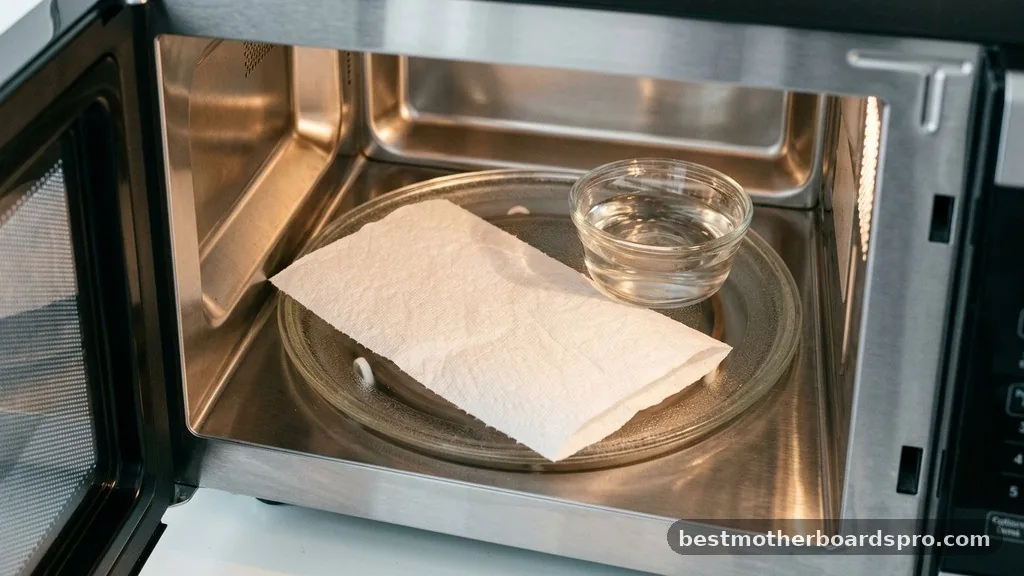
Most people use paper products in their daily routines, but not all are created equal when it comes to high-frequency electromagnetic radiation. When you ask if you can put paper in the microwave, the answer is usually yes, provided the item is simple, plain, and free of additives.
The primary danger during the process is combustion. Paper has a relatively low ignition point, and if the moisture content in your food evaporates, the dry material can quickly reach its flashpoint.
Microwave-safe paper is typically designed to withstand brief periods of heat without catching fire or leaching harmful substances into your food. Common examples include plain white napkins, paper towels, and specific types of parchment paper. These items serve a functional purpose, such as covering a bowl to prevent splatters or absorbing excess moisture from a sandwich.
However, the thickness and density of the paper matter significantly. Thicker materials, like heavy cardboard or certain types of take-out containers, may contain glues or synthetic linings that react poorly to intense heat.
When Paper Becomes a Safety Hazard
The most significant risk factor is the presence of non-paper components. Many modern paper products are coated with thin layers of plastic, wax, or even metallic inks to improve durability or appearance.
When these materials are subjected to heating, they can melt, warp, or even spark. You should avoid putting any paper product with a glossy finish in the machine, as this often indicates a plastic or synthetic coating.
Common Materials to Avoid
- Brown paper bags: These are often recycled and may contain metal fragments or glues that aren’t heat-resistant.
- Newspapers: The ink used in printing can release toxic fumes when heated and may contain lead or other heavy metals.
- Glossy or wax-coated paper: These materials can melt and create a mess or release harmful chemical vapors.
- Construction paper or craft supplies: These often contain dyes that are not food-grade and can off-gas when exposed to high temperatures.
Comparing Common Kitchen Paper Products
To better understand how different materials behave, consider the following comparison table. This data highlights which items are generally acceptable and which should be kept far away from your appliance.
| Material Type | Microwave Safety Status | Best Use Case |
|---|---|---|
| Plain Paper Towel | Safe | Covering bowls or absorbing steam |
| Parchment Paper | Safe | Lining plates or wrapping food |
| Paper Plates | Conditional | Short-term reheating only |
| Glossy/Coated Paper | Unsafe | Avoid entirely |
| Recycled Paper Bags | Unsafe | High fire risk |
The Role of Moisture in Preventing Fires
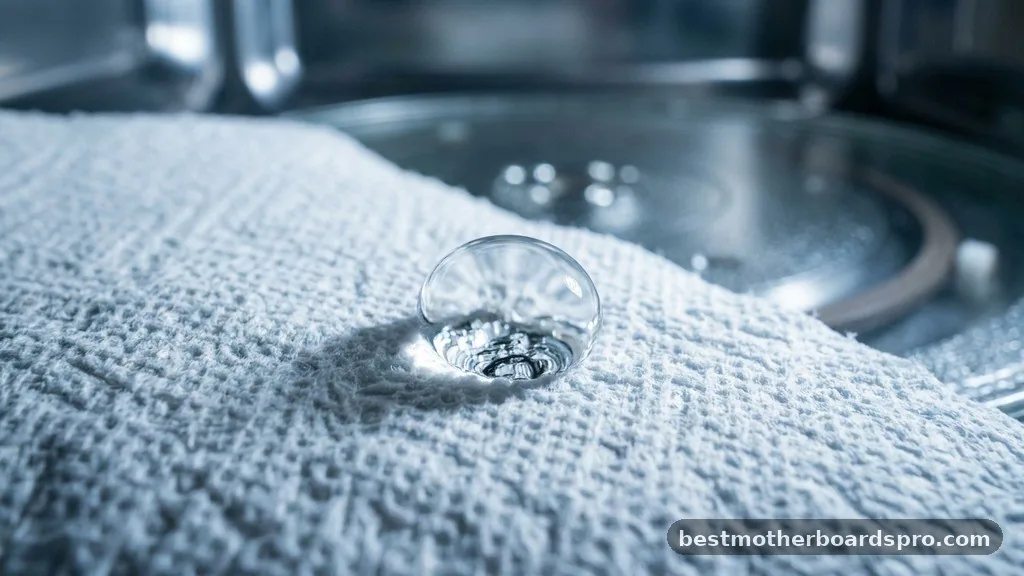
The presence of moisture is the single most important factor that determines whether your paper item will catch fire. Paper needs a high temperature to ignite, but the heat generated by a microwave is meant for water molecules in food.
If your food is moist, the steam released acts as a buffer. The paper stays relatively cool as long as it is damp or in contact with a wet food item.
Once the moisture is gone, however, the temperature of the paper can rise rapidly. This is why you should never use paper for long-duration tasks. Heating something for five minutes is a recipe for disaster compared to a quick 30-second reheat.
If you find your paper towel is becoming dry and crispy, stop the machine immediately and remove the item. Using a lower power setting can also help mitigate the risk of the paper drying out too quickly.
Choosing the Right Paper for Reheating
When you look for convenience, it is tempting to use whatever is nearby. However, opting for dedicated microwave-safe paper products is always the smarter choice.
Parchment paper is an excellent option because it is treated to be heat-resistant and non-stick. It is far more reliable than a standard paper napkin or a flimsy paper plate.
If you must use a paper plate, check the bottom for a label indicating that it is microwave-safe. Many manufacturers test their products specifically for this purpose.
If you cannot find such a label, it is safer to transfer your food to a glass or ceramic container. These materials are inert and provide a much higher margin of safety than paper, regardless of how short the heating time might be.
Addressing Topical Gaps: Hidden Dangers
Many users are curious about why certain take-out containers are problematic. The issue often lies in the “hidden” chemistry of the packaging. Even if a box looks like simple paper, the interior is often lined with a thin, invisible layer of polyethylene or other plastics to prevent grease leakage.
When you heat these containers, you are essentially microwaving plastic. This can lead to the migration of chemicals into your food, which is a significant health concern.
Another gap in common knowledge involves the “recycled” label. While recycling is great for the environment, recycled paper often contains a higher concentration of impurities. These impurities can include small bits of metal, ink residues, or adhesives that were not removed during the recycling process.
In a high-energy field like that inside a microwave, these impurities can act as antennas, potentially causing arcing or localized hot spots that lead to fire. Always prioritize virgin, untreated paper products for food contact.
Best Practices for Safe Usage
To ensure you stay safe, always prioritize shorter heating intervals. If you need to heat something for more than a minute, pause the machine to check the paper.
If it shows signs of browning or curling, that is a clear signal to remove it. Never leave your microwave unattended while heating paper products, as a small spark can grow into a flame in seconds.
Keep a fire extinguisher nearby or at least a box of baking soda, just in case. While it is unlikely that a standard paper towel will cause a major fire, it is better to be prepared for any eventuality. Using paper as a cover is generally safer than using it as a base, as the moisture from the food will rise up and keep the paper from drying out too quickly.
FAQ
Is it safe to use a paper towel to cover food?
Yes, using a plain, white paper towel to cover food is generally safe. It helps prevent splatters and keeps moisture in the dish. Ensure the towel is not touching the food directly if it is very greasy, as the grease can cause the paper to heat up excessively.
Can I microwave a paper plate for a long time?
No, you should not use paper plates for long durations. They are intended for short-term reheating of food. Extended exposure to heat can cause the plate to lose its structural integrity, burn, or release chemicals from the adhesives used to hold the plate together.
Are brown paper bags safe to use for popcorn?
It is not recommended to use standard brown paper bags for popcorn. These bags often contain adhesives or recycled materials that can ignite or release fumes. It is much safer to use a dedicated, microwave-safe silicone bowl or a specifically labeled paper popcorn bag.
Why does my paper plate spark in the microwave?
Sparking usually indicates the presence of metallic materials. Some paper plates use metallic inks or have small pieces of foil hidden in the decorative patterns. If you see sparks, stop the microwave immediately, as this can damage the magnetron and create a significant fire hazard.
Final Thoughts on Microwave Safety
Using paper in your kitchen appliance is a matter of knowing your materials and respecting the limitations of heat transfer. While you can put paper in the microwave under the right circumstances, it requires vigilance and common sense. Stick to plain, white paper products, avoid anything with a glossy or metallic finish, and always keep your heating times short to prevent the paper from drying out.
By following these simple guidelines, you can enjoy the convenience of quick reheating without compromising your safety. Always err on the side of caution—if a piece of paper looks suspicious or has been treated with unknown substances, it is best to leave it outside the microwave entirely. If you have any specific concerns about a new type of packaging, checking the manufacturer’s instructions is always the most reliable path forward.