
Determining whether you can microwave styrofoam is a common dilemma for anyone trying to reheat leftovers from a takeout meal. Many people assume that if a container held hot food at a restaurant, it must be perfectly fine to toss it into the microwave at home. However, the science behind these materials is more complex than it appears, and using the wrong container can lead to unwanted chemical interactions.
Understanding the risks associated with heating these foam products is essential for maintaining food safety and protecting your health. Before you hit the start button on your appliance, it pays to know exactly what happens to your takeout box inside the chamber.
What Exactly Is Styrofoam?
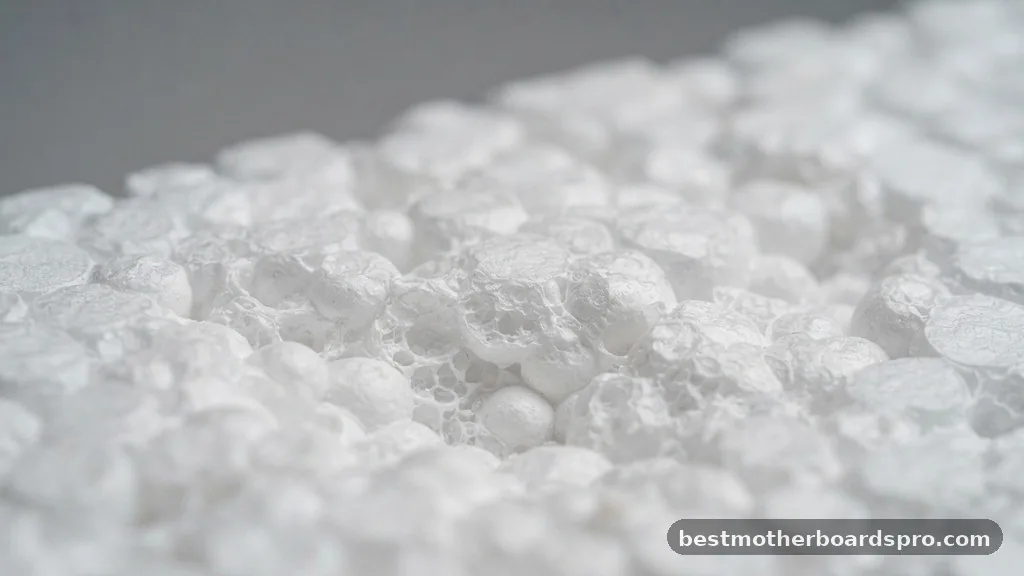
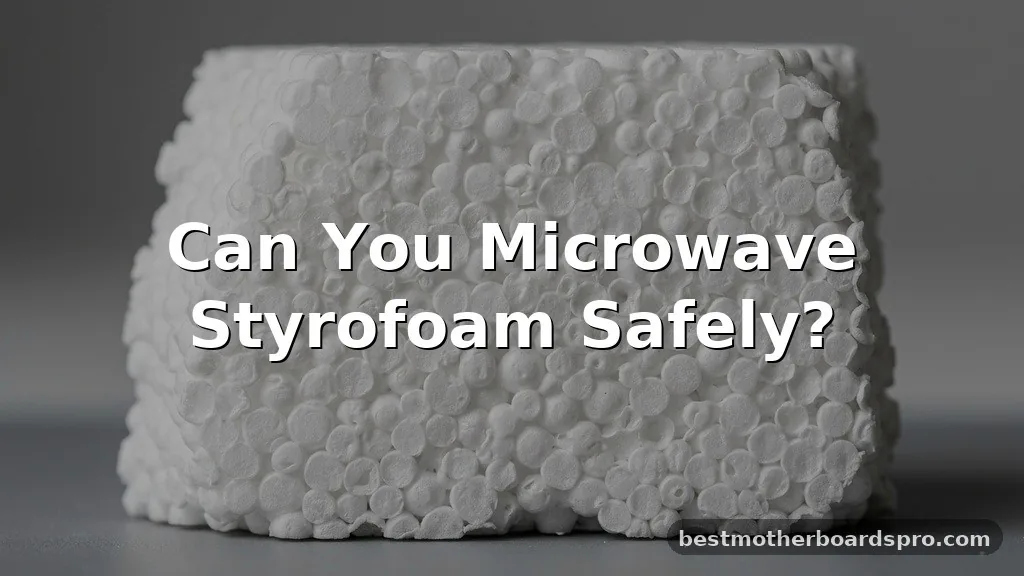
The term Styrofoam is often used as a generic name for expanded polystyrene, or EPS. While Styrofoam is technically a trademarked brand of closed-cell extruded polystyrene foam used primarily for building insulation and craft projects, most people use the word to describe the white, lightweight foam containers found in the food industry. These products are made by expanding polystyrene beads with heat, creating a material filled with air pockets that provide excellent thermal insulation.
Because of this structure, the material is incredibly effective at keeping hot food hot and cold food cold. However, the very properties that make it a great insulator do not necessarily make it a great companion for your microwave. When you expose these polymers to the intense, localized heat generated by microwave radiation, the structural integrity of the foam can change rapidly.
The Risks of Microwaving Foam Containers
When you ask yourself if you can microwave styrofoam, the primary concern revolves around the chemical composition of the plastic. Polystyrene is a synthetic aromatic polymer made from the monomer styrene.
Under normal room-temperature conditions, these containers are stable and inert. Once you introduce high heat, however, the polymer chains can begin to break down or soften.
This process is known as leaching. If the container reaches its melting point or softens significantly, there is a risk that chemical components could migrate into your food.
While the industry often distinguishes between various types of plastics, foam containers are generally not designed to withstand the high temperatures required to reheat dense or oily foods. Oily foods are particularly problematic because they can reach temperatures well above the boiling point of water, which can cause the foam to melt or warp almost instantly.
Identifying Microwave-Safe Materials
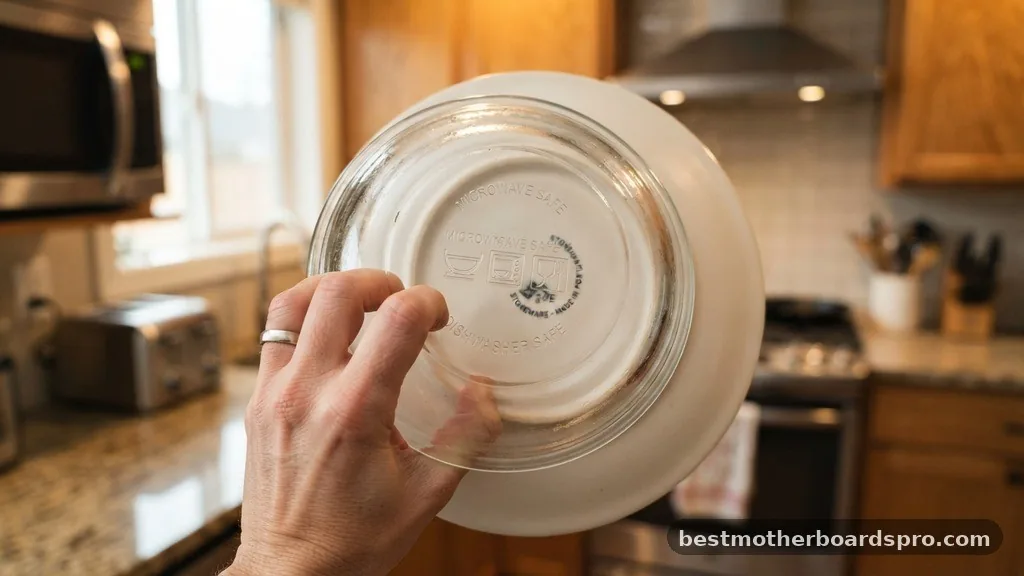
Not all food containers are created equal, and manufacturers use specific labeling to help consumers identify what is safe for use in a microwave. A container that is truly microwave-safe has been tested to ensure that it does not release harmful substances or melt during standard heating cycles. If you look at the bottom of a container, you might find a symbol that indicates its suitability for high-heat environments.
- Look for the microwave-safe icon, which usually features a box with wavy lines inside.
- Check for the resin identification code, though note that the number 6 (polystyrene) is rarely associated with microwave safety.
- If a container lacks any safety labeling, it is safer to assume it is not intended for the microwave.
- When in doubt, transfer your food to a glass or ceramic dish before heating.
If you are unsure whether your container is safe, avoid the risk entirely. A few seconds of convenience is not worth the potential ingestion of chemical residues.
Why Oily Foods Are More Dangerous
The interaction between your food and the container is just as important as the material itself. When you reheat food, the moisture content determines how the energy is absorbed.
Water-based foods like soups or vegetables generally do not exceed 212 degrees Fahrenheit (100 degrees Celsius) because the water evaporates. However, fats, oils, and sugars can get much hotter.
If you are reheating greasy takeout like fried chicken or a dish with a heavy sauce, the oil can create hot spots that exceed the temperature threshold of the foam. This leads to localized melting, where the foam appears to shrink or stick to your food.
Even if the container does not visibly melt, the heat may be sufficient to cause chemical migration. This is why many experts advise against using foam for any reheating, regardless of what the packaging claims.
| Container Type | Microwave Suitability | Heat Tolerance |
|---|---|---|
| Glass (Pyrex) | Excellent | Very High |
| Ceramic | Excellent | High |
| Expanded Polystyrene (Foam) | Poor/Not Recommended | Low |
| Microwave-Safe Plastic | Good | Moderate |
How to Safely Reheat Your Takeout
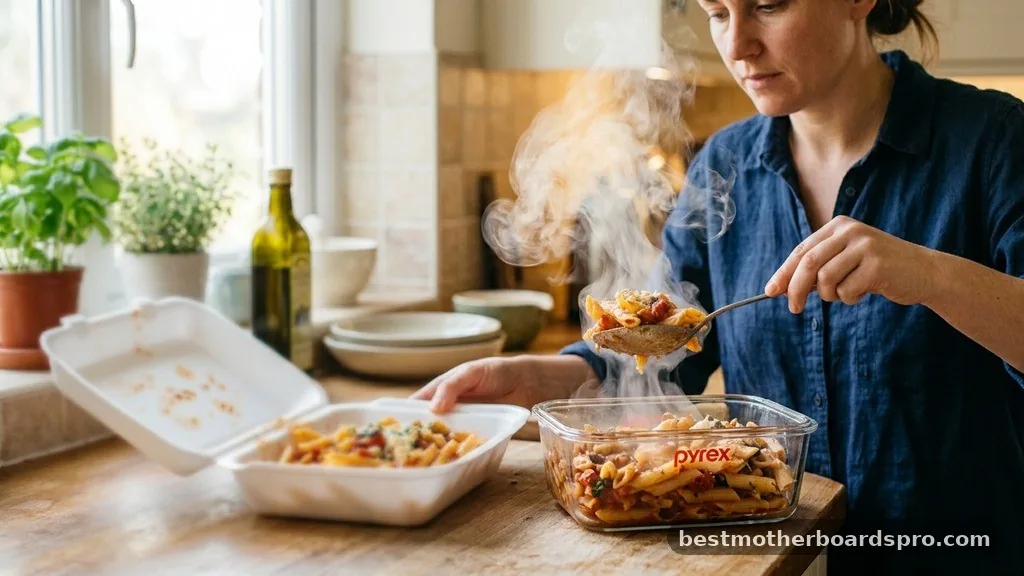
The most effective way to enjoy your leftovers is to remove them from the original packaging entirely. Transferring your meal to a microwave-safe bowl or plate is a simple habit that removes all guesswork. Glass and ceramic are the gold standard because they do not contain chemicals that can leach into your food, and they are designed to handle repeated heating cycles without warping.
If you are in a rush, you might be tempted to use the container just for a few seconds. Even short bursts can be risky if the container has structural weaknesses or if your microwave has uneven heating patterns.
Developing a routine of transferring your food not only protects your health but also ensures that your meal is heated more evenly. An even heat distribution improves the texture and flavor of your food, making for a much better dining experience than eating directly from a waxy, warped foam box.
Addressing Common Misconceptions
A common myth is that if a company uses a container for hot food, it must be safe for the microwave. This is a logical fallacy.
Restaurants choose foam because it is cost-effective and provides excellent insulation for the duration of a delivery trip. The container is designed to hold heat, not to generate it or withstand the radiation of a microwave.
Another misconception is that the “microwave-safe” label is a blanket term for all products of a certain type. In reality, testing is specific to the product design.
A manufacturer might certify a specific rigid plastic bowl as microwave-safe while their foam line remains strictly for room-temperature or cold service. Always verify the specific container you are holding rather than relying on general assumptions about the material type.
Environmental and Health Considerations
Beyond the immediate question of whether you can microwave styrofoam, there is a broader context regarding the use of polystyrene in the food service industry. Because these materials are difficult to recycle and often end up in landfills or as litter, many municipalities have moved toward banning or restricting their use. Choosing to avoid these containers when possible is not only a health-conscious decision but also an environmentally responsible one.
By opting for reusable glass or ceramic storage, you reduce your reliance on single-use packaging. This practice helps you avoid the chemicals often found in disposable food containers, such as plasticizers or residual styrene monomers. Over time, reducing your exposure to these materials is a small but meaningful step toward a more sustainable and health-conscious lifestyle.
Frequently Asked Questions
Is it ever safe to microwave styrofoam?
It is generally not recommended to microwave styrofoam. While some specific foam products are labeled as microwave-safe, most standard takeout containers are not designed for the high heat generated by microwaves. The material can melt or release chemicals into your food, particularly when heating oily or sugary substances.
What should I do if I accidentally microwaved food in a foam container?
If you accidentally heat food in a foam container, inspect the container for signs of melting or warping. If the foam has visibly changed shape or stuck to your food, discard the meal to be safe. If there is no visible damage, you likely avoided immediate harm, but avoid doing it again.
Why do restaurants use styrofoam if it isn’t microwave-safe?
Restaurants use foam containers because they are inexpensive and provide superior thermal insulation, which keeps food hot during transport. They are designed to hold prepared food, not to function as a cooking vessel. The industry prioritizes heat retention for delivery over the convenience of microwave reheating at home.
What are the best alternatives to foam containers for reheating?
Glass and ceramic are the best alternatives for reheating food. These materials are chemically inert, meaning they won’t leach substances into your meal. They are also highly durable, heat-resistant, and dishwasher-safe, making them a much healthier and more sustainable option for storing and reheating your leftovers on a daily basis.
Final Thoughts on Safe Reheating
Prioritizing your health when handling leftovers is a simple yet impactful habit. While the question of whether you can microwave styrofoam often arises from a desire for convenience, the risks associated with chemical leaching and material breakdown are clear. By moving your food to a glass or ceramic vessel before hitting the start button, you ensure that your meal remains free of potential contaminants and heats more evenly.
It is a small adjustment that takes only a few extra seconds but offers significant peace of mind. If you are ever in doubt about the safety of a container, the best course of action is always to choose a proven, heat-safe alternative. Feel free to reach out if you have more questions about kitchen safety or food storage best practices.