
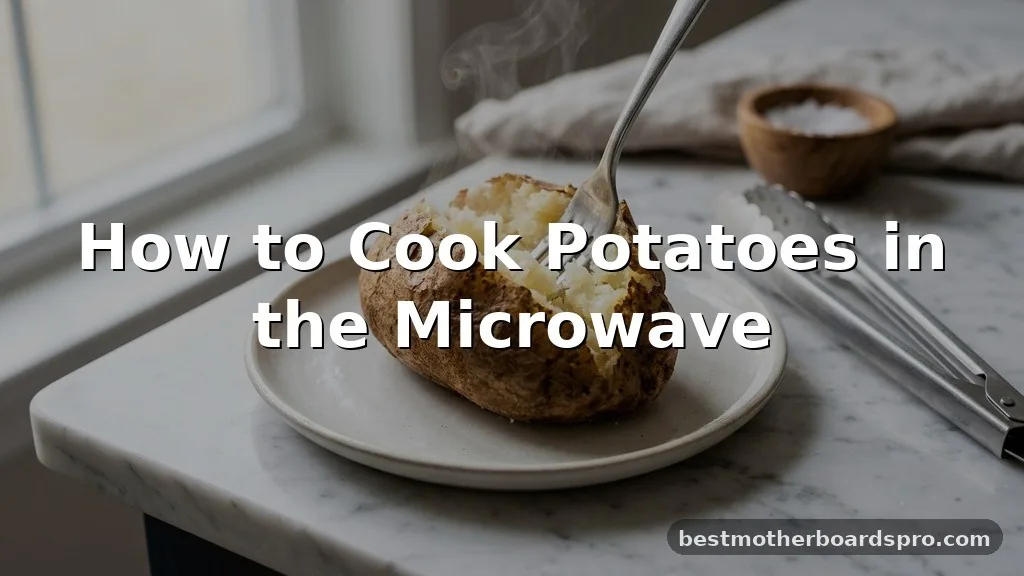
Learning how to cook potatoes in the microwave is a genuine life hack for anyone balancing a busy schedule with a craving for comfort food. While a traditional oven produces a crispier exterior, the microwave delivers a surprisingly fluffy interior in a fraction of the time.
You no longer need to wait an hour for a side dish or a quick lunch when you understand the proper technique to steam these tubers effectively. Whether you are prepping for mashing or looking for a fast way to get a baked potato on the table, mastering this appliance saves significant effort without sacrificing the quality of your meal.
The Science of Microwaving Potatoes
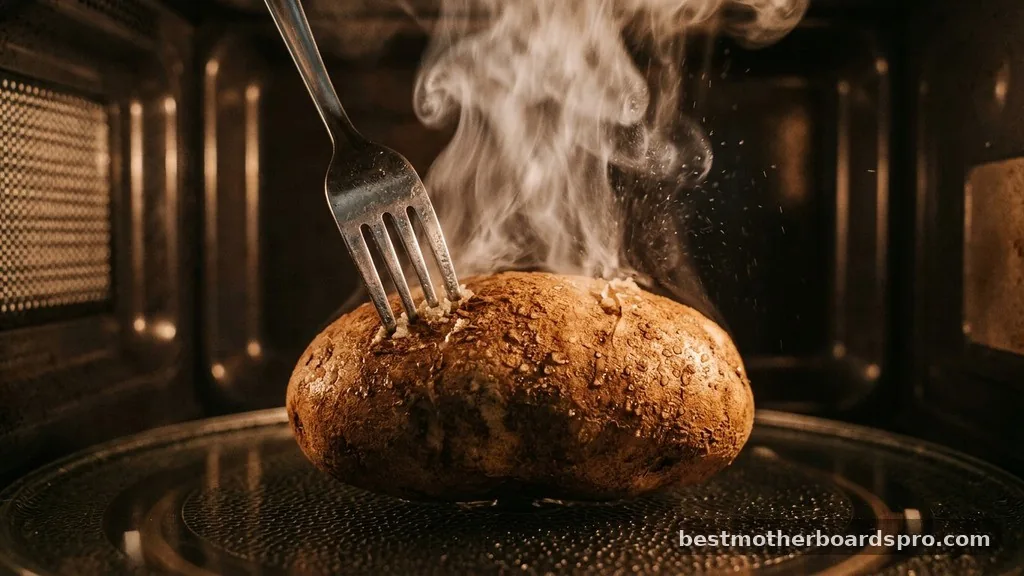
When you cook potatoes in the microwave, you are essentially steaming them from the inside out. Microwaves cause water molecules within the potato to vibrate rapidly, generating heat that softens the starch.
Unlike an oven, which uses dry heat to dehydrate the skin, a microwave keeps the moisture trapped inside. This is why the result is often softer rather than crispy.
If you struggle with uneven results, it usually comes down to moisture distribution. A raw potato has a dense cellular structure that requires consistent energy to break down. By understanding how the radiation interacts with the vegetable’s natural water content, you can achieve a consistent texture every single time you use your microwave.
Preparation Essentials Before You Start
Before placing your potato in the microwave, you must perform a few quick steps to ensure safety and quality. Never skip the step of poking holes in the potato with a fork. As the water inside turns to steam, it creates pressure; without vents, the potato can burst, leaving you with a messy cleanup.
Step-by-Step Preparation
- Wash and scrub: Remove any dirt from the skin under cold running water.
- Dry thoroughly: Pat the potato dry with a paper towel so the skin doesn’t get soggy.
- Pierce the skin: Use a fork to poke 6 to 8 deep holes around the entire surface.
- Seasoning: Rub a tiny bit of oil or salt on the skin if you want a slightly better texture.
Determining Cooking Time and Power Settings
The most common mistake people make is using too much power or guessing the time. While high power is standard, adjusting the settings can prevent the potato from becoming rubbery or hard. A medium-sized russet potato typically takes about 5 to 7 minutes to become tender.
Time Estimates Based on Quantity
| Number of Potatoes | Estimated Time (Minutes) | Power Level |
|---|---|---|
| 1 Potato | 5-6 Minutes | High (100%) |
| 2 Potatoes | 8-10 Minutes | High (100%) |
| 4 Potatoes | 14-18 Minutes | Medium-High (80%) |
When cooking multiple potatoes, it is vital to keep them spaced apart. If they are touching, they will create cold spots where the microwave energy cannot reach effectively. Always flip the potatoes halfway through the cycle to ensure the bottom and top cook evenly.
Achieving the Perfect Texture

Many people complain that microwaved potatoes lack the “baked” feel of those made in a conventional oven. To bridge this gap, focus on the finish.
Once the potato is fork-tender, remove it carefully, as the interior will be extremely hot. If you want a slightly crispier skin, you can finish the potato by placing it in a preheated oven at 400°F for about 10 minutes.
The internal temperature should reach approximately 205°F to 210°F to ensure the starches are fully converted. If you find the potato is still slightly firm in the center, microwave it in 30-second increments. It is much easier to add time than to rescue a dehydrated, overcooked potato.
Common Mistakes to Avoid
Even experienced home cooks can run into issues when using the microwave. One frequent error is wrapping the potato in plastic wrap or foil. Foil is a fire hazard in the microwave, and plastic wrap can trap too much moisture, leading to a gummy, unpleasant consistency.
Another pitfall is ignoring the size variation. A small Yukon Gold will cook significantly faster than a large, dense Russet.
Always group potatoes of similar sizes together in the microwave to ensure they finish at the same time. If you are cooking various sizes, pull the smaller ones out first as they reach tenderness.
Advanced Techniques for Better Results
If you want to elevate your microwave potato, consider the “par-cooking” method. This is where you microwave the potato for about 70% of the required time and then finish it in a hot skillet or oven. This technique gives you the best of both worlds: the speed of the microwave and the flavor profile of traditional roasting.
You can also experiment with flavor infusion. Before microwaving, you can lightly coat the skin with olive oil and sea salt.
This won’t make it crispy like a deep fryer, but it improves the mouthfeel of the skin significantly. Adding a small amount of butter or herbs immediately after slicing the hot potato allows the flavors to absorb into the fluffy interior.
Addressing Frequently Asked Questions
Can you cook raw potatoes in the microwave?
Yes, you can absolutely cook raw potatoes in the microwave. It is one of the most efficient ways to prepare them for mashing or as a quick side dish. Just ensure you pierce the skin multiple times to allow steam to escape and prevent the potato from bursting.
Do you need to add water when microwaving potatoes?
You do not need to add water to the potato itself. The vegetable contains enough natural moisture to steam internally. However, if you are cooking several potatoes at once, placing a small, microwave-safe cup of water in the corner of the turntable can help maintain a humid environment.
Should you wrap a potato in the microwave?
Avoid wrapping your potatoes in foil or plastic. Foil can cause electrical arcing, which is dangerous, and plastic wrap often results in a soggy, steamed texture. If you want a softer skin, you can use a microwave-safe paper towel to lightly cover the potato to trap minimal moisture.
What are the most common mistakes when microwaving potatoes?
The biggest mistakes include forgetting to pierce the skin, overcrowding the microwave, and failing to flip the potatoes halfway through. Also, using too high of a power setting for too long can cause the potato to dry out and become tough or even burn the center.
Final Thoughts on Microwave Cooking
Learning to prepare potatoes this way is a skill that pays off every time you are short on time but want a nutritious, satisfying food option. By focusing on consistent sizing, proper ventilation via piercing, and careful timing, you can achieve a texture that rivals traditional methods. The microwave is a tool of convenience, but when used with these simple techniques, it produces a high-quality result.
Don’t be afraid to experiment with different varieties of potatoes, from starchy Russets to creamy reds, as each reacts slightly differently to the microwave heat. Start with a single potato today and adjust your timing based on your specific appliance’s wattage, and you will soon have a reliable go-to method for your daily meals.