


Knowing whether you can microwave milk is a common kitchen query that often stems from a need for speed, whether you are prepping a quick morning coffee or a cozy cup of cocoa. The short answer is yes, you absolutely can, but there is a nuance to the process that prevents the liquid from boiling over or developing an unpleasant skin.
By understanding how electromagnetic waves interact with the proteins and fats in dairy, you can achieve the perfect temperature without ruining your beverage. This guide explores the best techniques for heating dairy effectively, ensuring you maintain the desired taste and texture every time you step into the kitchen.
Understanding the Science of Microwaving Dairy
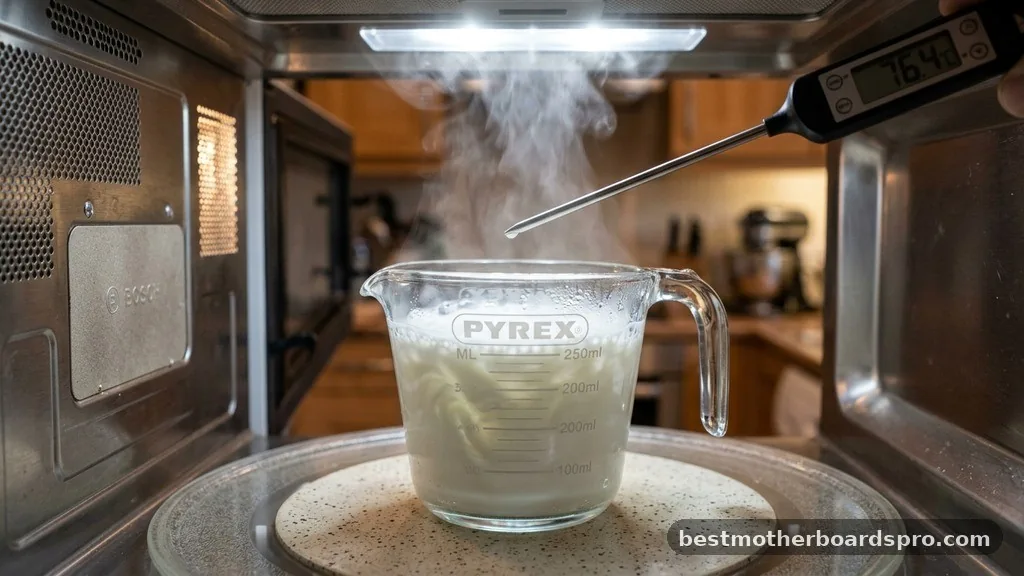
Microwaves function by vibrating water molecules, which generates heat through friction. When you place a container of dairy in the appliance, the device doesn’t heat the vessel itself; rather, it heats the liquid directly. Because milk is a complex emulsion of water, proteins, fats, and sugars, it reacts differently to intense energy than plain water does.
When the liquid reaches a high temperature, the proteins begin to denature and clump together. This process often creates a thin, rubbery layer on the surface, commonly known as a skin.
Furthermore, if you heat it for too long, the sugars can begin to caramelize or scorch, leading to a burnt flavor that ruins the entire batch. Using moderate power settings and short bursts of energy is the most reliable way to prevent these issues.
Optimal Techniques for Heating Milk
To ensure your dairy remains smooth and palatable, you should never blast it on high power for a long duration. Instead, use a “pulsing” strategy.
Start by heating the liquid in 15 to 30-second intervals, removing the container to stir thoroughly between each cycle. Stirring is essential because it redistributes the heat, preventing “hot spots” that can cause the liquid to erupt or boil over suddenly.
Choosing the Right Container
The vessel you choose matters just as much as the timing. Always use a microwave-safe mug or glass container.
Avoid plastics that are not labeled as microwave-safe, as they can leach chemicals into your drink when exposed to heat. A wider container is often better than a narrow, tall one; the increased surface area allows steam to escape more easily, which reduces the likelihood of the liquid bubbling over the sides.
| Factor | Best Practice |
|---|---|
| Power Setting | Use 50% or “Medium” power |
| Interval Length | 15-30 seconds |
| Agitation | Stir after every interval |
| Container Shape | Wide-mouthed mugs |
Why Milk Boils Over and How to Prevent It
The phenomenon where milk suddenly erupts in the microwave is known as superheating. Because the liquid is relatively smooth and lacks bubbles, it can reach a temperature slightly above its boiling point without actually boiling. Once you move the cup or insert a spoon, the sudden disturbance causes the trapped energy to release instantly, resulting in a messy boil-over.
To mitigate this, keep the temperature controlled. If you are heating a large volume, consider placing a wooden spoon or a glass stirring rod in the mug, provided it is safe to do so. This provides a nucleation point for bubbles to form, allowing the liquid to boil gently rather than waiting for a violent eruption.
Common Culinary Uses for Microwaved Dairy

Many people rely on the microwave to prepare ingredients for baking or beverages. Whether you are creating a frothy topping for a latte or preparing a base for a dessert, the microwave is a versatile tool.
- Hot Chocolate: Heating milk in the microwave is the fastest way to prepare a mug of cocoa. Simply heat the dairy until it is steaming, then whisk in your cocoa powder and sweetener.
- Coffee Additions: If you prefer your coffee with warm milk, microwaving a small amount for 20 seconds ensures your drink stays hot while adding a creamy texture.
- Oatmeal Preparation: Using warm liquid helps the oats absorb moisture faster, resulting in a creamier porridge consistency.
- Yeast Activation: If you are baking, a few seconds in the microwave can bring cold milk to the perfect “lukewarm” temperature needed to activate yeast.
Addressing Nutritional and Flavor Changes
One concern regarding microwaving is whether the process negatively impacts the nutritional profile or flavor of the dairy. Generally, short-term heating does not destroy the primary nutrients, such as calcium or protein. However, excessive heat can lead to a “cooked” flavor, which some find unpleasant.
This happens when the sulfur-containing compounds in the proteins break down. By sticking to a lower temperature—ideally around 150°F (65°C)—you preserve the fresh, neutral taste of the milk while achieving the desired warmth.
Filling the Gaps: Microwave Safety and Specific Types
While cow’s milk is the standard, many people now use plant-based alternatives like almond, soy, or oat milk. These behave differently under heat.
For instance, some almond milks may separate if heated too quickly. If you are using a plant-based alternative, always use an even lower power setting than you would for dairy.
Another gap often overlooked is the safety of the container lid. Never seal a container while heating milk, as the steam buildup can cause the vessel to crack or the lid to pop off forcefully. Always leave the container open to allow pressure to vent naturally.
Frequently Asked Questions
Is it safe to microwave milk for babies?
While you can heat milk for a baby, it is generally discouraged because microwaves create uneven hot spots. These hidden pockets of extreme heat can cause severe burns to a baby’s mouth. If you must use one, always shake the bottle vigorously and test the temperature on your wrist first.
How long should I microwave one cup of milk?
For a standard cup of cold milk, start with 45 seconds on medium power. If it is not warm enough, continue in 15-second bursts. Always stir the milk after each interval to ensure the heat is evenly distributed throughout the liquid, preventing potential boil-overs and creating a consistent temperature.
Will microwaving milk ruin its texture?
Heating milk in the microwave will not ruin the texture provided you avoid overheating. If you boil the milk, the proteins will denature, potentially creating a skin or a grainy texture. Using a medium power setting and stirring frequently will keep the texture smooth, creamy, and perfect for your needs.
Can I microwave milk in a plastic mug?
You should only microwave milk in plastic if the container is explicitly labeled as microwave-safe. Many standard plastics can warp, melt, or leach harmful chemicals like BPA into your drink when heated. When in doubt, it is always safer to use a ceramic or glass mug for heating dairy.
Final Thoughts on Safe Dairy Heating
Mastering the process of heating dairy in your kitchen is all about patience and control. By opting for lower power levels and consistent stirring, you can avoid the common pitfalls of scorching or messy boil-overs. Whether you are preparing a quick morning beverage or a base for a recipe, knowing how to properly heat your milk ensures the best flavor and texture every time.
Keep these simple techniques in mind, and you will find that your microwave is an incredibly reliable tool for your daily routine. If you have any favorite tips for achieving the perfect temperature, feel free to share your experiences with us.